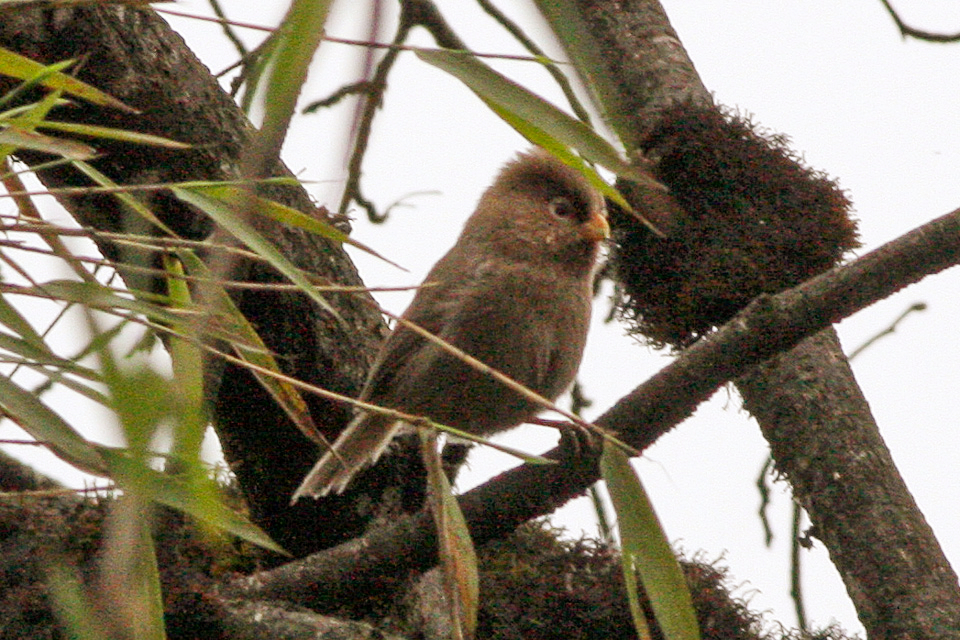
Subalpine Warbler
Sylvia cantillans
Order: Passeriformes / Family: Sylviidae

Wikimedia Commons
About the Subalpine Warbler
The Subalpine Warbler (Sylvia cantillans) is a small passerine bird that captivates birdwatchers with its vibrant plumage and intricate vocalizations. Belonging to the Sylviidae family, it is primarily found in the Mediterranean regions of Europe, including southern France, Italy, and the Iberian Peninsula. The species is most commonly associated with open, dry habitats such as scrublands and garrigue, where low shrubs provide ample cover and foraging opportunities. The Subalpine Warbler plays a vital role in its ecosystem as both predator and prey. Its diet consists mainly of insects and other small invertebrates, helping to control pest populations. In turn, it serves as a food source for larger birds of prey and mammals. Seasonally, the Subalpine Warbler exhibits fascinating behaviors. During the breeding season, which spans from late spring to early summer, males become highly territorial, singing incessantly to attract mates and ward off competitors. In autumn, these warblers embark on a long migration to their wintering grounds in sub-Saharan Africa, demonstrating remarkable endurance and navigational skills. The migration routes often take them through diverse landscapes, including woodlands and wetlands, where they must adapt to varying food resources and potential threats. Subalpine Warblers exhibit significant ecological importance as indicators of habitat health. Changes in their population numbers and distribution can signal shifts in environmental conditions, making them valuable subjects for ecological research. Their presence in traditional Mediterranean habitats underscores the need for conservation efforts aimed at preserving these unique landscapes. Overall, the Subalpine Warbler's vibrant presence and ecological contributions make it a species of significant interest to ornithologists and conservationists alike.
The Subalpine Warbler belongs to the family Sylviidae, within the order Passeriformes. These birds typically live average 4-5 years, with some individuals reaching up to 7 years..
How to Identify a Subalpine Warbler
Identifying the Subalpine Warbler involves noting several distinct field marks and differences between age groups and sexes. Adult males typically exhibit striking gray upperparts and a reddish throat and breast, providing a stark contrast that aids in identification. The belly is usually white, creating a clear division from the reddish tones. Females and juveniles, on the other hand, are more muted in coloration, with browner upperparts and a paler, less pronounced reddish tint on the throat. This sexual dimorphism can sometimes lead to confusion with similar species such as the Sardinian Warbler (Sylvia melanocephala), but the absence of the characteristic black cap in the Subalpine Warbler helps differentiate them. Subalpine Warblers often exhibit a particular flight silhouette characterized by rapid, fluttering wing beats and a somewhat erratic flight path. When perching, they maintain an upright posture, often flicking their tails, a behavior common among many warbler species. The subtleties in plumage and behavior require careful observation, particularly during migration periods when mixed-species flocks are common.
Having trouble telling birds apart? Upload a photo to our bird identification tool for an instant species match.
Subalpine Warbler Habitat and Range
Preferred Habitat
The Subalpine Warbler predominantly inhabits Mediterranean scrublands, favoring areas with dense, low-lying shrubs and garrigue vegetation. These habitats are found at elevations ranging from sea level to about 2,000 meters, though they primarily prefer lower altitudes where vegetation offers ample cover and foraging opportunities. Seasonal shifts in habitat use are evident as these warblers migrate. During the breeding season, they are typically found in rural areas with abundant scrubby vegetation. In contrast, during migration and in their wintering grounds, they may also occupy more varied habitats including woodlands and edge habitats near human settlements. While they are less commonly found in urban settings, their adaptability allows them to exploit a range of environments provided that sufficient cover and food resources are available.
Geographic Range
The Subalpine Warbler's breeding range extends across the Mediterranean basin, with significant populations in southern France, Italy, and the Iberian Peninsula. They are also found in parts of the Balkans and North Africa. During the non-breeding season, these warblers migrate to wintering grounds in sub-Saharan Africa, reaching as far south as the Sahel region. Migration corridors often include passages through Spain and the northern regions of Africa, where they may temporarily halt in suitable habitats to refuel. Population density is highest in Mediterranean countries where traditional scrubland habitats remain abundant. However, habitat fragmentation and land-use changes pose potential threats to their distribution and density.
Want to know which birds visit your area? Browse our backyard birds by location guides for region-specific species lists.
What Does the Subalpine Warbler Eat?
The Subalpine Warbler's diet primarily consists of insects and other small invertebrates, which they glean from vegetation in their scrubland habitats. Common prey items include caterpillars, beetles, and spiders, which provide essential proteins and nutrients. During the breeding season, the abundance of insects supports the increased energy demands of raising young. In the autumn and winter, when insect availability diminishes, these warblers may also consume small berries and fruits, taking advantage of seasonal food resources to maintain their energy levels. Their foraging technique involves a combination of short flights and active gleaning, often hovering momentarily to pluck prey from leaves and branches. This opportunistic feeding behavior allows them to adapt to fluctuating food availability throughout the year.
Subalpine Warbler Behavior and Social Structure
The Subalpine Warbler displays a fascinating array of behaviors that reflect its adaptability and resilience. Socially, they are generally solitary or found in pairs, particularly during the breeding season when males establish and defend territories through song and display. Territorial behavior is most pronounced in spring, with males singing from prominent perches to assert dominance and attract females. Courtship involves elaborate displays, including wing flicking and tail fanning, accompanied by varied vocalizations. During migration, Subalpine Warblers may join mixed-species flocks, benefiting from the added protection against predators and increased foraging efficiency. Their response to predators involves alarm calls and evasive flight, often retreating into dense vegetation for cover. Daily activity patterns include active foraging during the cooler morning and late afternoon hours, with periods of rest during the heat of midday.
Subalpine Warbler Nesting and Reproduction
Subalpine Warblers construct cup-shaped nests, typically hidden within dense shrubs or low trees to protect against predators. The nest is woven from grasses, twigs, and lined with softer materials like feathers and hair. Nest placement is crucial, as it must provide concealment while allowing easy access for feeding. A typical clutch consists of 3 to 5 eggs, which both parents incubate over a period of about 12 to 14 days. After hatching, the chicks remain in the nest for approximately 10 to 12 days before fledging. Both parents share in feeding and caring for the young, ensuring a high survival rate. The species generally raises one brood per year, though in optimal conditions, a second brood may be attempted.
Subalpine Warbler Sounds and Vocalizations
The song of the Subalpine Warbler is a series of rapid, scratchy notes delivered in a continuous trill. The pitch is variable, but the rhythm is generally consistent, creating a distinctive sound that resonates across their scrubland habitats. Besides their primary song, these warblers also produce sharp call notes used in communication between mates or to signal alarm. During the dawn chorus, males are particularly vocal, using their song to establish territory and attract potential mates. Comparatively, their vocalizations are less melodious than some other warblers but are rich in complexity and variation.
Interesting Facts About the Subalpine Warbler
- 1Subalpine Warblers travel over 3,000 kilometers during their migration from Europe to sub-Saharan Africa.
- 2Despite their small size, Subalpine Warblers can live up to 10 years in the wild, demonstrating remarkable resilience.
- 3Male Subalpine Warblers are known for their persistent singing, with songs lasting several minutes to attract mates.
- 4This warbler species can adapt to a range of habitats, from coastal scrub to mountainous regions up to 2,000 meters.
- 5The Subalpine Warbler's diet shifts seasonally, with a preference for insects in summer and berries in winter.
- 6Their nests are often built just above ground level, providing optimal concealment from predators.
- 7Subalpine Warblers play an important role in seed dispersal through their fruit consumption during migration.
Subalpine Warbler Conservation Status
The Subalpine Warbler is currently classified as Least Concern by the IUCN, though the species faces pressures from habitat loss due to agricultural expansion and urban development. Population trends remain relatively stable, but localized declines have occurred in areas where traditional Mediterranean habitats have been altered. Conservation efforts focus on habitat preservation and restoration, particularly in regions where scrublands are threatened. Historical data suggest that while population fluctuations have occurred, the species has maintained a broad presence across its range, underscoring the need for ongoing monitoring and conservation initiatives.