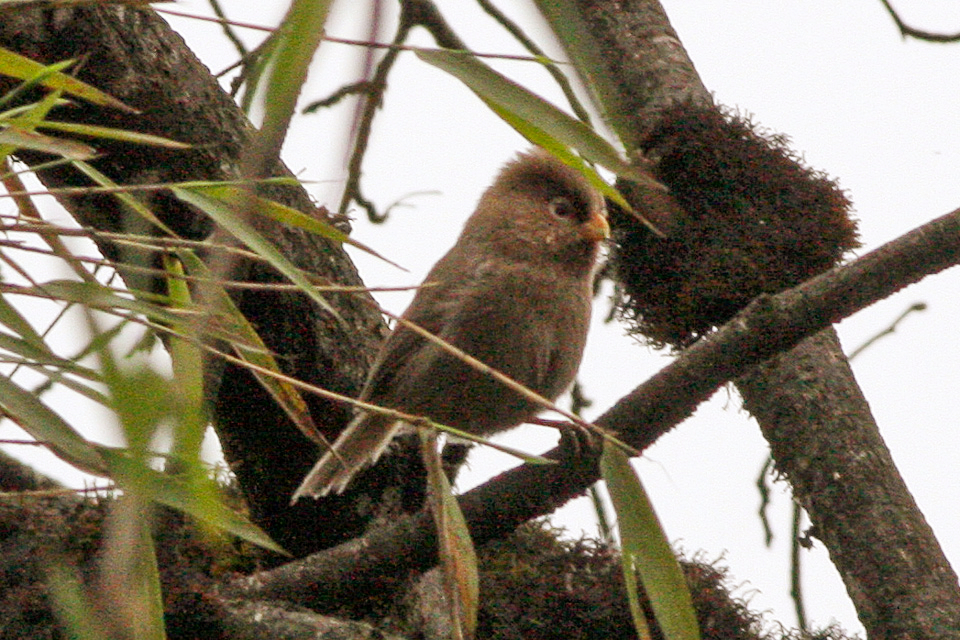
Sylvia flava
Sylvia flava
Order: Passeriformes / Family: Sylviidae

Wikimedia Commons
About the Sylvia flava
The Sylvia flava, commonly known as the Yellow Warbler, is a captivating member of the Sylviidae family, renowned for its vivid yellow plumage and melodious songs. This small passerine bird, often encountered in diverse habitats, plays a crucial role in the ecosystem as both a pollinator and an insectivore. Its presence is particularly notable in deciduous forests, scrublands, and riparian zones across Europe and Asia. During the breeding season, the Yellow Warbler is a vital component of temperate ecosystems, aiding in the control of insect populations, which is essential for maintaining the health of its habitats. The Sylvia flava is a migratory bird, traveling between breeding and wintering grounds, showcasing its adaptability to varying climates and environments. In the spring and summer, it inhabits temperate regions, while in autumn, it embarks on a journey to warmer locales, highlighting its resilience and endurance. As it migrates, the Yellow Warbler contributes to the dispersal of plant seeds, thus supporting plant diversity and ecosystem stability across its range. The Sylvia flava's presence is not only a visual and auditory delight but also a marker of ecological integrity. Its decline or absence can signal environmental changes, making it a valuable indicator species for conservationists and ecologists. The bird's ability to adapt to urban environments further underscores its ecological importance, as it helps control urban insect populations. Observing the Sylvia flava offers a glimpse into the intricate balance of nature, where each species, no matter how small, plays a significant role in the tapestry of life.
The Sylvia flava belongs to the family Sylviidae, within the order Passeriformes. These birds typically live average 2-4 years with max recorded 5 years.
How to Identify a Sylvia flava
Identifying the Sylvia flava, or Yellow Warbler, involves noting its distinctive bright yellow plumage, which is most pronounced in adult males. Their underparts are a vibrant yellow, while the upperparts often display a more olive tone. Males may exhibit faint orange streaking on the breast. Adult females and juveniles are somewhat duller, with females showcasing a paler yellow and more subdued streaking. Juveniles resemble females but are even less vibrant, lacking the orange hues entirely. In the field, the Yellow Warbler can be confused with other similar warblers, such as the Willow Warbler or the Wood Warbler. However, its uniform yellow underparts and lack of prominent wing bars help distinguish it from these species. The flight silhouette of the Sylvia flava is characterized by rapid wingbeats and a slightly undulating motion, allowing for easy identification even at a distance. When perching, it often adopts an upright posture, frequently seen flicking its tail. Its song, a rapid series of sweet, melodic notes, is another key identifying feature, often heard before the bird is seen.
Having trouble telling birds apart? Upload a photo to our bird identification tool for an instant species match.
Sylvia flava Habitat and Range
Preferred Habitat
Sylvia flava thrives in a variety of habitats, favoring open woodlands, dense scrub, and riparian areas. It is commonly found in deciduous and mixed forests, particularly near water sources such as streams and rivers. These areas provide abundant insect prey and suitable nesting sites. During the breeding season, it prefers lower to mid-elevation zones, generally below 1,500 meters. In the non-breeding season, the Yellow Warbler may inhabit more open areas, including gardens and parks, demonstrating its adaptability. Although primarily a rural species, it can be found in urban green spaces, especially those with dense understory vegetation. Seasonal habitat shifts are common, with birds moving to more sheltered areas during migration and wintering periods.
Geographic Range
The Sylvia flava's breeding range spans across much of Europe and parts of western Asia. It is predominantly found in countries such as the United Kingdom, France, Germany, and into the temperate regions of Russia. During the winter, it migrates to southern Europe, North Africa, and parts of the Middle East. Key migration corridors include the Mediterranean Basin, where birds rest and refuel. Population density is highest in mixed woodlands and areas with abundant water sources during the breeding season. In winter, the Yellow Warbler frequents coastal regions and sheltered inland areas, often gathering in mixed-species flocks.
Want to know which birds visit your area? Browse our backyard birds by location guides for region-specific species lists.
What Does the Sylvia flava Eat?
The primary diet of Sylvia flava consists of insects, making it an effective natural pest controller. During the breeding season, it consumes a variety of insects and their larvae, including caterpillars, beetles, and spiders. This insectivorous diet is vital for feeding its young, providing the necessary protein for growth. In the autumn and winter months, its diet diversifies to include more plant material, such as berries and seeds. This seasonal switch helps the bird cope with the reduced availability of insects in colder months. The Yellow Warbler employs a technique known as 'gleaning,' where it skillfully picks insects off leaves and branches. It may also engage in aerial hawking, catching flying insects mid-air. Feeding is typically most active in the early morning and late afternoon, when insect activity peaks.
Sylvia flava Behavior and Social Structure
The Sylvia flava is known for its lively and social behavior. During the breeding season, males establish and defend territories through song and displays. The courtship involves a series of elaborate displays, including wing flutters and tail fanning, to attract females. Once paired, the Yellow Warbler becomes more territorial, chasing away intruders with vigorous chases. Outside the breeding season, it is less territorial and may join mixed-species flocks. These flocks provide safety in numbers and increased foraging efficiency. The Yellow Warbler exhibits a daily pattern of activity, with feeding peaks in the morning and late afternoon. It remains alert to predators, using alarm calls to warn conspecifics of danger. Its flight is agile and swift, enabling quick escapes from potential threats.
Sylvia flava Nesting and Reproduction
The Sylvia flava constructs a delicate cup-shaped nest, expertly woven from grass, twigs, and plant fibers, often lined with softer materials such as feathers or wool. Nests are typically located in dense shrubs or low trees, providing concealment from predators. The clutch size ranges from 3 to 5 eggs, with both parents sharing incubation duties over a period of 11 to 13 days. Once hatched, the chicks are altricial, requiring intensive care and feeding from both parents. Fledging occurs around 10 to 12 days post-hatching, after which the young remain dependent on parents for additional food and protection. The Yellow Warbler often raises two broods per season, taking advantage of abundant summer resources.
Sylvia flava Sounds and Vocalizations
The Sylvia flava's song is a rapid, sweet series of melodious notes, often described as 'sweet-sweet-sweet, I'm so sweet.' This song serves both to establish territory and attract a mate. Its call notes are sharp and distinctive, often a quick 'chip' sound used to maintain contact between mates or signal mild alarm. Alarm calls are more intense, a harsh 'chit-chit-chit,' used when predators are nearby. During the dawn chorus, the Yellow Warbler's song is particularly vibrant, competing with the songs of other early risers. Its song is an essential tool for communication and plays a critical role in its social structure.
Interesting Facts About the Sylvia flava
- 1The Sylvia flava can travel over 2,500 kilometers during its migratory journey between breeding and wintering grounds.
- 2Despite its name, the Yellow Warbler actually belongs to the Sylviidae family, not the Parulidae, which contains New World warblers.
- 3Sylvia flava's nests are often parasitized by cuckoos, forcing the warblers to raise cuckoo chicks instead of their own.
- 4Yellow Warblers have been observed using spider silk to reinforce their nests, enhancing durability.
- 5The Sylvia flava's song is used by birders as a reliable indicator of spring, marking the arrival of warmer months.
- 6During migration, the Yellow Warbler can fly at speeds up to 30 kilometers per hour, demonstrating remarkable endurance.
- 7Sylvia flava is known to engage in 'anting,' a behavior where it uses ants to remove parasites from its plumage.
Sylvia flava Conservation Status
The IUCN currently lists the Sylvia flava as of Least Concern, with stable population trends across most of its range. However, habitat loss due to agriculture and urbanization poses a threat to certain populations. Conservation efforts focus on preserving key habitats, particularly breeding and wintering grounds. Historically, the Yellow Warbler has shown resilience to moderate changes in its environment, but ongoing monitoring is essential to ensure its continued survival. Conservationists advocate for maintaining natural habitats and creating urban green spaces to support its population.