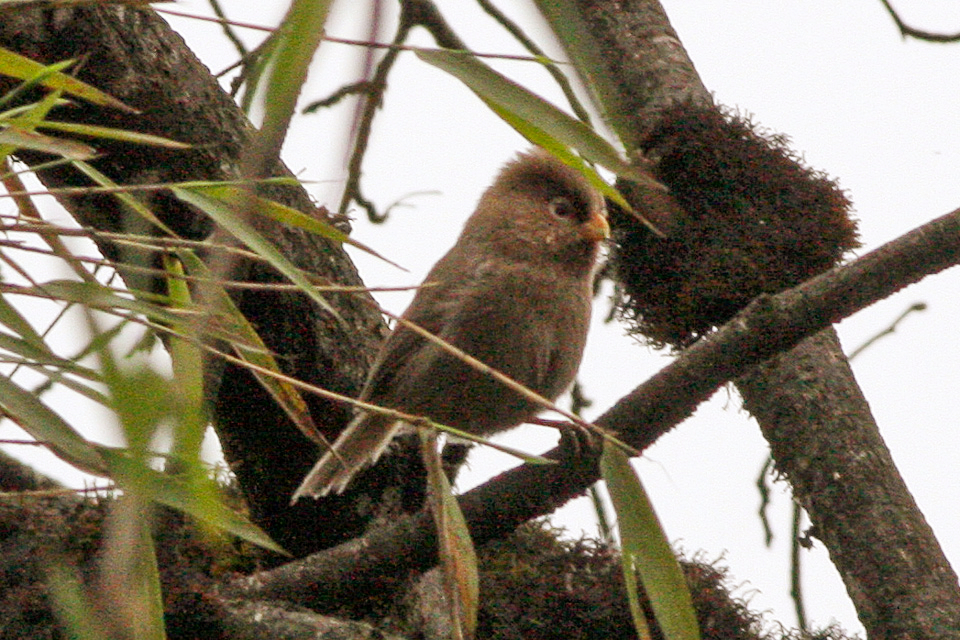
Sylvia leucophoea
Sylvia leucophoea
Order: Passeriformes / Family: Sylviidae
About the Sylvia leucophoea
Sylvia leucophoea, commonly referred to as the gray-white warbler, is a small passerine bird belonging to the family Sylviidae. This species is particularly notable for its adaptability across diverse environments, ranging from the temperate scrublands of southern Europe to the open woodlands of northern Africa. The gray-white warbler plays a crucial role in its ecosystem as both a predator of insects and a prey species for larger birds. Its presence often indicates a healthy, balanced environment. In regions such as the Iberian Peninsula, the Sylvia leucophoea thrives in dry, open areas with scattered trees and bushes. It often coexists with other Sylviidae members, contributing to the rich biodiversity of these habitats. This bird is migratory, with distinct seasonal behavior patterns. During the breeding season, typically from April to July, Sylvia leucophoea showcases increased territorial activity, often seen defending its nesting area vigorously. Outside of the breeding season, it becomes more sociable, forming small flocks that forage together. This bird's ecological role extends beyond its immediate environment. By controlling insect populations, Sylvia leucophoea indirectly supports agricultural productivity in rural areas. Its migratory patterns also aid in the cross-pollination of various plant species, enhancing genetic diversity across regions. As an insectivore, it helps maintain a balance in the ecosystem, preventing any one species from becoming overly dominant. In the winter months, Sylvia leucophoea migrates to warmer climates, often found in northern Africa and occasionally venturing into the Middle East. This seasonal movement is crucial for its survival, as it seeks out regions where food remains abundant despite the colder temperatures. These migrations not only allow for the replenishment of resources but also facilitate genetic exchange between populations. During migration, the gray-white warbler is known to utilize several key stopover sites, which provide crucial rest and refueling opportunities. The importance of these sites cannot be overstated, as they ensure the birds maintain sufficient energy reserves to complete their journeys. Overall, Sylvia leucophoea is a testament to the intricate connections within ecosystems, underscoring the importance of habitat conservation efforts to maintain biodiversity and ecological health.
The Sylvia leucophoea belongs to the family Sylviidae, within the order Passeriformes. These birds typically live Unknown due to limited data..
How to Identify a Sylvia leucophoea
The gray-white warbler possesses a striking plumage that aids in its identification. Adult Sylvia leucophoea are predominantly gray on the upperparts, with a contrasting white underside that extends from the throat to the belly. This stark contrast is a key field mark when observing these birds in the wild. Juveniles exhibit a slightly duller coloration, with a more muted gray and less distinct white underside, which can lead to confusion with other species, notably the Sardinian warbler. In terms of sexual dimorphism, males and females appear quite similar, though males may display slightly more vivid coloring during the breeding season. This subtle difference often requires a keen eye to discern in the field. The perching posture of Sylvia leucophoea is another characteristic feature. When perched, it often adopts a horizontal stance with its tail slightly cocked, a behavior that can aid in distinguishing it from similar species. In flight, the gray-white warbler presents a compact silhouette with rapid wingbeats, typical of many small passerines. Observers should note the rounded wings and slightly elongated tail, which are consistent features of this species. Despite their small size, these birds are agile flyers, capable of quick maneuvers through dense foliage. The gray-white warbler's vocalizations also provide a useful identification tool. Its song consists of a rapid series of whistles and trills, often delivered from a prominent perch. These songs are especially prevalent during the breeding season, serving both to attract mates and to assert territorial boundaries.
Having trouble telling birds apart? Upload a photo to our bird identification tool for an instant species match.
Sylvia leucophoea Habitat and Range
Preferred Habitat
Sylvia leucophoea primarily inhabits open woodlands, scrublands, and dry forests. These environments provide ample food resources and suitable nesting sites. In southern Europe, the gray-white warbler is frequently found in Mediterranean scrub, where the mix of shrubs and small trees offers cover and foraging opportunities. During the breeding season, it prefers areas with dense vegetation that allow for effective concealment of nests. Elevation-wise, Sylvia leucophoea typically resides at altitudes ranging from sea level to approximately 1,500 meters. This range allows it to exploit a variety of habitats and potentially avoid competition with other species. In urban settings, the gray-white warbler occasionally ventures into parks and gardens, particularly when natural habitats are scarce. However, it tends to avoid heavily urbanized areas, where predation risk and human disturbance are higher. Seasonal shifts in habitat preference are apparent as Sylvia leucophoea migrates. During winter, it seeks out regions in northern Africa with a stable supply of insects and milder temperatures. These locations often include coastal areas and riverine forests, which provide a reliable food source and shelter from harsh weather conditions.
Geographic Range
The breeding range of Sylvia leucophoea encompasses much of southern Europe, from the Iberian Peninsula through Italy and into the Balkans. It is especially prevalent in Spain and Portugal, where suitable habitats are widespread. The species has a patchy distribution, with population densities highest in areas where open woodlands and scrublands dominate. During migration, Sylvia leucophoea travels southwards to its wintering grounds. These are primarily located in northern Africa, with notable concentrations in Morocco, Algeria, and Tunisia. The migration corridors used by this bird are well-established, generally following the western Mediterranean route. This path allows Sylvia leucophoea to utilize key stopover sites in southern Spain and along the northern African coast. The presence of these sites is crucial for the birds' survival, providing necessary rest and foraging opportunities. While some birds may occasionally venture further east into the Middle East during winter, these instances are less common and typically involve small numbers. The gray-white warbler's range highlights its adaptability to different climates and habitats, although it remains largely absent from regions with extreme temperatures or high altitudes. Its distribution is influenced by the availability of food and suitable breeding sites, both of which are crucial for maintaining healthy populations.
Want to know which birds visit your area? Browse our backyard birds by location guides for region-specific species lists.
What Does the Sylvia leucophoea Eat?
Sylvia leucophoea primarily feeds on insects, which comprise the bulk of its diet during the breeding season. This insectivorous diet includes a variety of prey, such as beetles, caterpillars, and spiders, which the bird actively seeks out among foliage. Its foraging technique involves a combination of gleaning from leaves and branches and flycatching, where it snatches insects mid-air with impressive agility. During the spring and summer months, the gray-white warbler's diet remains heavily focused on these protein-rich sources, which are essential for the energy demands of breeding and raising young. As the seasons change and it migrates to its wintering grounds, Sylvia leucophoea's diet becomes more varied. In addition to insects, the bird may consume small fruits and berries, particularly when insect availability declines. This dietary shift is crucial for maintaining energy levels during the non-breeding season. Prey size typically ranges from small to medium, with the bird showing a preference for easily manageable prey that it can quickly subdue and consume. The gray-white warbler's feeding schedule is primarily diurnal, with peak activity occurring during the early morning and late afternoon. During these times, it is often seen actively foraging, capitalizing on the cooler temperatures and abundant insect activity.
Sylvia leucophoea Behavior and Social Structure
Sylvia leucophoea exhibits a range of fascinating behaviors, reflecting its adaptability and social structure. During the breeding season, the gray-white warbler is highly territorial. Males establish and defend territories through song and visual displays, often engaging in aerial chases to deter intruders. Courtship involves the male performing a series of displays, including wing and tail flicking, to attract a mate. Once paired, the birds exhibit strong monogamous bonds throughout the breeding season. Outside of the breeding season, Sylvia leucophoea becomes more sociable, often forming small flocks that forage together. These flocks typically consist of family groups or loose associations with other warbler species, allowing for cooperative foraging and increased predator vigilance. The gray-white warbler displays a keen awareness of its surroundings, responding to predators with alarm calls and evasive maneuvers. It relies on its agility and knowledge of the terrain to escape threats, often retreating into dense vegetation. Daily activity patterns are influenced by environmental conditions, with the bird most active during cooler parts of the day. During migration, Sylvia leucophoea demonstrates remarkable endurance, capable of long flights between stopover sites. This period is characterized by an increased focus on feeding to build energy reserves for the journey.
Sylvia leucophoea Nesting and Reproduction
The gray-white warbler constructs a cup-shaped nest, carefully crafted from grass, twigs, and other plant materials. It often lines the interior with softer materials such as feathers or hair, providing insulation and comfort for the eggs and chicks. Nest placement is typically low to the ground, concealed within dense shrubbery or low trees, which offers protection from predators. Sylvia leucophoea favors locations that provide both cover and a clear vantage point for monitoring the surrounding area. The clutch size generally ranges from 3 to 5 eggs, with incubation lasting approximately 12 to 14 days. Both parents share incubation duties, although the female may take on a slightly larger role. Following hatching, the chicks remain in the nest for about 10 to 12 days until they fledge. During this period, both parents are actively involved in feeding and caring for the young, ensuring they receive a diet rich in insects crucial for growth. Sylvia leucophoea typically raises one brood per year, although in areas with longer breeding seasons, a second brood is possible. Parental roles are well-defined, with both adults participating in feeding and protection, yet the male often assumes more of a territorial defense role. This division of labor is crucial for the successful rearing of the young.
Sylvia leucophoea Sounds and Vocalizations
The song of Sylvia leucophoea is a clear, melodious sequence of whistles and trills. It often features a rapid pace, with a series of short notes followed by a longer, sustained trill. This song serves multiple purposes, including mate attraction and territory establishment. Call notes are sharper and more abrupt, often used in communication between individuals. Alarm calls differ in intensity and urgency, providing a warning to both mates and other nearby birds of potential threats. During the dawn chorus, the gray-white warbler contributes with its distinctive song, adding to the rich tapestry of sounds that herald the new day. Its vocalizations bear some resemblance to those of the blackcap, but with a higher-pitched and more rapid delivery.
Interesting Facts About the Sylvia leucophoea
- 1Sylvia leucophoea can undertake migrations spanning over 2,000 kilometers, a testament to its endurance.
- 2The gray-white warbler can consume up to 50% of its body weight in insects daily during peak breeding times.
- 3This species can be identified by its unique song, which is faster and higher-pitched than many of its relatives.
- 4Sylvia leucophoea often uses the same nesting sites year after year, demonstrating strong site fidelity.
- 5Despite their small size, gray-white warblers can live up to 10 years in the wild under favorable conditions.
- 6During migration, Sylvia leucophoea relies on key stopover sites to rest and refuel, underscoring the importance of these habitats.
- 7The gray-white warbler's diet shifts seasonally, showcasing its adaptability in varying environmental conditions.
Sylvia leucophoea Conservation Status
Sylvia leucophoea is currently classified as Least Concern by the IUCN, reflecting a relatively stable population across its range. However, certain localized threats could impact its numbers if left unaddressed. Habitat loss due to agricultural expansion and urbanization remains a significant concern, as does the use of pesticides that reduce insect populations. Conservation efforts primarily focus on habitat preservation, with initiatives aimed at maintaining and restoring suitable breeding and wintering areas. Historical population trends suggest that while Sylvia leucophoea has experienced fluctuations, it has largely maintained resilience. Continued monitoring is essential to ensure that populations remain stable, particularly in regions where habitat changes are most pronounced.