
Wood Stork
Mycteria americana
Order: Ciconiiformes / Family: Ciconiidae

Wikimedia Commons
About the Wood Stork
The Wood Stork, Mycteria americana, is a large wading bird found primarily in the southeastern United States, Central America, and parts of South America. Renowned for its striking appearance, the Wood Stork features a bald head, long neck, and a robust, slightly curved bill. Adults are primarily white with black flight feathers, making them easy to spot against the lush green backdrops of their preferred habitats. Historically, this species was abundant across its range, but habitat loss has led to a significant decline in its numbers. Wood Storks play a crucial ecological role as both predators and prey within their ecosystems. They control fish populations, providing balance to the aquatic food web. In turn, they serve as prey for larger predators such as alligators and birds of prey. The Wood Stork's presence indicates healthy wetland ecosystems, as they require specific conditions to forage and nest successfully. Wood Storks are highly social and often seen in large flocks, especially during the breeding season. They prefer flooded cypress domes, marshes, and mangroves, where they build their nests in colonies. These birds engage in cooperative breeding, with multiple pairs nesting in close proximity to deter predators. During the breeding season, Wood Storks perform elaborate courtship displays, which involve synchronized flights and bill clattering. Seasonal behaviors of the Wood Stork include migrations prompted by changes in water levels and food availability. In the southeastern United States, they typically breed during the dry season from December to March. As water levels drop, fish become concentrated in smaller pools, making them easier for the storks to catch. After the breeding season, they disperse to follow food resources, often moving southwards as winter approaches. The species is highly adaptable, capable of utilizing both natural and man-made wetlands. However, they remain vulnerable to habitat alterations, particularly those that affect wetland hydrology.
The Wood Stork belongs to the family Ciconiidae, within the order Ciconiiformes. These birds typically live average lifespan is 11-18 years, with a maximum recorded of 27 years..
How to Identify a Wood Stork
The adult Wood Stork stands out due to its bald, dark gray head and long, decurved bill. Its body is predominantly white, with contrasting black primary and secondary feathers visible during flight. These flight feathers give the bird a striking black-and-white appearance, easily distinguishable from other waders. The legs are long and dark, ending in large, webbed toes adapted for walking in muddy substrates. Juvenile Wood Storks differ slightly from adults with their paler heads and necks, often displaying a wash of gray or brown. As they mature, the head gradually loses feathers, taking on the characteristic bald look. Male and female Wood Storks are similar in appearance, although males are slightly larger. In flight, the Wood Stork's wingspan can reach up to 5.5 feet, with a deliberate and steady wingbeat pattern. The silhouette is distinct, with a large body, long neck extended forward, and trailing legs. When perched, Wood Storks often stand on one leg, tucking the other against their body, a typical posture among storks and herons. Confusion may arise with other large waders like herons and egrets, but the Wood Stork's unique head and bill shape, combined with its stark plumage contrast, provide reliable identification markers.
Having trouble telling birds apart? Upload a photo to our bird identification tool for an instant species match.
Wood Stork Habitat and Range
Preferred Habitat
Wood Storks favor wetland habitats, including freshwater and brackish environments. They thrive in cypress swamps, marshes, and mangroves. These areas provide the necessary conditions for foraging and nesting. The species readily adapts to both coastal and inland wetlands, demonstrating flexibility in habitat selection. During the breeding season, Wood Storks require areas with stable water levels to ensure food availability for their young. They often nest in flooded cypress domes or mangroves, where the water acts as a barrier against terrestrial predators. Habitat shifts occur seasonally, with Wood Storks moving to follow food resources. In urban settings, they have been known to utilize constructed wetlands and drainage areas, provided these sites maintain water and prey. Elevation is generally low, as these birds are associated with flat, water-rich landscapes.
Geographic Range
Wood Storks primarily breed in the southeastern United States, notably in Florida, Georgia, and South Carolina. They extend their range into Central and South America, with populations found in Mexico, Central America, and northern Argentina. During the non-breeding season, Wood Storks may migrate to South Florida, the Caribbean, and Central America, depending on food availability. The migration corridors often follow coastlines and major river systems, offering consistent wetland stopovers. Within the U.S., the highest population densities occur in Florida's Everglades and Big Cypress National Preserve. The species can occasionally be found in Texas and Louisiana, reflecting its ability to adapt to diverse wetland regions. Despite these broad ranges, Wood Stork populations are patchy, concentrating around high-quality wetland ecosystems.
Want to know which birds visit your area? Browse our backyard birds by location guides for region-specific species lists.
What Does the Wood Stork Eat?
The diet of the Wood Stork primarily consists of fish, which it hunts using a tactile foraging technique. Wading slowly through shallow waters, the stork keeps its bill submerged and snaps it shut when prey makes contact. Their diet includes small to medium-sized fish, typically measuring between 1 to 6 inches in length. Secondary food items include crustaceans, amphibians, and insects, which supplement their diet, especially when fish are scarce. Seasonal changes in diet correspond with water levels and prey availability. During the dry season, when fish become concentrated, Wood Storks can feed with greater efficiency. Foraging often occurs in the early morning and late afternoon, aligning with periods of increased prey activity. The Wood Stork's feeding strategy underscores its reliance on specific wetland conditions, making it a sensitive indicator of ecosystem health.
Wood Stork Behavior and Social Structure
Wood Storks exhibit a highly social structure, gathering in large, noisy colonies during the breeding season. These colonies, often containing hundreds of individuals, offer protection through numbers. Within these groups, birds engage in complex courtship displays, including synchronized flights and bill clattering. Territorial behavior is evident during nesting, with pairs defending their immediate nesting area against intruders. Outside the breeding season, Wood Storks form loose flocks that travel together, often seen soaring on thermals. Their response to predators includes mobbing behavior, where multiple storks will chase away potential threats like raccoons or birds of prey. Daily activity patterns are diurnal, with peak activity observed during cooler parts of the day. This schedule allows them to conserve energy while maximizing feeding efficiency.
Wood Stork Nesting and Reproduction
Wood Storks build large, bulky nests made from sticks and lined with softer vegetation. These nests are typically located high in trees within flooded wetlands, providing safety from ground predators. Wood Storks prefer nesting in cypress trees or mangroves, which offer sturdy branches and proximity to foraging sites. A typical clutch consists of two to five eggs, which both parents incubate for about 28 to 32 days. After hatching, the young remain in the nest for up to 60 days, dependent on parental care. Both parents participate equally in feeding and protecting the chicks. In a favorable season with abundant food, Wood Storks may raise a single brood. The high investment in each offspring reflects the challenging conditions of their environment.
Wood Stork Sounds and Vocalizations
The Wood Stork is relatively silent compared to many birds. Its primary vocalization during the breeding season is a low, croaking call, often described as resembling the sound of a large, distant frog. Alarm calls are louder and harsher, used to signal potential threats to the colony. During courtship, pairs may engage in bill clattering, a non-vocal sound that involves snapping their bills together rapidly. Unlike many birds, the Wood Stork lacks a song, relying on these calls and non-vocal displays for communication. The dawn chorus of a Wood Stork colony is subdued, consisting primarily of quiet croaks and bill snaps.
Interesting Facts About the Wood Stork
- 1The Wood Stork can sense prey through its bill, snapping it shut in just 25 milliseconds.
- 2Wood Storks are the only stork species that breeds in the United States.
- 3A Wood Stork nest can measure up to 3 feet across, holding up to five chicks.
- 4Despite their size, Wood Storks are graceful fliers, often seen soaring with vultures on thermals.
- 5Wood Stork populations serve as indicators of wetland health, reflecting changes in ecosystem conditions.
- 6They can travel over 50 miles in a day to find suitable foraging grounds.
- 7The Wood Stork's bill is uniquely adapted for tactile hunting, unlike other storks that rely on sight.
Wood Stork Conservation Status
Currently, the IUCN lists the Wood Stork as a species of Least Concern. However, it has faced significant population declines due to habitat loss. Deforestation, wetland drainage, and climate change pose ongoing threats. Conservation efforts focus on preserving and restoring wetland habitats. In the U.S., the Wood Stork was previously listed as endangered, but successful conservation initiatives have led to its status being upgraded to threatened. These efforts include protecting breeding sites and managing water levels in critical habitats. Historical fluctuations in population highlight the species' sensitivity to environmental changes.
Other Ciconiidae Species


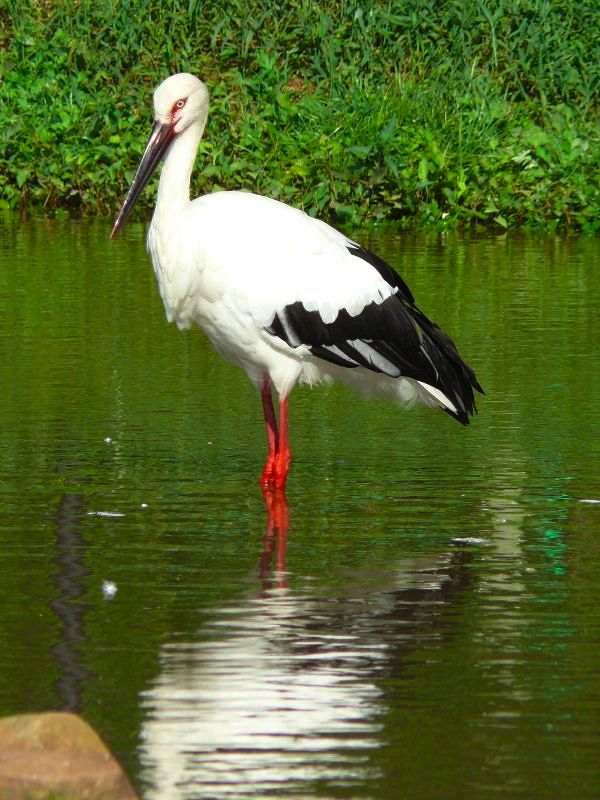
Birds Similar to the Wood Stork
These species are often confused with the Wood Stork due to similar appearance or overlapping range.


