
Black-breasted Barbet
Pogonornis rolleti
Order: Piciformes / Family: Lybiidae

Wikimedia Commons
About the Black-breasted Barbet
The Black-breasted Barbet (Pogonornis rolleti) is a captivating bird found primarily in the tropical regions of Central Africa. This species plays a significant ecological role in its habitat, particularly in the dense forests and woodlands where it resides. Known for its striking coloration and distinctive call, the Black-breasted Barbet contributes to its ecosystem by participating in seed dispersal and controlling insect populations. Its vibrant plumage not only attracts birdwatchers but also serves as a key trait in its social interactions and mating rituals. Throughout its range, the Black-breasted Barbet is a vital component of the ecological web, engaging in symbiotic relationships with various plant species, particularly those that produce fruits. The presence of these barbets often indicates a healthy and biodiverse environment. Seasonal behaviors of the Black-breasted Barbet include shifts in foraging patterns and social structures. During the breeding season, which typically occurs between the rainy periods, these birds are more territorial and can be observed actively defending their chosen nesting sites. Outside of the breeding season, they tend to be more social, sometimes forming small flocks. This seasonal change in behavior highlights the bird's adaptability and its ability to thrive in varying environmental conditions. The Black-breasted Barbet's role extends beyond its immediate environment as it also influences the dynamics of predator-prey interactions in its habitat. Its presence can deter smaller predators, and its vocalizations serve as an alert system for other species. As a result, the Black-breasted Barbet is both a vibrant and vital component of its ecosystem, contributing to the structural and functional diversity of its habitat.
The Black-breasted Barbet belongs to the family Lybiidae, within the order Piciformes. These birds typically live typically 6-8 years, with some individuals living up to 10 years..
How to Identify a Black-breasted Barbet
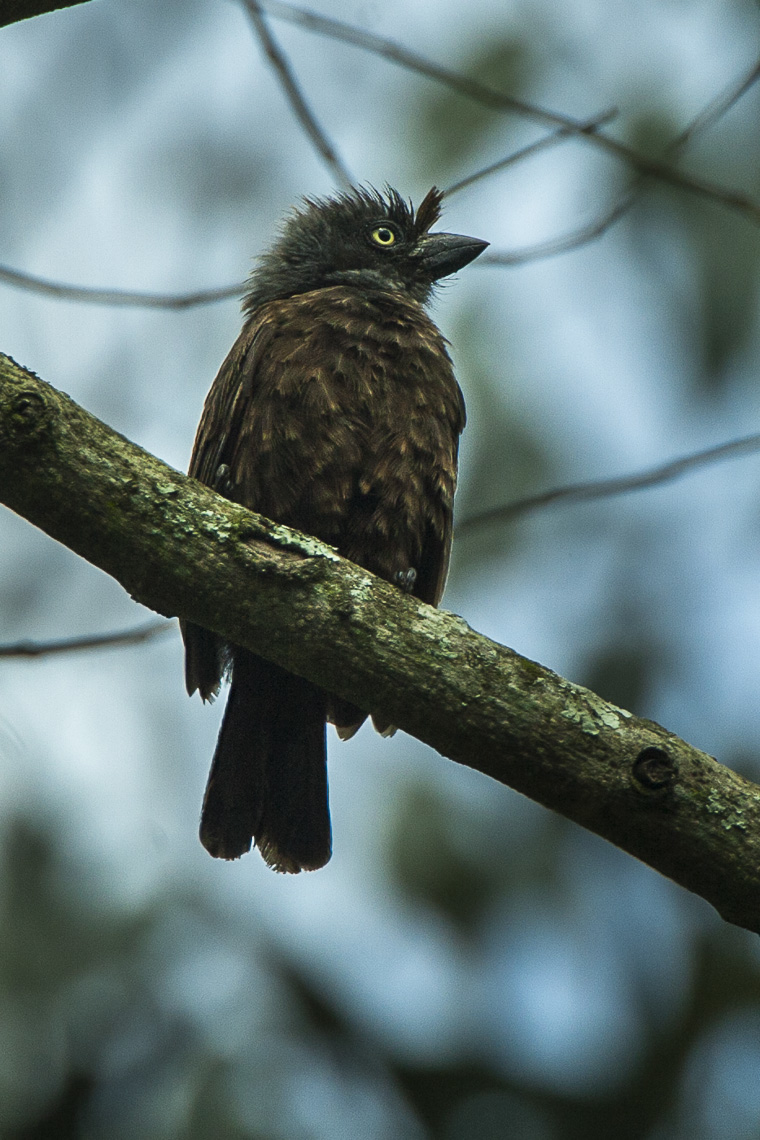
Identifying the Black-breasted Barbet involves noting its vibrant plumage and distinctive markings. The adult plumage features a deep black breast, which contrasts sharply with its red head and yellow belly. This dramatic color combination makes the Black-breasted Barbet stand out in the green foliage of its forest habitat. Juveniles, however, display a more subdued coloration, lacking the full intensity of the adult's hues. Male and female Black-breasted Barbets are similar in appearance, though females may exhibit slightly duller plumage. When observing these birds, pay attention to their thick bills, which are ideal for their fruit-based diet. In flight, the Black-breasted Barbet presents a robust silhouette with rounded wings and a short tail, characteristics typical of the Lybiidae family. When perched, they often display an upright posture, which, coupled with their coloration, aids in their identification. While some other barbet species exhibit similar color patterns, the combination of the Black-breasted Barbet's unique markings and size helps distinguish it from potential look-alikes. Birders should also note the bird's vocalizations, which can serve as an additional identification cue.
Having trouble telling birds apart? Upload a photo to our bird identification tool for an instant species match.
Black-breasted Barbet Habitat and Range
Preferred Habitat
The Black-breasted Barbet primarily inhabits tropical forests and woodlands in Central Africa. These birds thrive in environments where dense foliage provides ample food resources and nesting opportunities. Elevation-wise, they are usually found in lowland forests, typically below 1000 meters, where they can access a diverse array of fruiting plants. Seasonal habitat shifts are minimal, as these barbets are largely sedentary. However, they may move locally in response to fruit availability. While they are predominantly forest dwellers, Black-breasted Barbets have also been observed in secondary growth areas and forest edges. This adaptability to different forest conditions makes them more resilient to habitat changes compared to more specialized species. Although they are not common in urban areas, their presence in rural settings near forested regions underscores their dependence on natural habitats for survival.
Geographic Range
The range of the Black-breasted Barbet encompasses several countries in Central Africa. They are mainly found in countries such as Cameroon, the Central African Republic, and parts of the Democratic Republic of the Congo. These birds do not exhibit long-distance migratory behavior, instead remaining within their established territories year-round. This sedentary nature means that their presence can be consistently expected in suitable habitats throughout their range. Population density tends to be higher in areas with abundant fruiting trees, which provide essential food resources. While their range is relatively limited compared to some other species, the Black-breasted Barbet's adaptability to various forest types allows for a stable population within this geographic scope.
Want to know which birds visit your area? Browse our backyard birds by location guides for region-specific species lists.
What Does the Black-breasted Barbet Eat?
The diet of the Black-breasted Barbet primarily consists of fruits, which they pluck adeptly with their robust bills. Figs and other small fruits make up a significant portion of their diet. Insects also form a secondary food source, providing essential proteins, especially during the breeding season when energy demands are higher. Their foraging technique involves hopping between branches, scanning for ripe fruit, and sometimes gleaning insects from foliage. Prey size generally includes small to medium-sized insects, which they capture with quick, precise movements. The Black-breasted Barbet typically feeds during the cooler parts of the day, such as early morning and late afternoon, taking advantage of lower temperatures and increased fruit availability.
Black-breasted Barbet Behavior and Social Structure
The Black-breasted Barbet exhibits fascinating social behaviors, often seen in pairs or small family groups. During the breeding season, males become particularly territorial, engaging in displays to ward off rivals and attract mates. Courtship displays involve vocal duets and synchronized movements, showcasing their vibrant plumage. Outside the breeding season, they may form loose flocks, especially around abundant food sources. The Black-breasted Barbet remains vigilant against predators, using both visual and vocal cues to alert family members. Their daily activities include periods of foraging, resting, and social interactions, with peak activities occurring during the cooler parts of the day. Despite their social nature, they maintain clearly defined territories, defending them with vocal displays and occasional physical confrontations.
Black-breasted Barbet Nesting and Reproduction
The Black-breasted Barbet typically nests in tree cavities, which they either excavate themselves or inherit from other species. Nesting sites are often located in dead trees or branches, providing a secure environment for raising young. These birds use a variety of materials to line their nests, including leaves and soft plant fibers. A typical clutch consists of 2-4 eggs, which both parents incubate over a period of about two weeks. Once hatched, the chicks remain in the nest for several weeks before fledging. Both male and female barbets share the responsibilities of feeding and caring for the young, ensuring a high survival rate for the fledglings. The species usually raises one brood per year, although conditions with abundant food can lead to more.
Black-breasted Barbet Sounds and Vocalizations
The Black-breasted Barbet's primary song consists of a series of melodious notes, delivered with a rhythmic cadence. These songs often serve to establish territory and strengthen pair bonds. Their call notes are sharp and distinctive, often used as alarm calls or to communicate within family groups. During the early morning, the barbet participates in a dawn chorus, adding its unique voice to the forest symphony. The song quality is clear and carries well through the dense foliage, making it a key tool for locating these birds in the wild.
Interesting Facts About the Black-breasted Barbet
- 1The Black-breasted Barbet can be identified by its sharp, melodious call, which is often heard before the bird is seen.
- 2This species plays an essential role in seed dispersal, aiding in the propagation of various fruiting tree species.
- 3Despite its vibrant colors, the Black-breasted Barbet blends remarkably well into the dappled light of the forest canopy.
- 4The robust bill of the Black-breasted Barbet is perfectly adapted for cracking open tough fruit skins and accessing the nutritious pulp inside.
- 5Black-breasted Barbets often pair for life, maintaining strong pair bonds through cooperative behaviors like mutual preening.
- 6Unlike many birds, both male and female Black-breasted Barbets participate equally in raising their young, strengthening their pair bond.
- 7The species' name, Pogonornis rolleti, reflects its distinctive black breast, a defining feature that sets it apart from other barbets.
Black-breasted Barbet Conservation Status
Currently, the Black-breasted Barbet is classified as Least Concern by the IUCN, indicating a stable population trend. However, ongoing threats such as habitat destruction and fragmentation pose potential risks to their habitats. Conservation efforts focus on preserving forested areas and promoting sustainable land-use practices. Historically, their populations have managed to remain stable due to their adaptability and reliance on a wide range of fruiting plants. Continued monitoring and habitat protection are essential to ensure that this species continues to thrive in its natural habitat.
Other Lybiidae Species


Birds Similar to the Black-breasted Barbet
These species are often confused with the Black-breasted Barbet due to similar appearance or overlapping range.

