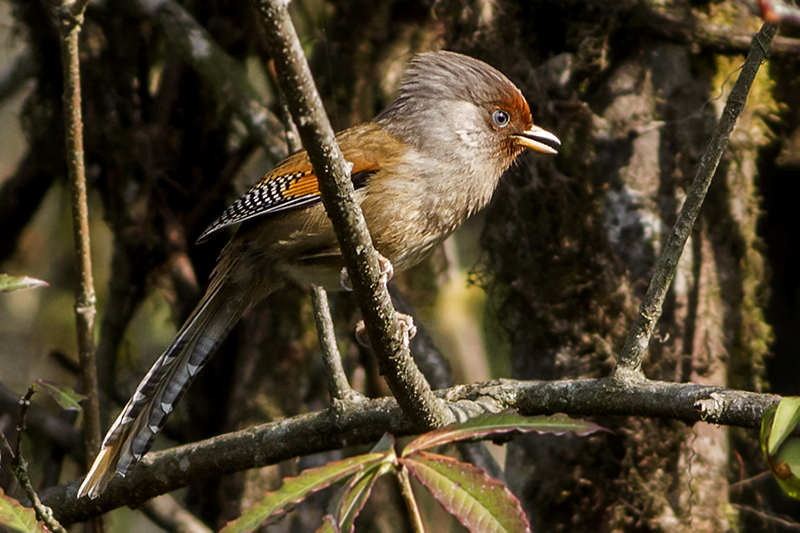
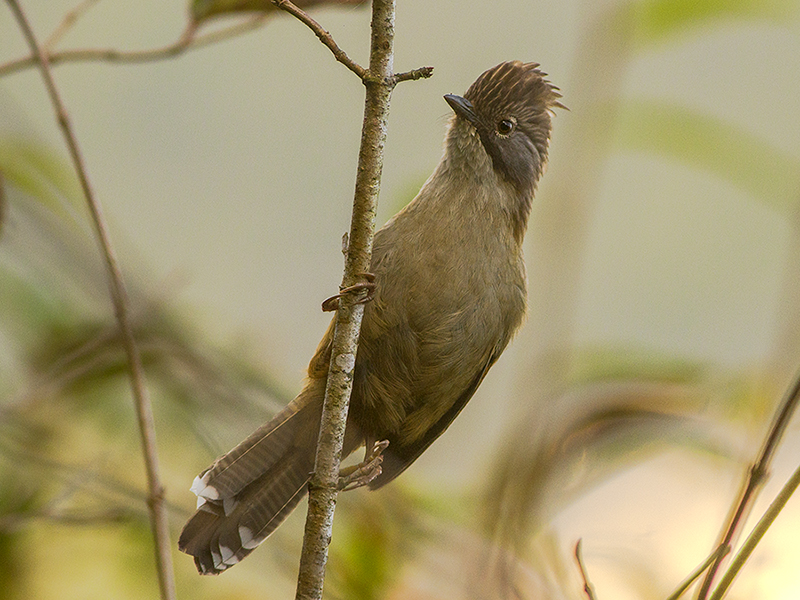
Black-lored Babbler
Turdoides sharpei
Order: Passeriformes / Family: Leiothrichidae

Wikimedia Commons
About the Black-lored Babbler
The Black-lored Babbler, scientifically named Turdoides sharpei, is a striking member of the Leiothrichidae family, found predominantly in sub-Saharan Africa. This bird is particularly recognized for its social nature and distinctive black streaks running across its eyes, giving it a masked appearance. The babbler thrives in the savannas and woodlands of East Africa, with prominent populations in countries like Kenya, Tanzania, and Uganda. These birds are non-migratory, preferring to remain within their territorial haunt throughout the year. They play a significant ecological role as both predators and prey in their ecosystem. By feeding on insects and small invertebrates, they help control pest populations, while their eggs and juveniles serve as food for predators such as snakes and larger birds. The Black-lored Babbler is also an important indicator species for the health of its habitat, as its presence often signals a balanced ecosystem. During the dry season, these babblers are known to travel in small, cooperative groups searching for water sources. Their need for communal living extends beyond foraging, as they often engage in cooperative breeding behaviors. These birds contribute to the social fabric of their environment by relying on intricate communication systems, which include a variety of calls and songs. Such behaviors underscore their adaptability and social complexity, making them a subject of interest for ornithologists and ecologists alike. Seasonal behaviors of the Black-lored Babbler include shifts in diet and social dynamics, with breeding periods often coinciding with the rainy season when food resources are more abundant. This timing ensures a higher survival rate for the young, as parents can provide ample nourishment. Overall, the Black-lored Babbler is a vital component of the ecosystems it inhabits, reflecting the interconnectedness of species within these rich landscapes.
The Black-lored Babbler belongs to the family Leiothrichidae, within the order Passeriformes. These birds typically live up to 10 years in the wild..
How to Identify a Black-lored Babbler
The Black-lored Babbler is a medium-sized bird, measuring about 23 centimeters in length. Adults exhibit a predominantly brown plumage with darker streaks on the back and lighter underparts. The distinctive black eye stripes, or 'lores,' are the most recognizable features, setting them apart from other babblers. These markings give the bird a masked appearance, making identification relatively straightforward. Juveniles resemble adults but may have slightly duller plumage. There is no significant sexual dimorphism in this species, meaning males and females look alike. However, subtle differences in behavior, such as males being slightly more vocal during the breeding season, may aid in identification. The Black-lored Babbler can be confused with other babbler species, such as the Arrow-marked Babbler, which lacks the prominent black lores and has distinct white spots on its wings. In flight, the Black-lored Babbler displays a somewhat clumsy silhouette, with rounded wings and a long, rounded tail. When perched, its posture is upright, often aided by its strong legs and feet.
Having trouble telling birds apart? Upload a photo to our bird identification tool for an instant species match.
Black-lored Babbler Habitat and Range
Preferred Habitat
Black-lored Babblers are typically found in open habitats, preferring savannas, woodlands, and scrublands. They are also known to inhabit rural gardens and agricultural areas, demonstrating some adaptability to human-altered environments. These birds are most commonly found at elevations ranging from sea level to about 1,800 meters. Seasonal habitat shifts are minimal, as they are non-migratory, but they may move locally in search of food or water during dry periods. While they usually avoid dense forests and urban centers, they can occasionally be spotted on the outskirts of towns where suitable habitat exists.
Geographic Range
The Black-lored Babbler's range is confined to parts of East Africa, including Kenya, Tanzania, Uganda, and parts of South Sudan. It does not migrate but remains resident in these regions year-round. The bird thrives in locations where suitable savanna and woodland habitats are available. Local population densities can be quite high, especially in areas where water and food resources are plentiful. While it is less common in heavily forested or desert areas, the Black-lored Babbler can adapt to various microhabitats within its range, contributing to its status as a widespread species in suitable environments.
Want to know which birds visit your area? Browse our backyard birds by location guides for region-specific species lists.
What Does the Black-lored Babbler Eat?
Primarily insectivorous, the Black-lored Babbler feeds on a wide range of insects and small invertebrates, including beetles, ants, and caterpillars. During the wet season, when insects are abundant, their diet is largely focused on these protein-rich sources. In leaner times, such as the dry season, they may supplement their diet with seeds, berries, and occasionally small fruits. Foraging occurs mostly on the ground or in low vegetation, where they use their strong legs to scratch the leaf litter and soil. They often forage in groups, which helps in flushing out insects and increases foraging efficiency.
Black-lored Babbler Behavior and Social Structure
The Black-lored Babbler is a highly social bird, often seen in groups of 5 to 15 individuals. These groups are not just foraging flocks but also social units that engage in cooperative breeding. Within these groups, members assist in raising young, with non-breeding individuals helping to feed and protect the chicks. Territorial behavior is pronounced, with groups defending their area through vocalizations and displays. Courtship involves mutual preening and soft vocal exchanges. The babbler's response to predators includes loud alarm calls and mobbing behavior, where group members collectively harass a potential threat. Daily activity patterns revolve around foraging in the early morning and late afternoon, with periods of rest and preening during the heat of midday.
Black-lored Babbler Nesting and Reproduction
Black-lored Babblers build cup-shaped nests using twigs, grasses, and leaves, often lined with softer materials. Nests are typically located in low shrubs or trees, about 1 to 3 meters above ground. The clutch size usually consists of 2 to 4 eggs, which are pale blue or greenish in color. Both parents, along with helpers, participate in incubation, which lasts approximately 14 to 16 days. After hatching, the chicks remain in the nest for about 14 to 18 days before fledging. Parental care continues for some weeks post-fledging, with the entire group assisting in feeding the young. Typically, Black-lored Babblers have one to two broods per year, often aligning with the rainy season.
Black-lored Babbler Sounds and Vocalizations
The Black-lored Babbler's primary song consists of a series of chattering notes, often described as harsh and metallic. These vocalizations serve as important social tools, maintaining group cohesion and territorial boundaries. Calls include a variety of whistles, trills, and harsh chatters, with alarm calls being more urgent and rapid. During the dawn chorus, these babblers can be particularly vocal, contributing to the soundscape with their incessant chatter, which can be likened to a group of quarrelsome voices.
Interesting Facts About the Black-lored Babbler
- 1The Black-lored Babbler is a cooperative breeder, with non-breeding individuals helping to raise chicks, enhancing survival rates.
- 2Turdoides sharpei has a vocal repertoire that includes over 20 distinct call types, serving different social functions.
- 3These babblers often engage in allopreening, a behavior where they groom each other, strengthening social bonds.
- 4Despite their social nature, Black-lored Babblers are fiercely territorial, often engaging in loud disputes with neighboring groups.
- 5Their diet flexibility allows them to exploit various food sources, contributing to their success across diverse environments.
- 6The Black-lored Babbler's eye stripes are not just for show; they help reduce glare, aiding vision in bright conditions.
- 7These birds are known to use tools, such as sticks, to extract insects from tree bark, showcasing their problem-solving abilities.
Black-lored Babbler Conservation Status
The Black-lored Babbler is currently listed as Least Concern by the IUCN, with stable population trends across its range. The primary threats include habitat loss due to agricultural expansion and human encroachment, although the species' adaptability to some modified habitats offers resilience. Conservation efforts focus on habitat preservation and management, particularly in protected areas where the species is commonly found. Historically, the population has been stable, and ongoing monitoring aims to ensure this trend continues.