Formosan Barwing
Sibia morrisoniana
Order: Passeriformes / Family: Leiothrichidae

Wikimedia Commons
About the Formosan Barwing
The Formosan Barwing, scientifically known as Sibia morrisoniana, is a captivating bird species endemic to Taiwan. It inhabits the lush montane forests of the island, typically between elevations of 1,200 to 3,000 meters. These birds prefer dense undergrowth and forest edges, making them a prominent feature in the subtropical and tropical moist broadleaf forests of the region. The bird's ecological role is significant, serving as both a seed disperser and an insect population controller. Formosan Barwings contribute to the health of their habitats by spreading the seeds of various plant species, facilitating forest regeneration and maintaining biodiversity.
Seasonally, the Formosan Barwing remains mostly sedentary, as it does not undergo long migrations like many other avian species. However, slight altitudinal movements may occur in response to changes in food availability or environmental conditions. During the breeding season, typically from March to July, these birds become more active and vocal, as they establish territories and court mates. Outside of the breeding season, they form loose, mixed-species flocks, often seen foraging with other insectivorous bird species.
The significance of the Formosan Barwing extends beyond its ecological role. It serves as an indicator species for the health of Taiwan's montane forest ecosystems. Changes in its population can reflect shifts in environmental conditions, such as habitat loss or climate change. Conservation efforts for the Formosan Barwing are crucial in preserving these vital ecosystems. Despite facing threats from habitat destruction and fragmentation, efforts are underway to protect these birds and their habitats through conservation programs and protected areas.
The Formosan Barwing belongs to the family Leiothrichidae, within the order Passeriformes. These birds typically live average 5-7 years with max recorded of 9 years.
How to Identify a Formosan Barwing
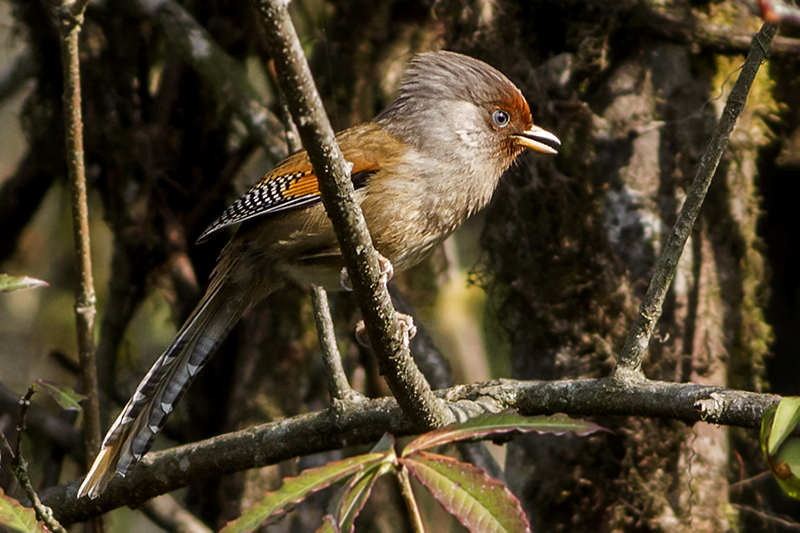
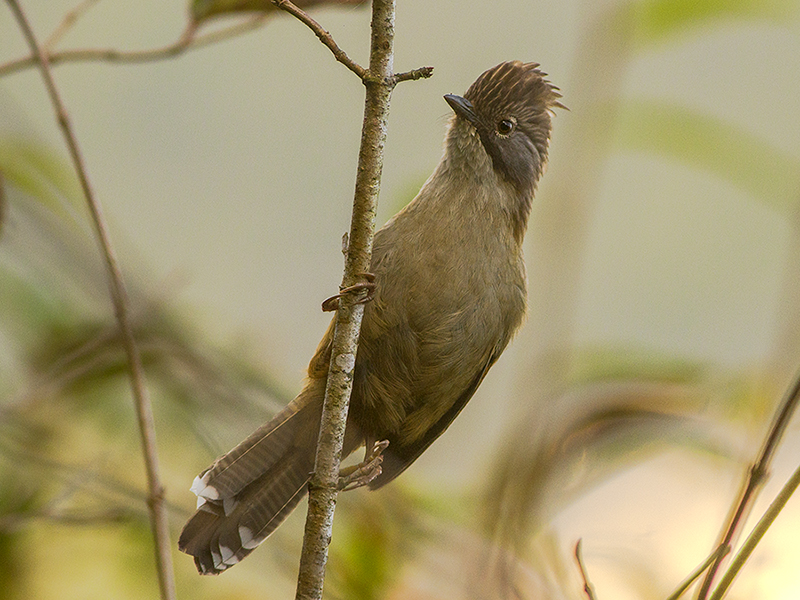
The Formosan Barwing is a medium-sized songbird, measuring about 22-24 cm in length. Its most distinctive feature is the pair of bold white wing bars that stand out against its predominantly brown and gray plumage. The upperparts of the bird are a warm brown, while the underparts are lighter with a subtle grayish-white hue. This contrast enhances its visibility in the dense forest foliage. Juvenile Formosan Barwings resemble adults, though their plumage may appear slightly duller, lacking the crispness of adult feathers.
Both male and female Formosan Barwings exhibit similar plumage, making it challenging to differentiate between the sexes based solely on appearance. Their robust bodies and relatively long tails contribute to a distinct silhouette when perched. In flight, the white wing bars and rounded wings are especially noticeable, aiding in identification even at a distance. When perched, the bird often adopts an upright posture, scanning its surroundings with keen interest.
While the Formosan Barwing's plumage and markings are unique, it can occasionally be confused with other sympatric species. For instance, the Taiwan Yuhina, another forest-dwelling bird, shares a similar habitat. However, the Yuhina is smaller and lacks the prominent white wing bars, making identification easier for the discerning birder.
Having trouble telling birds apart? Upload a photo to our bird identification tool for an instant species match.
Formosan Barwing Habitat and Range
Preferred Habitat
In its native Taiwan, the Formosan Barwing inhabits montane forest regions, thriving in subtropical and tropical moist broadleaf forests. These birds are typically found at elevations ranging from 1,200 to 3,000 meters, where the climate is cooler and more humid than in the lowlands. The dense undergrowth and forest edges of these montane environments provide ample foraging opportunities and nesting sites.
The Formosan Barwing shows some adaptability in its habitat preferences, occasionally venturing into secondary forests or areas with scattered trees and shrubs. Despite this, it remains closely tied to forested environments, seldom venturing into urban or heavily disturbed areas. Seasonal habitat shifts are minimal, as the bird primarily adjusts to changes in food availability rather than undertaking long migrations. This steadfast presence in its habitat year-round underscores its reliance on the continued health and preservation of Taiwan's montane forests.
Geographic Range
The Formosan Barwing is endemic to Taiwan, meaning its range is restricted to this island nation in East Asia. Within Taiwan, it is predominantly found in the central and northern parts of the island, where suitable montane forest habitats are most extensive. The bird's range is confined to elevations between 1,200 and 3,000 meters, where it finds the climate and vegetation most favorable.
While the Formosan Barwing does not migrate long distances, it may engage in minor altitudinal movements depending on seasonal variations in food availability. These movements are typically limited to shifts within their established range, ensuring they remain within familiar territories. The Formosan Barwing is not found outside of Taiwan, making it a unique and vital component of the island's avian biodiversity.
Population density hotspots for the Formosan Barwing are often associated with well-preserved forest areas, such as those found in Taiwan's national parks and nature reserves. These areas provide the necessary habitat conditions and protection from anthropogenic threats, allowing the bird to thrive. Monitoring and conservation efforts within these regions are crucial for maintaining healthy populations of this endemic species.
Want to know which birds visit your area? Browse our backyard birds by location guides for region-specific species lists.
What Does the Formosan Barwing Eat?
The Formosan Barwing's diet primarily consists of insects and other small invertebrates, which it diligently searches for in the dense undergrowth of montane forests. Its foraging technique is characterized by active gleaning, where the bird hops and flits through foliage, pecking at leaves, branches, and bark to uncover hidden prey. This method allows the Formosan Barwing to access a wide variety of insects, including caterpillars, beetles, and ants, which form the bulk of its diet.
During the breeding season, the bird's diet may expand to include a higher proportion of protein-rich insects, which are essential for the growth and development of its young. Outside of the breeding season, when insect availability may decrease, the Formosan Barwing supplements its diet with fruits and seeds, showcasing its adaptability in varying environmental conditions.
The bird tends to forage in the early morning and late afternoon, taking advantage of cooler temperatures and increased insect activity during these times. This feeding schedule also allows the Formosan Barwing to avoid competition with other diurnal insectivores, enabling it to efficiently exploit available resources.
Formosan Barwing Behavior and Social Structure
The Formosan Barwing exhibits a complex social structure, often forming loose, mixed-species flocks with other insectivorous birds. This behavior enhances foraging efficiency and provides protection against predators. Within these flocks, Formosan Barwings maintain a degree of social hierarchy, with dominant individuals often securing the best foraging spots.
Territorial behavior becomes more pronounced during the breeding season. Males establish and defend territories through vocalizations and displays, which serve to attract mates and deter rivals. Courtship displays involve a combination of song, wing-fluttering, and posturing, designed to showcase the male's vitality and fitness.
Formosan Barwings are generally active during the day, with peaks in activity occurring in the early morning and late afternoon. This diurnal pattern allows them to take advantage of optimal foraging conditions while avoiding the midday heat. When faced with potential threats, the Formosan Barwing employs a variety of alarm calls to alert conspecifics and neighboring birds to the presence of predators. These calls are crucial for maintaining the safety and cohesion of their social groups.
Formosan Barwing Nesting and Reproduction
The Formosan Barwing constructs its nest in dense shrubbery or low tree branches, preferring locations that offer both concealment and protection from predators. The nest is typically a cup-shaped structure, intricately woven from twigs, grasses, and leaves, and lined with softer materials such as feathers or plant down to provide insulation.
A typical clutch consists of 2-4 eggs, which are incubated by both parents over a period of approximately 14-16 days. This shared responsibility ensures that the eggs remain at a consistent temperature and are protected from potential threats. During the incubation period, one parent remains on the nest while the other forages for food, a task they alternate throughout the day.
Once hatched, the chicks are altricial, requiring constant care and feeding from both parents. The fledging period lasts about 12-15 days, during which time the chicks grow rapidly and develop the necessary skills for survival. The Formosan Barwing may produce one or two broods per year, depending on environmental conditions and food availability.
Formosan Barwing Sounds and Vocalizations
The Formosan Barwing's primary song is a series of melodious, fluting notes delivered in a slow, deliberate rhythm. These vocalizations are rich and varied, encompassing a range of pitches and tonal qualities that are both pleasing and distinctive. The song is often used by males during the breeding season to establish territories and attract mates.
In addition to its song, the Formosan Barwing produces a variety of call notes, including sharp, staccato chips and softer, more liquid whistles. Alarm calls are harsh and abrupt, serving to alert other birds to potential dangers. During the early morning hours, the Formosan Barwing participates in the dawn chorus, contributing its unique song to the symphony of avian voices that herald the new day.
Interesting Facts About the Formosan Barwing
- 1The Formosan Barwing is a member of the Leiothrichidae family, which includes diverse songbirds found primarily in Asia.
- 2Endemic to Taiwan, the Formosan Barwing is one of several bird species that help define the island's unique avian biodiversity.
- 3Despite its limited range, the Formosan Barwing is an adaptable forager, able to switch between insectivory and frugivory as needed.
- 4Formosan Barwings are known to participate in mixed-species flocks, enhancing their foraging success and protection from predators.
- 5The bird's distinctive white wing bars make it an easily recognizable species in its forested habitat, aiding in field identification.
- 6Conservation efforts in Taiwan have helped protect the Formosan Barwing's montane forest habitat, ensuring its continued survival.
- 7The Formosan Barwing's song is a melodic flute-like series of notes, adding to the rich auditory tapestry of the montane forests.
Formosan Barwing Conservation Status
The Formosan Barwing is currently classified as Least Concern by the IUCN, reflecting its relatively stable population. However, this status belies the challenges it faces, primarily from habitat destruction and fragmentation due to deforestation and agricultural expansion in Taiwan. Despite these threats, the bird's population remains resilient, thanks in part to its adaptability and the presence of protected areas within its range. Conservation efforts for the Formosan Barwing focus on preserving its natural habitat through the establishment and maintenance of national parks and nature reserves. These areas provide a refuge from human encroachment and ensure the continued health of montane forest ecosystems. Ongoing research and monitoring are also critical, as they provide valuable data on population trends and inform conservation strategies. Historical population changes have not been extensively documented, but anecdotal evidence suggests that the Formosan Barwing has maintained a relatively stable presence in Taiwan's montane forests. Continued conservation efforts are essential to ensure that this trend persists, safeguarding the future of this unique and ecologically important species.