
Large Gray Babbler
Turdoides malcolmi
Order: Passeriformes / Family: Leiothrichidae

Wikimedia Commons
About the Large Gray Babbler
The Large Gray Babbler, scientifically known as Turdoides malcolmi, is a member of the Leiothrichidae family, often found in the Indian subcontinent. This bird is known for its highly social nature and is typically observed in noisy groups. These flocks can consist of up to 20 individuals, making them quite conspicuous. The Large Gray Babbler plays a significant role in the ecosystem, primarily through its insectivorous diet which helps control pest populations. The bird's range includes regions of India, particularly in the northern and central parts, extending to Nepal and Pakistan. It favors open scrublands, agricultural fields, and the periphery of forests. While adaptable to some extent to human-altered landscapes, the Large Gray Babbler is less commonly found in densely forested or heavily urbanized areas.
Ecologically, the Large Gray Babbler contributes to the health of its habitat by participating in the seed dispersal process. It is often seen in areas with thorny bushes and small trees, which provide ample opportunities for nesting and foraging. During the breeding season, which typically aligns with the monsoon, the bird's social dynamics become even more pronounced, with group members assisting in feeding the young. The Large Gray Babbler is also known for its cooperative breeding behavior, where non-breeding individuals help raise the chicks.
Seasonally, the Large Gray Babbler does not migrate long distances but may exhibit local movements in response to food availability. Its presence is a staple in the areas it inhabits, being a year-round resident. The bird's vocalizations, often heard at dawn and dusk, mark its presence in the landscape, adding to the auditory tapestry of its environment. The Large Gray Babbler's adaptability to different habitats, coupled with its social structure, underscores its resilience and ecological importance.
The Large Gray Babbler belongs to the family Leiothrichidae, within the order Passeriformes. These birds typically live typically 6-8 years, with some individuals reaching 10 years..
How to Identify a Large Gray Babbler
Identifying the Large Gray Babbler involves noting its predominantly gray plumage, with subtle variations in shade. Adults display a uniform gray tone across the body, with slightly paler underparts. The beak is stout and dark, complementing its overall coloration. In flight, the Large Gray Babbler reveals a rounded wing shape and a long, rounded tail which aids in quick maneuvers through its habitat. Juvenile birds resemble adults but may have a slightly browner tint, especially on the wings, which fades as they mature.
There is little sexual dimorphism between males and females, making visual identification of sex challenging in the field. However, during the breeding season, males may exhibit more pronounced vocal activity and display behaviors that can help distinguish them. When perched, the Large Gray Babbler holds an upright posture, often with its tail slightly cocked, a characteristic stance that birdwatchers can use as an identification cue.
Confusion with similar species such as the Jungle Babbler is possible, but the Large Gray Babbler's larger size and more uniform gray coloration are distinguishing factors. Additionally, the Jungle Babbler tends to have a more rufous tone on the wings and back, contrasting with the Large Gray Babbler's consistent gray appearance.
Having trouble telling birds apart? Upload a photo to our bird identification tool for an instant species match.
Large Gray Babbler Habitat and Range
Preferred Habitat
The Large Gray Babbler inhabits a variety of open and semi-open environments. It thrives in scrublands, agricultural areas, and edges of deciduous forests. These birds are often found at low to moderate elevations, typically below 1500 meters. They prefer landscapes that provide a mix of open ground for foraging and shrubs or small trees for cover and nesting.
In rural areas, the Large Gray Babbler is a common sight, frequently observed in fields and plantations where it benefits from the abundance of insects. In contrast, its presence in urban settings is limited to gardens and parks that mimic its natural habitat with sufficient vegetation.
Seasonal shifts in habitat use are minimal, as the Large Gray Babbler tends to remain within its established territories year-round. However, during the dry season, these birds may move slightly to areas with more consistent water and food resources, demonstrating their adaptability to changing environmental conditions.
Geographic Range
The distribution of the Large Gray Babbler is primarily within the Indian subcontinent. Its breeding range covers a significant portion of northern and central India, including states such as Rajasthan, Uttar Pradesh, and Madhya Pradesh. The species is also present in parts of Nepal and extends into eastern Pakistan.
Unlike many migratory species, the Large Gray Babbler is largely sedentary, maintaining its presence within these regions throughout the year. Its range does not extend significantly beyond these areas, highlighting its specialization to the specific environmental conditions found in the Indian subcontinent.
Population density is notably high in areas with abundant open habitats and agricultural fields. While the bird's populations are stable, their concentration in certain regions makes them more susceptible to habitat changes. Conservation efforts in these regions aim to preserve the natural landscapes that support the Large Gray Babbler's life cycle.
Want to know which birds visit your area? Browse our backyard birds by location guides for region-specific species lists.
What Does the Large Gray Babbler Eat?
The diet of the Large Gray Babbler primarily consists of insects, which it forages for in groups. These birds engage in ground foraging, often seen flipping over leaves and debris to uncover hidden insects. Their diet includes beetles, grasshoppers, and caterpillars, with the occasional consumption of small fruits and seeds providing dietary diversity.
Seasonal changes influence their diet composition, with insects forming the bulk during the monsoon when invertebrate abundance peaks. During the dry season, the Large Gray Babbler may rely more heavily on available fruits and seeds. Despite their adaptability, these birds show a preference for protein-rich insect prey when available.
The Large Gray Babbler's foraging technique is communal, with group members often working together to cover larger areas. This cooperative behavior not only increases foraging efficiency but also enhances their social bonds. Their feeding schedule is diurnal, with peak activity occurring in the early morning and late afternoon when temperatures are more favorable.
Large Gray Babbler Behavior and Social Structure
The social structure of the Large Gray Babbler is one of its most fascinating aspects. These birds exhibit a highly social and cooperative lifestyle, often forming flocks that consist of several families. Such group dynamics are essential for survival, providing protection against predators through collective vigilance.
Territorial behavior is evident as flocks defend their territories with vocalizations and physical displays. During the breeding season, courtship displays include mutual preening and synchronized calls, strengthening pair bonds. While generally non-aggressive, interactions with rival flocks can escalate to physical confrontations if territorial boundaries are crossed.
The Large Gray Babbler's daily activity pattern includes periods of intense foraging interspersed with rest and social interactions. Flocking patterns can vary, with groups becoming more compact during rest periods to maintain warmth and security. Their response to predators involves a coordinated alarm call, prompting the group to either flee or mob the threat collectively.
Large Gray Babbler Nesting and Reproduction
Nesting for the Large Gray Babbler involves constructing a cup-shaped nest, usually placed in dense shrubs or low trees. The selection of thorny bushes is common, providing protection from predators. Nests are composed of twigs, grasses, and leaves, intricately woven to create a sturdy structure.
Females typically lay a clutch of 3 to 5 eggs, with an incubation period of about 14 days. Both parents participate in incubating the eggs and feeding the chicks. The role of non-breeding group members is crucial, as they assist in feeding and protecting the young, exemplifying the species' cooperative breeding behavior.
Fledging occurs approximately 14 to 16 days post-hatching, with juveniles remaining under parental care for several weeks thereafter. The Large Gray Babbler generally produces one to two broods per year, with breeding efforts synchronized with the availability of food resources during the monsoon season.
Large Gray Babbler Sounds and Vocalizations
The vocalizations of the Large Gray Babbler are a distinctive aspect of its behavior. Its primary song consists of a series of harsh, repetitive notes, often described as "chack-chack-chack," delivered in rapid succession. These vocalizations serve to maintain group cohesion and mark territory.
Call notes are varied, with a repertoire that includes softer, more melodic sounds used during social interactions within the flock. Alarm calls are sharp and urgent, designed to alert all group members to potential threats.
During the dawn chorus, the Large Gray Babbler's calls are among the first to break the morning silence, setting the tone for the day's activities. Their vocalizations are often compared to the mechanical sounds of a rusty hinge, a feature that makes them easy to identify even without visual confirmation.
Interesting Facts About the Large Gray Babbler
- 1The Large Gray Babbler can live in flocks of up to 20 individuals, showcasing remarkable social cooperation.
- 2Unlike many birds, the Large Gray Babbler engages in cooperative breeding, with non-breeding helpers assisting in raising young.
- 3Despite their name, Large Gray Babblers are medium-sized, measuring about 25 centimeters in length.
- 4Their vocalizations are so distinctive that they are often likened to the sound of a rusty hinge.
- 5The species is an effective insect predator, playing a vital role in controlling pest populations in agricultural areas.
- 6In some cultures, Large Gray Babblers are considered indicators of good luck when seen near homes.
- 7Their nests are often found in thorny bushes, providing natural protection against predators.
Large Gray Babbler Conservation Status
The Large Gray Babbler currently holds a status of Least Concern on the IUCN Red List, with stable population trends. However, habitat degradation due to agricultural expansion and urbanization poses potential threats. Conservation efforts focus on preserving natural landscapes and promoting sustainable agricultural practices. Historically, the population of the Large Gray Babbler has remained relatively stable, benefiting from its adaptability to human-altered environments. Nevertheless, continued monitoring is essential to ensure that their habitats remain viable amidst increasing anthropogenic pressures. Conservation programs in India and neighboring countries aim to raise awareness about the ecological role of the Large Gray Babbler, advocating for the protection of scrublands and edges of forests where they thrive.
Other Leiothrichidae Species

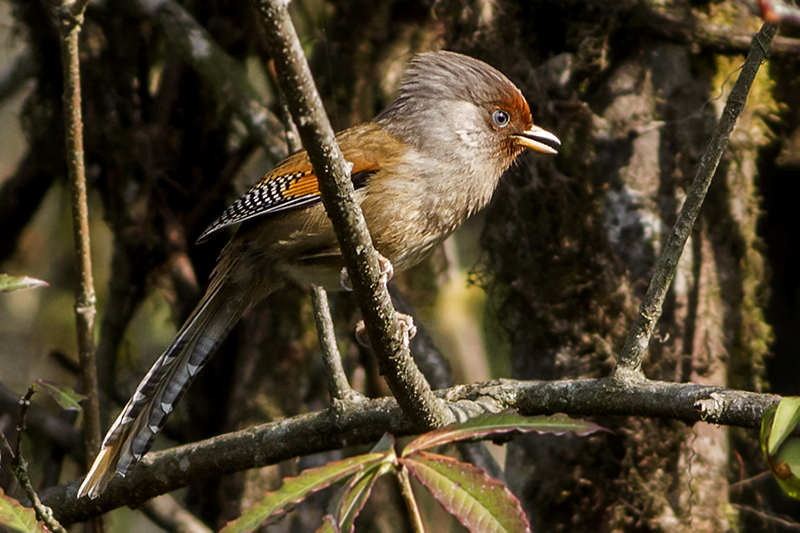

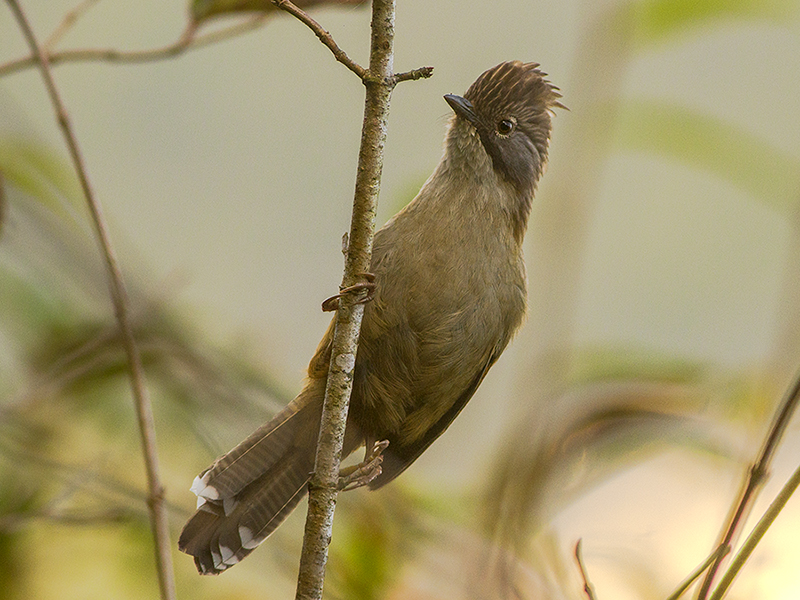
Birds Similar to the Large Gray Babbler
These species are often confused with the Large Gray Babbler due to similar appearance or overlapping range.

