
Red-collared Babbler
Kupeornis rufocinctus
Order: Passeriformes / Family: Leiothrichidae

Wikimedia Commons
About the Red-collared Babbler
The Red-collared Babbler, scientifically known as Kupeornis rufocinctus, is a captivating member of the Leiothrichidae family. This medium-sized passerine bird is native to the montane forests of Central Africa, particularly thriving in regions such as the Albertine Rift, which includes parts of Uganda, Rwanda, and the Democratic Republic of the Congo. Its vibrant red collar is not only distinctive but also serves as a key identification feature among bird enthusiasts and ornithologists. Occupying a significant ecological niche, the Red-collared Babbler plays a vital role in the biodiversity of these forests. As an insectivore, it helps control insect populations, contributing to the ecological balance within its habitat.
The significance of the Red-collared Babbler extends beyond its ecological role. It is an indicator species, reflecting the health of its montane forest environment. Changes in its population can signal alterations in the ecosystem, often due to deforestation or climate change. The conservation of this species is crucial for maintaining the integrity of the montane forest ecosystems. Observing the Red-collared Babbler can be a thrilling experience, as birdwatchers have described its presence in the dense undergrowth, flitting agilely between branches.
In terms of behavior, the Red-collared Babbler exhibits a degree of sociability, often forming small groups. Its seasonal behaviors are closely tied to the availability of food resources and breeding opportunities. During the breeding season, which typically occurs in the wetter months, the bird's activities become more territorial. Outside the breeding season, it displays a more nomadic lifestyle, moving in response to food availability. This adaptability highlights its resilience in a dynamic environment, though habitat destruction remains a looming threat.
The Red-collared Babbler belongs to the family Leiothrichidae, within the order Passeriformes. These birds typically live average 5-7 years, with some individuals living up to 9 years..
How to Identify a Red-collared Babbler
The Red-collared Babbler is easily identified by its distinctive red collar, which contrasts strikingly with its otherwise gray body. Adult plumage is predominantly gray with a reddish-brown back, while the striking red collar encircles the neck. The eyes of this species are dark, and it possesses a short, stout bill suited for its insectivorous diet. Juveniles lack the vivid red collar, instead displaying a more subdued coloration that helps them blend into their surroundings.
Males and females appear similar in plumage, making sex determination challenging in the field. However, subtle differences in size may be observed, with males slightly larger than females. The Red-collared Babbler could potentially be confused with other babblers, but its unique red collar is a distinguishing feature that sets it apart from similar species like the Brown Babbler or the African Hill Babbler.
In flight, the Red-collared Babbler exhibits a direct and swift flight pattern, with rapid wingbeats. Its silhouette is compact, with a relatively short tail compared to other passerines. When perched, it maintains an upright posture, often seen flitting among dense foliage in search of insects.
Having trouble telling birds apart? Upload a photo to our bird identification tool for an instant species match.
Red-collared Babbler Habitat and Range
Preferred Habitat
The Red-collared Babbler predominantly inhabits the montane forests of Central Africa. These forests are characterized by high elevations, typically ranging from 1,500 to 2,500 meters above sea level. Such altitudinal ranges provide a cool, moist environment ideal for the Red-collared Babbler and its insect prey. Within this habitat, the bird favors areas with dense undergrowth and ample tree cover, which offer protection and abundant foraging opportunities.
Seasonal habitat shifts occur as the Red-collared Babbler moves to slightly lower elevations during cooler months, following food availability. While primarily a forest dweller, it occasionally ventures into adjacent scrublands and forest edges, although it avoids urban areas due to its preference for dense, natural habitats.
The conservation of these montane forests is essential to the survival of the Red-collared Babbler, as deforestation and habitat fragmentation pose significant threats. Efforts to preserve these habitats are critical for maintaining the biodiversity and ecological balance of these regions.
Geographic Range
The Red-collared Babbler's range is confined to the montane forests of the Albertine Rift in Central Africa, encompassing countries such as Uganda, Rwanda, and the Democratic Republic of the Congo. This region is known for its rich biodiversity and endemism, providing a critical habitat for this species. The bird's breeding range coincides with these montane forests, where it finds suitable nesting sites and abundant food resources.
During the non-breeding season, the Red-collared Babbler remains within its general range, though it may exhibit some altitudinal migration in response to environmental conditions. These movements are typically localized, reflecting changes in weather patterns and food availability. The bird does not engage in long-distance migration, making its presence year-round in these montane forests.
Population density hotspots are often found in well-preserved forest areas where human disturbance is minimal. However, ongoing habitat destruction and deforestation threaten these habitats, which could lead to shifts in the bird's range if current trends continue.
Want to know which birds visit your area? Browse our backyard birds by location guides for region-specific species lists.
What Does the Red-collared Babbler Eat?
The Red-collared Babbler primarily feeds on insects, making it an important insectivore within its ecosystem. Its diet consists of various insects, including beetles, caterpillars, and ants, which it forages from the forest undergrowth and tree branches. The bird employs a methodical foraging technique, using its stout bill to probe bark crevices and leaf litter in search of hidden prey.
Seasonal dietary changes occur in response to prey availability. During the wet season, when insects are abundant, the Red-collared Babbler takes advantage of the plentiful food supply to support breeding activities. In drier months, it may supplement its diet with small fruits and seeds, although insects remain the primary food source.
The bird's foraging schedule is diurnal, with peak activity occurring in the early morning and late afternoon. This pattern allows it to exploit the cool temperatures and high insect activity during these times. Prey size varies but typically falls within the smaller range, reflecting the bird's feeding capabilities and habitat preferences.
Red-collared Babbler Behavior and Social Structure
The Red-collared Babbler exhibits a complex social structure, often forming small, cohesive groups that forage and move together. These groups, typically consisting of 3-5 individuals, enhance foraging efficiency and provide protection against predators. The bird's territorial behavior becomes pronounced during the breeding season, with pairs or groups fiercely defending their nesting territories against intruders.
Courtship displays involve vocalizations and visual displays, with males showcasing their vibrant red collars to attract females. These displays are integral to pair bonding and successful mating. Once paired, the birds exhibit strong monogamous relationships, with both partners participating in nesting activities.
Flocking patterns vary seasonally, with larger groups forming outside the breeding season. This behavior likely aids in locating food resources across the forest landscape. The Red-collared Babbler is primarily active during daylight hours, engaging in foraging, social interactions, and territory defense. In response to predators, the bird exhibits a range of defensive behaviors, including loud alarm calls and evasive flights into dense cover.
Red-collared Babbler Nesting and Reproduction
The Red-collared Babbler constructs cup-shaped nests, typically located in dense shrubbery or low tree branches within its montane forest habitat. Nests are made of twigs, leaves, and grass, providing a secure environment for eggs and hatchlings. The choice of nest site reflects a preference for sheltered locations that offer protection from predators and weather.
Clutch size generally ranges from 2-4 eggs, with an incubation period lasting approximately 14-16 days. During incubation, both parents share responsibilities, taking turns to keep the eggs warm while also maintaining vigilance against potential threats. This cooperative breeding strategy enhances the survival rate of the offspring.
Once hatched, fledglings remain in the nest for about 18-21 days before becoming independent. Parental roles extend beyond hatching, with both adults involved in feeding and protecting the young. The Red-collared Babbler typically raises one brood per year, although environmental conditions and food availability can influence reproductive success.
Red-collared Babbler Sounds and Vocalizations
The Red-collared Babbler's primary song is a series of melodious whistles, characterized by clear, ascending notes. This song is often heard during the breeding season, serving both as a territorial marker and a courtship call. Its rhythm is steady, with a pitch that varies to create a harmonious sequence.
Call notes are more abrupt and serve various communicative functions within groups. These include short, sharp alarm calls used to signal the presence of predators or other threats. The bird's calls can be likened to the sound of a low-pitched flute, creating a distinctive presence in the forest soundscape.
During the dawn chorus, the Red-collared Babbler contributes its voice to the collective avian symphony, with songs and calls becoming particularly prominent. Such vocalizations play a critical role in maintaining social bonds and delineating territories.
Interesting Facts About the Red-collared Babbler
- 1The Red-collared Babbler's striking red collar is unique among its relatives, making it a sought-after species for birdwatchers.
- 2This species is an indicator of ecosystem health in the Albertine Rift region, reflecting the condition of its montane forest habitat.
- 3The Red-collared Babbler is part of a family known for their complex social structures, often exhibiting cooperative behaviors.
- 4Unlike many babblers, the Red-collared Babbler maintains monogamous pair bonds, with both parents involved in rearing young.
- 5Its diet shifts seasonally, but insects remain the dominant component, showcasing its adaptability to changing food availability.
- 6The Red-collared Babbler's vocalizations contribute to the rich acoustic tapestry of the montane forests it inhabits.
- 7Efforts to conserve the Red-collared Babbler also benefit a host of other species that share its forest habitat.
Red-collared Babbler Conservation Status
The Red-collared Babbler is currently listed as Near Threatened on the IUCN Red List, with its population trend showing signs of decline. The primary threats to this species include habitat loss due to deforestation, agricultural expansion, and human encroachment. As a forest-dependent bird, it is particularly vulnerable to changes in its montane habitat. Conservation efforts focus on habitat protection and restoration, aiming to preserve the montane forests critical to the Red-collared Babbler's survival. Initiatives include establishing protected areas and promoting sustainable land use practices. Historical population changes have been closely tied to land-use patterns, with declines observed in areas where forest cover has diminished significantly. Raising awareness of the species' plight among local communities is vital for fostering conservation support. Continued monitoring of population trends and habitat conditions will be essential for ensuring the long-term survival of the Red-collared Babbler.
Other Leiothrichidae Species


Birds Similar to the Red-collared Babbler
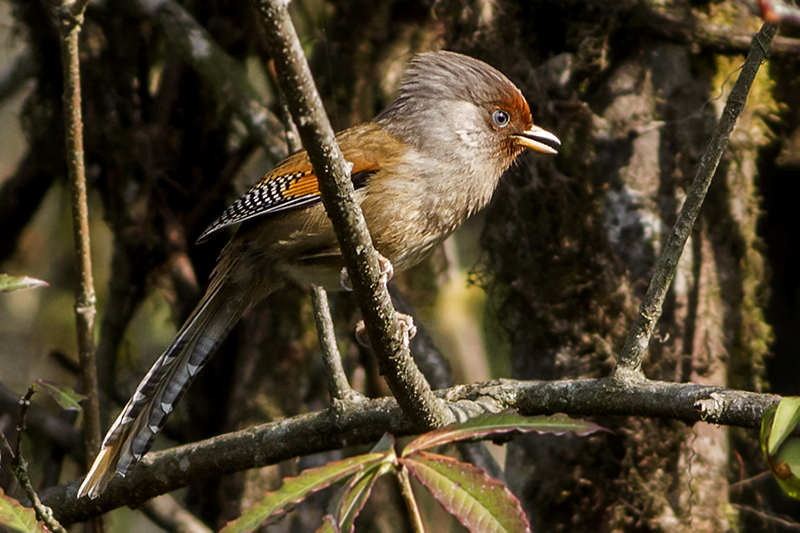
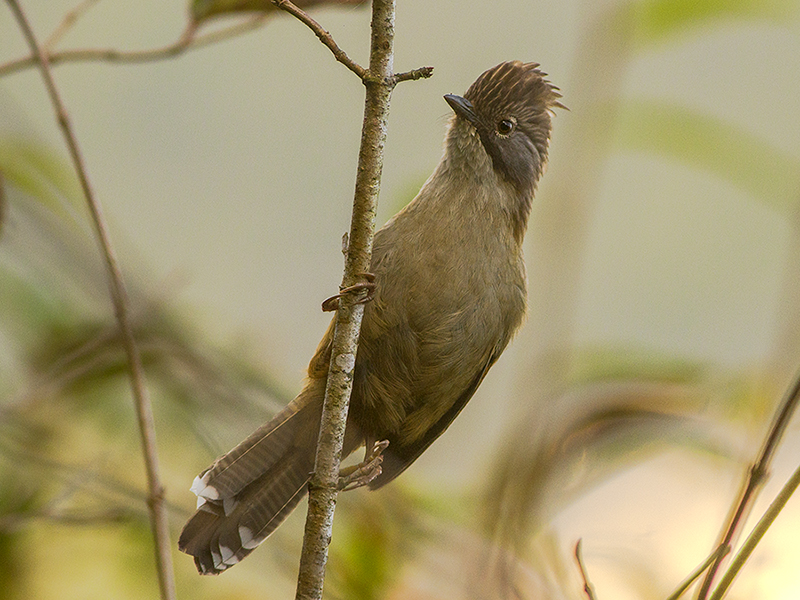
These species are often confused with the Red-collared Babbler due to similar appearance or overlapping range.