Rufous Babbler
Turdoides subrufa
Order: Passeriformes / Family: Leiothrichidae

Wikimedia Commons
About the Rufous Babbler
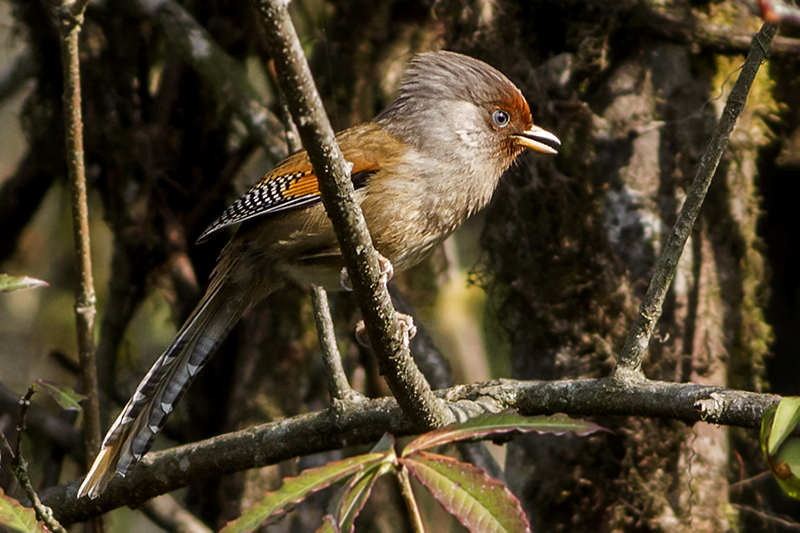
The Rufous Babbler, scientifically known as Turdoides subrufa, is a small to medium-sized bird inhabiting the Western Ghats of southern India. This species is part of the Leiothrichidae family, which includes several social and vocal birds known for their gregarious behavior and complex vocalizations. The Rufous Babbler is primarily found in evergreen and semi-evergreen forests, where it plays a crucial role in the ecosystem by aiding in seed dispersal and insect control. It often forages in small groups, which enhances its effectiveness in maintaining a balanced food web. The bird's rufous plumage allows it to blend seamlessly into the forest underbrush, providing excellent camouflage from predators.
The Rufous Babbler is significant not only for its ecological role but also as an indicator species for the health of its habitat. Changes in its population can reflect broader environmental shifts, making it a valuable species for conservationists. This bird is non-migratory, residing year-round in specific regions of Karnataka, Kerala, and Tamil Nadu. During the breeding season, which coincides with the monsoon months, the Rufous Babbler becomes particularly active. Its vocalizations increase in frequency and complexity as it establishes territories and seeks mates.
In addition to its ecological importance, the Rufous Babbler holds cultural significance for local communities. Its presence is often associated with the lush, vibrant forests of the Western Ghats, a region recognized for its rich biodiversity and endemic species. The bird's behavior and interactions with other species provide valuable insights for researchers studying avian social structures. Conservation efforts aimed at preserving the Rufous Babbler's habitat not only benefit this species but also the myriad of flora and fauna that share its environment.
The Rufous Babbler belongs to the family Leiothrichidae, within the order Passeriformes. These birds typically live typically 8-10 years in the wild, though detailed studies are lacking..
How to Identify a Rufous Babbler
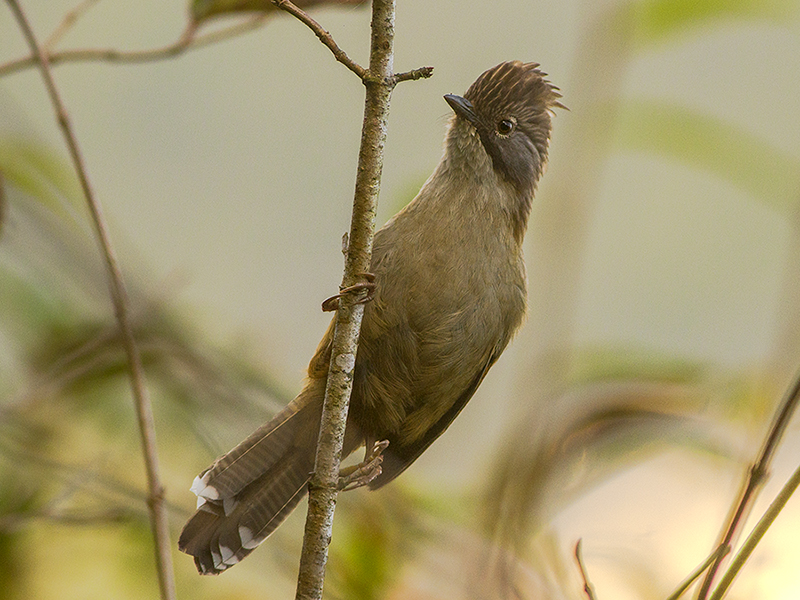
The Rufous Babbler is easily identified by its rich rufous-brown plumage, which covers most of its body. Its underparts are slightly paler compared to the darker tones on its back and wings. The bird's eyes are surrounded by a faint pale ring, adding a subtle contrast to its overall coloration. Juveniles resemble adults but may appear slightly duller and with less distinct eye rings. There is minimal sexual dimorphism, though males might occasionally present a marginally larger size.
This bird can be confused with other babblers, such as the Jungle Babbler, but the Rufous Babbler's overall rufous tone and specific habitat preferences help differentiate it. Its flight silhouette is typical of babblers, with rounded wings and a somewhat awkward, undulating flight pattern. When perched, the Rufous Babbler often appears active, with a slightly cocked tail and frequent movement among branches. Observers should note its active foraging behavior, which involves frequent hopping and quick flights between perches.
Having trouble telling birds apart? Upload a photo to our bird identification tool for an instant species match.
Rufous Babbler Habitat and Range
Preferred Habitat
The Rufous Babbler predominantly inhabits the dense, moist forests of the Western Ghats. It prefers evergreen and semi-evergreen forests, thriving in areas with thick underbrush and abundant leaf litter. This bird is typically found at elevations ranging from 600 to 2000 meters, where it takes advantage of the diverse vegetation for foraging and nesting.
While primarily a forest dweller, the Rufous Babbler also makes occasional appearances in plantations and secondary growth forests, provided there is sufficient cover. Its presence in urban areas is rare, as it favors the dense, undisturbed habitats of rural and forested regions. Seasonal shifts in habitat use are minimal, given its non-migratory nature, but it may adjust its foraging patterns slightly in response to food availability.
Geographic Range
The Rufous Babbler's range is restricted to the Western Ghats, a biodiversity hotspot in southern India. It is found predominantly in the states of Karnataka, Kerala, and Tamil Nadu. This bird does not undertake long migrations, but it may move locally to find optimal foraging grounds or breeding sites within its range.
Within this range, the Rufous Babbler is generally considered common in suitable habitats, though its distribution is patchy due to the specific environmental conditions it requires. Population density tends to be higher in regions with dense forest cover, where the bird's preferred food sources and nesting sites are abundant. Conservation efforts focus on preserving these critical habitats to ensure the Rufous Babbler's continued presence in the region.
Want to know which birds visit your area? Browse our backyard birds by location guides for region-specific species lists.
What Does the Rufous Babbler Eat?
The Rufous Babbler's diet consists primarily of insects and other small invertebrates, which it actively hunts among leaf litter and dense underbrush. It employs a foraging technique characterized by rapid hopping and probing, using its sharp bill to uncover hidden prey.
Seasonally, the Rufous Babbler may supplement its diet with berries and seeds, particularly during periods when insect abundance is low. Prey size varies but generally includes small beetles, ants, and caterpillars. The bird typically forages in small groups, which enhances its efficiency in locating food and allows for shared vigilance against predators.
The Rufous Babbler's feeding schedule is largely diurnal, with peak activity occurring in the early morning and late afternoon. This pattern aligns with the availability of prey, which tends to be more active during cooler parts of the day.
Rufous Babbler Behavior and Social Structure
The Rufous Babbler exhibits a highly social structure, often found in small, cohesive groups. These groups maintain territories, which they defend vigorously through vocalizations and displays. Territorial disputes involve a combination of loud calls and physical posturing, with actual physical confrontations being rare.
During the breeding season, the Rufous Babbler engages in complex courtship displays, which include synchronized movements and vocal duets between potential mates. These displays serve to strengthen pair bonds and ensure successful mating. Flocking patterns are flexible, with group sizes varying depending on food availability and habitat conditions.
The Rufous Babbler's response to predators involves a combination of alarm calls and evasive maneuvers. Group members alert each other to the presence of threats, allowing the entire flock to take cover in dense foliage. Daily activity patterns include periods of intense foraging interspersed with rest and social interactions.
Rufous Babbler Nesting and Reproduction
The Rufous Babbler typically constructs its nest in dense shrubs or low trees, using a variety of natural materials such as twigs, leaves, and fibers. Nests are cup-shaped and well-concealed within the foliage to protect from predators and harsh weather.
The preferred nesting sites are areas with abundant cover, ensuring both protection and proximity to foraging areas. Clutch size generally consists of 2 to 3 eggs, which the female incubates for about two weeks. Both parents participate in feeding the chicks, providing a mix of insects and plant matter.
Fledging occurs approximately 14 to 16 days post-hatching, during which time the young are highly dependent on parental care. The Rufous Babbler typically raises one brood per year, although in optimal conditions, a second brood may be attempted.
Rufous Babbler Sounds and Vocalizations
The Rufous Babbler's primary song is a series of melodious, flute-like notes delivered in a rhythmic sequence. Its calls vary, including sharp alarm notes used to alert group members to potential threats. These calls are harsh and carry well through dense vegetation.
During the dawn chorus, the Rufous Babbler's song is particularly prominent, serving both to establish territory and to facilitate communication within the flock. The quality of its song can be likened to the clear and varied tones produced by a small flute, with subtle variations in pitch and rhythm that add complexity.
Interesting Facts About the Rufous Babbler
- 1The Rufous Babbler is one of the few bird species endemic to the Western Ghats, highlighting its unique ecological niche.
- 2Groups of Rufous Babblers exhibit cooperative breeding behavior, with non-breeding individuals helping to raise chicks.
- 3Despite its limited range, the Rufous Babbler remains common due to its adaptability to various forest types within its range.
- 4This species can often be detected by its distinctive, melodious song, which stands out in the dense forests it inhabits.
- 5The Rufous Babbler's social structure involves complex vocal interactions, akin to a form of avian 'language.'
- 6In some regions, the Rufous Babbler is known as the 'jungle chatterer' due to its incessant and varied vocalizations.
- 7Its foraging technique, which involves flipping leaves and twigs, is crucial for uncovering hidden insect prey.
Rufous Babbler Conservation Status
Classified as Least Concern by the IUCN, the Rufous Babbler benefits from relatively stable population trends, although habitat loss poses a significant threat. Deforestation and land conversion for agriculture reduce available habitat, impacting local populations. Conservation efforts focus on preserving the Western Ghats' forest ecosystems, which support not only the Rufous Babbler but also numerous other endemic species. Protected areas and wildlife reserves play a crucial role in these efforts, providing refuges where the bird can thrive without the pressures of habitat degradation.