Scaly Chatterer
Turdoides aylmeri
Order: Passeriformes / Family: Leiothrichidae

Wikimedia Commons
About the Scaly Chatterer
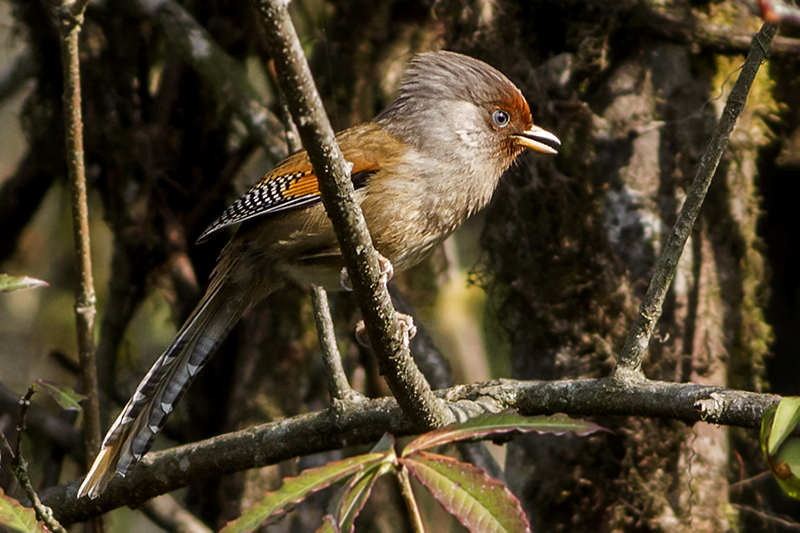
The Scaly Chatterer, known scientifically as Turdoides aylmeri, is a captivating member of the Leiothrichidae family. This medium-sized bird is renowned for its unique scaly plumage pattern, which serves as a key identifier among bird enthusiasts. The Scaly Chatterer inhabits the arid and semi-arid regions of Eastern Africa, predominantly found in countries such as Ethiopia, Somalia, and Kenya. These birds have adapted remarkably well to their harsh environments, playing a crucial ecological role in their ecosystems. As omnivores, they help control insect populations and contribute to seed dispersal, thereby influencing the structure and composition of their habitats. During the dry season, these birds are resourceful, often seen foraging in mixed-species flocks to maximize their food intake. In contrast, the wet season witnesses an increase in territorial behaviors, as food supply becomes more abundant and predictable. The Scaly Chatterer's adaptability to seasonal changes in food availability and habitat conditions underscores its importance in the ecological balance of its native regions.
The Scaly Chatterer belongs to the family Leiothrichidae, within the order Passeriformes. These birds typically live average 5-6 years, with a maximum recorded of 8 years..
How to Identify a Scaly Chatterer
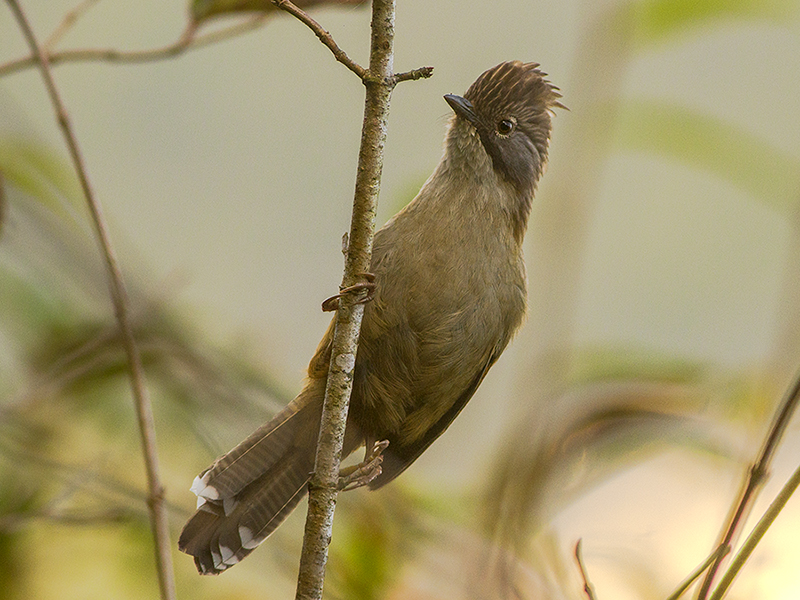
The Scaly Chatterer exhibits a striking plumage with its namesake scaly pattern on the breast and upperparts, which provides excellent camouflage in its arid habitat. Adult birds display a predominantly brownish-gray coloration, while juveniles may appear slightly duller with less defined scaling. Males and females look similar, making sexing in the field challenging without behavioral observation. Their flight pattern is direct and somewhat undulating, with wings that are broad relative to their body size. When perched, the Scaly Chatterer maintains a slightly hunched posture, often with its head held high, scanning the surroundings. This bird can sometimes be confused with other Turdoides species, such as the Arrow-marked Babbler, but the Scaly Chatterer's less prominent facial markings and more uniform scaling help differentiate it.
Having trouble telling birds apart? Upload a photo to our bird identification tool for an instant species match.
Scaly Chatterer Habitat and Range
Preferred Habitat
The Scaly Chatterer resides in dry, sparsely vegetated areas, favoring scrublands, thorn bushes, and acacia-dominated regions. It thrives at elevations ranging from sea level up to 1,500 meters, demonstrating a preference for semi-arid conditions. Seasonally, the bird may shift slightly within its range, seeking out areas where food sources are more plentiful following rains. While primarily found in rural settings, the Scaly Chatterer occasionally ventures into the outskirts of small villages, seeking food and shelter. Its presence near human settlements often reflects the overlap between natural and cultivated landscapes, where it can exploit new feeding opportunities.
Geographic Range
The Scaly Chatterer's range stretches across the Horn of Africa, encompassing territories in Ethiopia, Somalia, and northeastern Kenya. It is a non-migratory species that maintains a relatively stable presence throughout its range year-round. Within these countries, it occupies specific regions characterized by scrub and thorn bush habitats. The population density of the Scaly Chatterer tends to be higher in areas where its preferred habitat is most prevalent, such as the Ogaden region of Ethiopia and parts of central Somalia. These areas provide the necessary conditions for breeding, feeding, and shelter.
Want to know which birds visit your area? Browse our backyard birds by location guides for region-specific species lists.
What Does the Scaly Chatterer Eat?
The Scaly Chatterer predominantly feeds on insects, such as beetles and caterpillars, which it forages actively from leaves and branches. It also consumes a variety of seeds and berries, making it an important agent for seed dispersal. During the dry season, when insects are less abundant, the Scaly Chatterer shifts its diet more towards seeds and fruits. Foraging typically occurs in the early morning and late afternoon, when temperatures are more moderate. This bird often joins mixed-species flocks, a behavior that enhances its foraging efficiency and protection from predators.
Scaly Chatterer Behavior and Social Structure
Social by nature, the Scaly Chatterer is often observed in small groups or family units, engaging in cooperative behaviors such as foraging and mobbing predators. Territorial during the breeding season, they display aggressive behaviors to defend their nesting sites. Courtship rituals involve vocal duets and synchronized movements, strengthening pair bonds. Outside the breeding season, they may join larger flocks, which provide safety in numbers. Their response to predators includes alarm calls and mobbing, showcasing their complex social structure and communication skills. Daily activities are most intense during cooler parts of the day, reflecting their adaptation to arid environments.
Scaly Chatterer Nesting and Reproduction
The nesting habits of the Scaly Chatterer involve constructing cup-shaped nests using twigs, grass, and leaves, often placed in thorny bushes or low trees. These nests are usually built at heights ranging from 1 to 3 meters above ground, providing protection from ground-dwelling predators. A typical clutch consists of 2 to 4 eggs, which both parents incubate for approximately 14 to 16 days. After hatching, the young fledge in about 17 to 20 days, during which both parents actively feed and protect them. The Scaly Chatterer typically raises one or two broods per year, depending on environmental conditions and food availability.
Scaly Chatterer Sounds and Vocalizations
The Scaly Chatterer's primary song features a series of melodious, flute-like notes, often delivered in a duet by a mated pair. Their calls include sharp 'chack' notes used for communication within groups. Alarm calls are rapid and repetitive, serving as a warning to other birds about potential threats. During the dawn chorus, their vocalizations are particularly prominent, contributing to the soundscape of their arid habitats. These sounds are integral to maintaining social bonds and coordinating group activities.
Interesting Facts About the Scaly Chatterer
- 1The Scaly Chatterer can be found in flocks of up to 15 individuals, showcasing its social nature.
- 2Despite living in arid environments, the Scaly Chatterer seldom visits open water, deriving moisture from its food.
- 3Known for its vocal versatility, the Scaly Chatterer often mimics other species in its calls.
- 4The species plays a crucial role in controlling locust populations, a significant agricultural pest.
- 5Scaly Chatterers exhibit cooperative breeding, with helpers assisting in raising young.
- 6Their nests are often located in thorny bushes, providing protection from predators.
- 7The Scaly Chatterer's song is particularly vibrant during the breeding season, aiding in mate attraction.
Scaly Chatterer Conservation Status
The IUCN currently lists the Scaly Chatterer as a species of Least Concern, reflecting a stable population trend. However, habitat destruction due to agricultural expansion and overgrazing poses potential threats. Conservation efforts focus on habitat preservation and monitoring population dynamics. Historical records indicate that the Scaly Chatterer has maintained a consistent population size, suggesting resilience in the face of environmental pressures. Continued efforts to protect its natural habitat will be crucial for its long-term survival.