Silver-eared Mesia
Leiothrix argentauris
Order: Passeriformes / Family: Leiothrichidae

Wikimedia Commons
About the Silver-eared Mesia
The Silver-eared Mesia, Leiothrix argentauris, is an enchanting songbird belonging to the family Leiothrichidae. Found primarily in the tropical regions of Southeast Asia, this bird captivates birders and naturalists with its vivid plumage and melodious vocalizations. The Silver-eared Mesia thrives in the dense undergrowth of subtropical and tropical moist montane forests, ranging from northeast India across southern China to the Malay Peninsula. Its adaptability to different elevations, from lowland areas to mountains reaching 2500 meters, showcases its resilience and versatility. This bird plays a significant ecological role as both a seed disperser and insect predator. By consuming a diverse diet that includes fruits, seeds, and insects, the Silver-eared Mesia helps maintain the health of its habitat's ecosystem. Its preference for dense foliage provides excellent cover for foraging, nesting, and escaping predators. The seasonal behaviors of the Silver-eared Mesia vary slightly depending on its location. While it generally remains resident throughout its range, local movements in search of food are common. In some parts of its range, such as the Himalayas, it may descend to lower elevations during the colder months. As a social bird, the Silver-eared Mesia often joins mixed-species foraging flocks, enhancing its feeding efficiency while simultaneously reducing the risk of predation. Observing these birds in their natural habitat offers a glimpse into the complex interactions between species in such biodiverse regions. Their presence in a given area serves as an indicator of a healthy forest ecosystem. The Silver-eared Mesia's striking appearance and vibrant song make it a beloved subject of study for ornithologists and bird enthusiasts alike. Its ecological importance, combined with its aesthetic appeal, underscores the need for ongoing conservation efforts to preserve its natural habitat and ensure its continued survival. Understanding the Silver-eared Mesia's role within its ecosystem contributes to a broader appreciation of the intricate web of life in Southeast Asia's montane forests.
The Silver-eared Mesia belongs to the family Leiothrichidae, within the order Passeriformes. These birds typically live average 6-8 years, with some individuals living up to 10 years..
How to Identify a Silver-eared Mesia
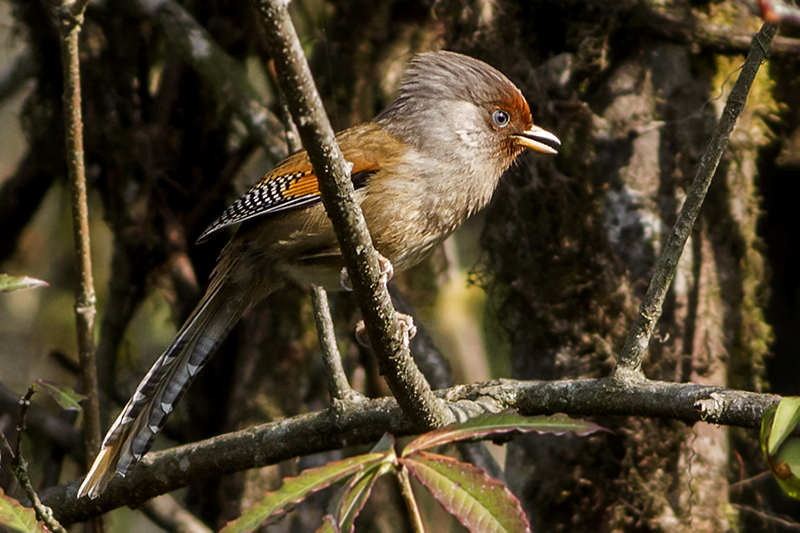
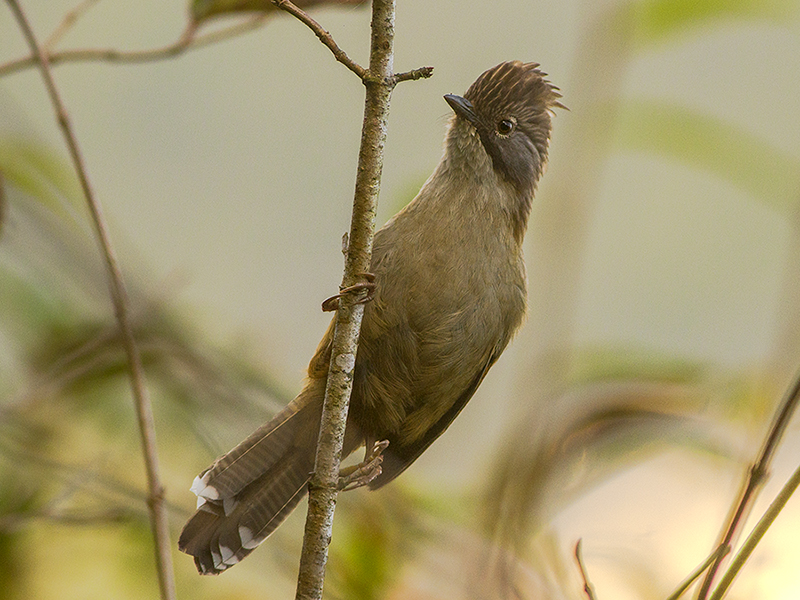
The Silver-eared Mesia is easily recognizable due to its bright and contrasting plumage. Adult birds exhibit a striking combination of colors: a predominantly olive-green body with a vibrant yellow throat and breast. The distinctive silver ear coverts, from which it derives its name, are set against a contrasting black cap, giving it a bold and unmistakable appearance. The wings are adorned with a prominent red patch, and the tail is marked with orange tips, adding to the bird's kaleidoscope of colors. Juvenile Silver-eared Mesias are less vividly colored, exhibiting a more subdued olive tone and lacking the full intensity of the adult's red and yellow markings. Both sexes are similar in appearance, although males are often slightly more vibrant than females. In flight, the Silver-eared Mesia presents a compact silhouette, with its short, rounded wings and tail allowing for agile movements through dense vegetation. When perched, it adopts an alert posture, with a slightly cocked tail and a curious, active demeanor. While the Silver-eared Mesia's bright colors make it relatively easy to identify, it could be confused with the Red-billed Leiothrix in overlapping regions. However, the Silver-eared Mesia's distinct silver ear patches and black cap provide reliable distinguishing features. Observers should note these field marks when attempting to identify this species in its natural habitat.
Having trouble telling birds apart? Upload a photo to our bird identification tool for an instant species match.
Silver-eared Mesia Habitat and Range
Preferred Habitat
The Silver-eared Mesia inhabits a variety of forested environments, with a strong preference for dense, moist montane forests. These birds thrive in the undergrowth of subtropical and tropical forests, often at elevations ranging from 300 to 2500 meters. In the Himalayan regions, they are a common sight in rhododendron and oak forests, where they find ample food and shelter. During the breeding season, these birds favor areas with abundant cover, such as thickets and secondary growth forests, which provide suitable nesting sites. In areas like southern China and northern Thailand, the Silver-eared Mesia can be found in bamboo groves and forest edges, demonstrating its adaptability to different forest types. While primarily a forest bird, it occasionally ventures into gardens and parks, particularly in areas where its natural habitat is adjacent to urban or suburban settings. Seasonal habitat shifts are subtle, with some populations moving to lower elevations during colder months, especially in regions with significant altitudinal gradients. Despite these movements, the Silver-eared Mesia remains largely resident within its range, relying on its adaptability to various forest habitats for survival.
Geographic Range
The Silver-eared Mesia has a broad distribution across Southeast Asia. Its breeding range extends from the eastern Himalayas of India and Nepal through Bhutan and into southern China, including the provinces of Yunnan and Guangxi. The range continues southward through Myanmar, Thailand, Laos, and Vietnam, reaching the Malay Peninsula. In these regions, the Silver-eared Mesia is a resident bird, exhibiting only limited local movements in response to seasonal changes in food availability. While not a long-distance migrant, it may undertake altitudinal migrations, particularly in mountainous areas where heavy snowfall and harsh weather drive it to lower elevations. Within its range, population density is often highest in areas with extensive montane forest cover, such as the forests of northern Thailand and the mountainous regions of Vietnam. These areas provide the ideal combination of food resources and suitable nesting sites. The Silver-eared Mesia's presence across such a wide range of countries underscores its adaptability to different environments, although habitat loss and fragmentation pose significant threats to its continued distribution.
Want to know which birds visit your area? Browse our backyard birds by location guides for region-specific species lists.
What Does the Silver-eared Mesia Eat?
The Silver-eared Mesia has a varied diet that reflects its omnivorous feeding habits. Primarily, it consumes a mix of fruits, seeds, and insects, which it finds within the dense undergrowth of its forest habitat. The bird's diet changes with the seasons, aligning with the availability of different food sources. During the breeding season, when energy demands are high, it focuses on protein-rich insects and their larvae. The Silver-eared Mesia employs a variety of foraging techniques, often seen gleaning insects from leaves and branches or capturing flying insects in mid-air. It also hops along the forest floor, searching for fallen fruits and seeds. The bird's strong, conical bill is well-suited for cracking open seeds and accessing the soft flesh of fruits. Prey size varies, but typically includes small arthropods and caterpillars. These birds usually feed in the early morning and late afternoon, taking advantage of the cooler parts of the day to forage actively. When part of a mixed-species flock, the Silver-eared Mesia benefits from increased foraging efficiency and safety, as the presence of other species helps reduce the risk of predation.
Silver-eared Mesia Behavior and Social Structure
The Silver-eared Mesia is a social and active bird, often found in pairs or small groups. During the non-breeding season, it frequently joins mixed-species foraging flocks, which can include other babblers, warblers, and flycatchers. Such flocking behavior provides increased foraging success and protection from predators. Within its social structure, Silver-eared Mesias exhibit a cooperative and cohesive approach to feeding and territory defense. Territorial during the breeding season, they become more aggressive towards intruders, using vocalizations and displays to deter rivals. Courtship displays involve a combination of song, mutual preening, and the offering of food between mates. These behaviors strengthen pair bonds and enhance reproductive success. The Silver-eared Mesia's daily activities include periods of intense foraging interspersed with rest and preening. It shows a particularly robust response to predator threats, emitting alarm calls to alert other birds of danger. The presence of humans, however, is often tolerated, especially in areas where the birds have become accustomed to human activity.
Silver-eared Mesia Nesting and Reproduction
The nesting habits of the Silver-eared Mesia reflect its preference for dense forest habitats. It constructs a cup-shaped nest, expertly woven from twigs, leaves, and grasses, often lined with softer materials such as feathers or moss. Nests are typically situated in shrubs or small trees, at heights ranging from 1 to 3 meters above ground, providing concealment from predators. The typical clutch size is 2 to 4 eggs, which are pale blue with reddish-brown speckles. The incubation period lasts approximately 14 days, with both parents sharing the responsibility of keeping the eggs warm. After hatching, the chicks are altricial, requiring constant care and feeding. Both parents participate in feeding the young, bringing a diet rich in insects to ensure rapid growth. The fledging period lasts about 12 to 14 days, after which the young birds leave the nest but remain under parental care for several weeks. The Silver-eared Mesia usually raises one or two broods per year, depending on environmental conditions and food availability.
Silver-eared Mesia Sounds and Vocalizations
The vocal repertoire of the Silver-eared Mesia is both varied and melodious. Its primary song is a series of clear, whistling notes delivered in a rhythmic pattern, often described as a cheerful and repetitive phrase. The song is typically performed by males, especially during the breeding season, to establish territory and attract a mate. In addition to its primary song, the Silver-eared Mesia emits a range of call notes, including soft churrs and sharp, metallic calls used for communication within flocks. Alarm calls are harsher and more urgent, serving to alert other birds to potential threats. The Silver-eared Mesia participates actively in the dawn chorus, with its song contributing to the vibrant cacophony of the forest at sunrise. Its vocalizations, while distinctive, may remind listeners of other melodious forest songbirds, though its unique combination of rhythm and tone sets it apart.
Interesting Facts About the Silver-eared Mesia
- 1The Silver-eared Mesia was once a popular cage bird due to its colorful plumage and sweet song.
- 2These birds can often be seen in mixed-species flocks, enhancing their foraging success by collaborating with other species.
- 3Despite their vibrant colors, Silver-eared Mesias blend seamlessly into the foliage, showcasing their excellent camouflage skills.
- 4The species name 'argentauris' refers to the Latin for 'silver' and 'ear,' highlighting the bird's distinctive ear patches.
- 5In some cultures, the Silver-eared Mesia's song is believed to bring good luck and is revered for its melodious quality.
- 6This bird's adaptability to different forest types has allowed it to thrive despite habitat changes in its native regions.
- 7Silver-eared Mesias play a key role in their ecosystems by controlling insect populations and dispersing seeds.
Silver-eared Mesia Conservation Status
Currently, the Silver-eared Mesia is classified as Least Concern by the IUCN, with a stable population trend across most of its range. However, habitat loss due to deforestation and land conversion for agriculture poses a significant threat to its long-term survival. Conservation efforts focus on preserving the montane forest habitats that are crucial for the Silver-eared Mesia's survival. Protected areas in countries like Thailand and Vietnam provide important refuges for this species, ensuring that key habitats remain intact. In areas where population declines have been observed, habitat restoration and reforestation projects aim to reverse negative trends. Historically, the Silver-eared Mesia's population remained robust due to its wide distribution and adaptability, but continued vigilance is necessary to mitigate the impacts of human activities and climate change.