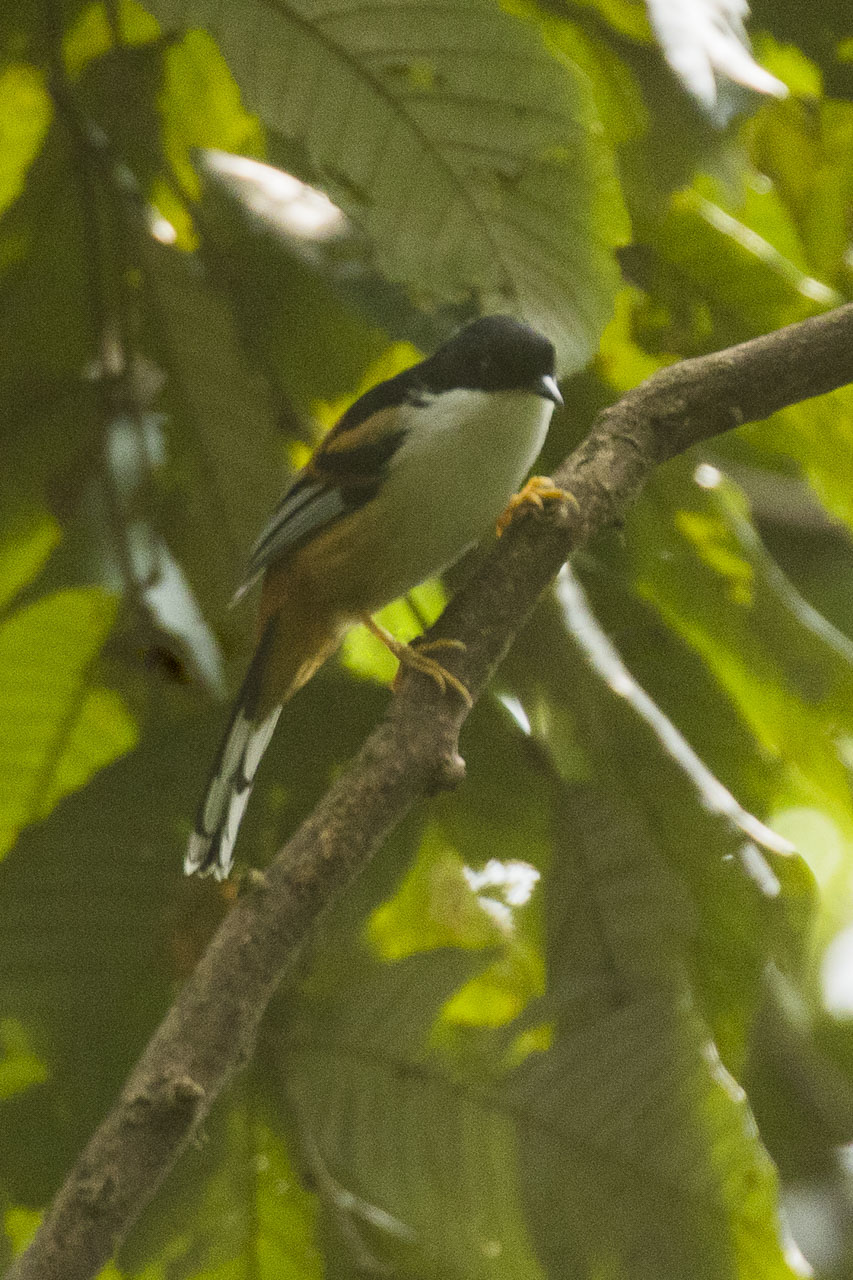
Steere's Liocichla
Liocichla steerii
Order: Passeriformes / Family: Leiothrichidae

Wikimedia Commons
About the Steere's Liocichla
The Steere's Liocichla (Liocichla steerii) is a medium-sized bird found predominantly in the lush montane forests of Taiwan. This bird is a member of the Leiothrichidae family, known for its vibrant plumage and distinctive vocalizations. The Steere's Liocichla plays a significant role in its ecosystem as both a seed disperser and an insect predator. Its presence in the forest understory contributes to the biological diversity of its habitat and helps maintain the balance between plant and insect populations. This species is typically found at elevations ranging from 1,000 to 2,500 meters, where the dense undergrowth and varied plant life create an ideal environment.
In terms of ecological significance, the Steere's Liocichla aids in the regeneration of forest areas by dispersing seeds from the fruits it consumes. It often forages in mixed-species flocks, a behavior that not only increases feeding efficiency but also enhances protection against predators. Seasonal behaviors of the Steere's Liocichla are closely tied to the availability of food resources. During the breeding season, which spans from March to June, the bird becomes more territorial and vocal, establishing and defending its nesting area.
The Steere's Liocichla prefers the subtropical and temperate forest zones, where it feeds on a diverse diet of fruits, insects, and other small invertebrates. Its adaptability to different food sources across seasons underscores its resilience in the face of habitat changes. However, the species remains sensitive to large-scale environmental disturbances, such as deforestation and habitat fragmentation, which pose significant threats to its population sustainability. Conservation efforts are crucial to preserving the rich biodiversity of Taiwan's montane forests, where the Steere's Liocichla remains a key ecological player.
The Steere's Liocichla belongs to the family Leiothrichidae, within the order Passeriformes. These birds typically live average 4-6 years with the potential for up to 8 years..
How to Identify a Steere's Liocichla
The Steere's Liocichla is easily recognizable by its bright green plumage and striking red facial markings. Adult birds showcase a rich olive-green body with a bold red face and throat, accompanied by a conspicuous black crown. The wings are adorned with black and red patches, forming a striking contrast that aids in visual identification. Juveniles, while similar in overall body shape, exhibit duller coloration, lacking the intense red hues prominent in adults. This distinction becomes more apparent as young birds mature and develop their adult plumage.
Sexual dimorphism in Steere's Liocichla is subtle, with males and females appearing largely similar. However, males may display slightly more vibrant coloration during the breeding season. The bird's silhouette in flight is characterized by broad, rounded wings and a short tail, which contribute to its agile maneuverability through densely vegetated forest habitats. When perched, the Steere's Liocichla often adopts an upright posture, showcasing its vibrant colors against the verdant backdrop of its environment.
Confusion with other species is relatively rare due to the bird's unique coloration and habitat preferences. However, novice birders might mistake it for similar-sized forest-dwelling birds with overlapping ranges. Observers should note the combination of green and red plumage as a distinguishing feature. The bird's vocalizations also serve as useful identification cues, with its calls being distinct from those of sympatric species.
Having trouble telling birds apart? Upload a photo to our bird identification tool for an instant species match.
Steere's Liocichla Habitat and Range
Preferred Habitat
Steere's Liocichla thrives in the montane forests of Taiwan, where dense undergrowth and a cool, moist climate provide optimal living conditions. These forests, primarily composed of broadleaf evergreen trees and bamboo, support a rich tapestry of biodiversity. The bird is typically found at elevations between 1,000 and 2,500 meters, where the environment supports a complex ecosystem of flora and fauna. Within these habitats, the Steere's Liocichla occupies the understory and mid-canopy layers, where it forages for food and seeks shelter.
Seasonal habitat shifts for the Steere's Liocichla are minimal, as the bird is largely non-migratory. Instead, it remains within its preferred montane forest environment year-round, adapting its behavior and diet to seasonal variations in resource availability. In terms of urban presence, the Steere's Liocichla shows a strong preference for rural, forested areas over urban landscapes, underscoring its reliance on intact natural habitats for survival.
Geographic Range
The Steere's Liocichla is endemic to Taiwan, where it inhabits the island's central and northern mountain ranges. This species' range is limited to the subtropical and temperate montane forests that characterize Taiwan's diverse topography. Unlike many other bird species, the Steere's Liocichla does not undertake long-distance migrations. Instead, it remains within its breeding and non-breeding range year-round, taking advantage of the island's stable climate and abundant resources.
Population density hotspots for the Steere's Liocichla are typically associated with areas of high forest cover and low human disturbance. The bird's distribution is closely linked to the availability of its preferred habitat, with more extensive populations found in regions where conservation practices have preserved substantial tracts of forest. Although the Steere's Liocichla is not considered highly migratory, the bird may engage in altitudinal movements in response to seasonal changes in food availability.
Want to know which birds visit your area? Browse our backyard birds by location guides for region-specific species lists.
What Does the Steere's Liocichla Eat?
The diet of the Steere's Liocichla is diverse, primarily consisting of fruits, insects, and other small invertebrates. During the breeding season, the bird's diet shifts towards a higher intake of protein-rich insects, which are crucial for chick development. In contrast, during the non-breeding season, the Steere's Liocichla consumes a greater proportion of fruits and seeds, taking advantage of the seasonal abundance of these resources in its montane forest habitat.
Foraging techniques employed by the Steere's Liocichla involve gleaning insects from leaves and branches, as well as plucking fruits from shrubs and trees. The bird is known to forage both alone and in mixed-species flocks, which enhances feeding efficiency and reduces the risk of predation. Prey size varies, with the bird targeting insects that range from small beetles to larger caterpillars. Feeding typically occurs during daylight hours, with peaks in activity during the early morning and late afternoon.
Steere's Liocichla Behavior and Social Structure
Steere's Liocichla exhibits a complex social structure, often forming monogamous pairs during the breeding season. Territorial behavior becomes pronounced during this time, with males engaging in vocal displays to assert dominance and deter rivals. Courtship displays include a combination of vocalizations and physical displays, where males fan their tails and puff their chest feathers to attract potential mates.
Outside of the breeding season, Steere's Liocichla often joins mixed-species flocks, a behavior that provides safety in numbers and enhances foraging success. In response to predators, the bird relies on its cryptic coloration and dense vegetation for concealment, often freezing in place to avoid detection. Daily activity patterns of the Steere's Liocichla are diurnal, with most foraging and social interactions occurring during daylight hours.
Steere's Liocichla Nesting and Reproduction
The nesting habits of Steere's Liocichla are closely tied to the dense vegetation of its montane forest habitat. The bird constructs cup-shaped nests using materials such as twigs, leaves, and moss, often positioning them in the forks of small trees or shrubs. These nests are typically located at heights of 1 to 3 meters above ground, providing protection against ground predators.
Clutch size for the Steere's Liocichla ranges from 2 to 4 eggs, which are incubated by both parents for a period of about 14 to 16 days. After hatching, the chicks remain in the nest for an additional 12 to 14 days before fledging. Both parents share in feeding and caring for the young, with the female often taking a more active role in brooding. The Steere's Liocichla generally raises one to two broods per year, depending on environmental conditions and resource availability.
Steere's Liocichla Sounds and Vocalizations
The vocal repertoire of the Steere's Liocichla is rich and varied, characterized by a melodic warbling song that comprises a series of clear, flutelike notes. The primary song is often delivered from a concealed perch within dense foliage, serving both to attract mates and to establish territorial boundaries. Call notes are sharp and metallic, often used in communication between individuals in a flock. Alarm calls are distinct and harsh, alerting conspecifics to potential threats. During the dawn chorus, the Steere's Liocichla's song contributes to the vibrant soundscape of the montane forest, its clear tones echoing through the canopy.
Interesting Facts About the Steere's Liocichla
- 1The Steere's Liocichla's vibrant red face is a key field mark, helping birders easily identify it despite the dense forest habitat.
- 2This species is named after Joseph Beal Steere, an American ornithologist who contributed significantly to the study of Southeast Asian birds.
- 3Steere's Liocichla often forages in mixed-species flocks, which enhances its feeding efficiency while providing protection from predators.
- 4Despite being endemic to Taiwan, the Steere's Liocichla shows little variation between populations, exhibiting strong genetic consistency.
- 5Pairs of Steere's Liocichlas often engage in duets, with their melodious calls echoing through the montane forests.
- 6The species plays an important ecological role by dispersing seeds, aiding in the regeneration of its forest habitat.
- 7Steere's Liocichla's preference for dense undergrowth provides it with effective camouflage against predators.
Steere's Liocichla Conservation Status
The Steere's Liocichla is currently classified as Least Concern by the IUCN, with a stable population trend. However, habitat loss due to deforestation and agricultural expansion poses a significant threat to its continued survival. In recent years, conservation efforts have focused on preserving the montane forests of Taiwan, which are crucial for maintaining biodiversity. Protected areas and national parks play a key role in safeguarding the habitats of the Steere's Liocichla, ensuring that these vibrant birds continue to thrive in their natural environment. Historical population changes have been minimal, with the species maintaining a consistent presence within its native range.
Other Leiothrichidae Species

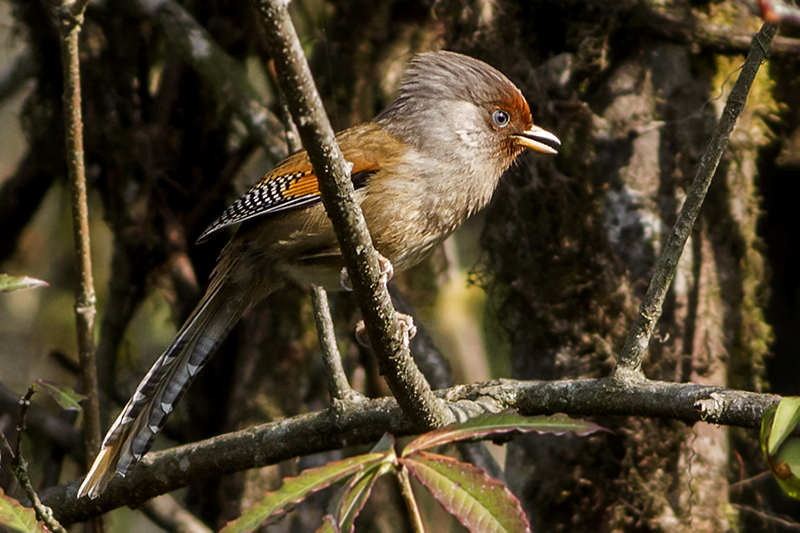

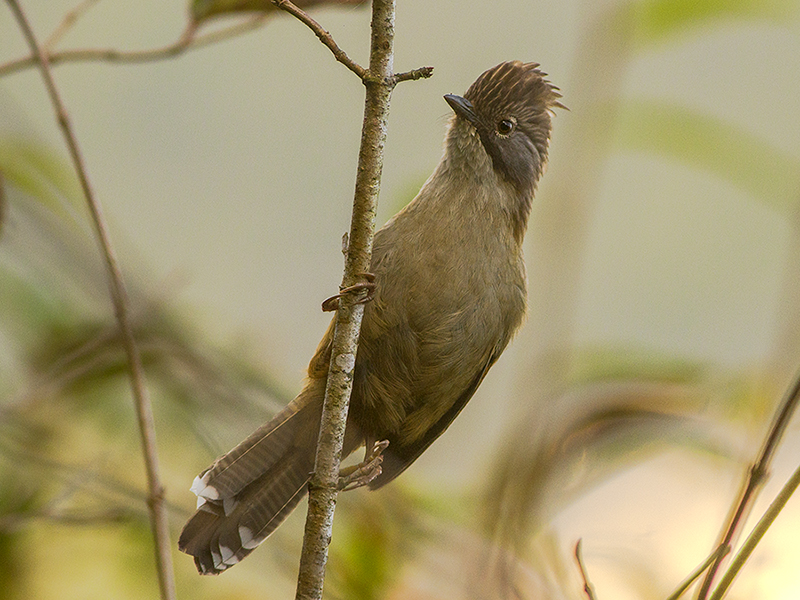
Birds Similar to the Steere's Liocichla
These species are often confused with the Steere's Liocichla due to similar appearance or overlapping range.