Sumatran Mesia
Leiothrix laurinae
Order: Passeriformes / Family: Leiothrichidae

Wikimedia Commons
About the Sumatran Mesia
The Sumatran Mesia (Leiothrix laurinae), a captivating bird species, belongs to the Leiothrichidae family and inhabits the dense subtropical and tropical forests of Sumatra. This avian jewel is particularly renowned for its strikingly colorful plumage and enchanting vocalizations, making it a favorite among birdwatchers and ornithologists alike. The Sumatran Mesia thrives in the island's montane forests, where its presence signifies the rich biodiversity of the region. These birds exhibit a remarkable adaptability to their environment, playing a crucial role in maintaining the ecological balance of their habitat. The mesia's bright colors not only aid in attracting mates but also serve a purpose in their social interactions, which are complex and fascinating.
Significantly, the Sumatran Mesia acts as an essential seed disperser within its ecosystem. Its diet, rich in various fruits and insects, helps in the propagation of plant species, thus contributing to forest regeneration. The species' presence is a vital indicator of forest health, as they tend to flourish in well-preserved environments. Seasonal behaviors of the Sumatran Mesia include shifts in foraging habits and subtle changes in social structure, which align with the availability of food resources. These birds are generally non-migratory, maintaining territories that provide ample resources throughout the year.
The Sumatran Mesia's ecological role extends beyond seed dispersal, as it also assists in insect population control. By preying on insects, the mesia helps maintain a balanced ecosystem, preventing the overpopulation of certain species that could otherwise harm plant life. Their vocal prowess, featuring a repertoire of complex songs, adds a unique acoustic dimension to their habitats. These songs not only serve as communication tools among individuals but also enhance the auditory landscape of the forests they inhabit. The Sumatran Mesia, therefore, stands as an emblem of the vibrant and interdependent ecosystems of Sumatra, underscoring the importance of conservation efforts to preserve these habitats.
The Sumatran Mesia belongs to the family Leiothrichidae, within the order Passeriformes. These birds typically live 5-7 years, with a maximum recorded of 9 years.
How to Identify a Sumatran Mesia
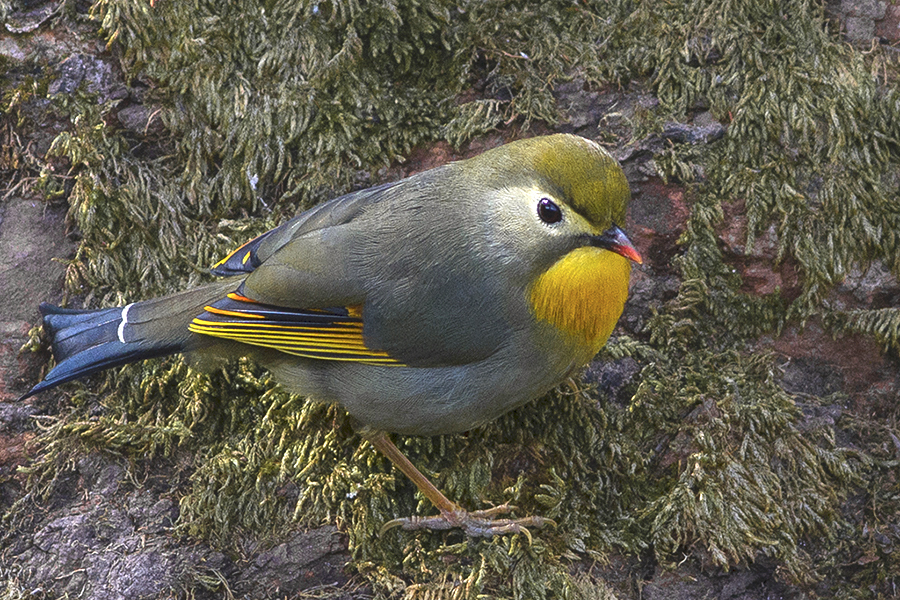
Identifying the Sumatran Mesia involves observing its vivid and varied plumage. Adult individuals showcase a striking combination of colors, with bright yellow underparts, a rich olive-green back, and an eye-catching red patch on the wings. The head is adorned with a black crown and a white throat, providing a sharp contrast to the rest of the body. Males and females exhibit similar coloration, though males slightly outperform in vibrancy. Juveniles, on the other hand, possess a more subdued palette, lacking the full intensity of adult plumage.
In the field, the Sumatran Mesia can be confused with other Leiothrichidae family members, yet its distinctive red wing patch serves as a reliable differentiator. When perched, this species often adopts an alert posture, showcasing its broad wings and slightly fanned tail. In flight, the mesia demonstrates a swift and agile silhouette, with rapid wingbeats and a short, rounded tail aiding in maneuverability through dense foliage. The Sumatran Mesia's coloration and behavior make it an unmistakable presence in its natural habitat.
Field marks such as the black crown and white throat are particularly useful when distinguishing this mesia from similar species in overlapping regions. The combination of these features, along with the characteristic calls, ensures accurate identification for seasoned birders and newcomers alike. The Sumatran Mesia's unique appearance and song contribute to its status as a memorable and sought-after bird in the rich tapestry of Sumatra's avifauna.
Having trouble telling birds apart? Upload a photo to our bird identification tool for an instant species match.
Sumatran Mesia Habitat and Range
Preferred Habitat
The Sumatran Mesia predominantly inhabits the montane forests of Sumatra, thriving in elevations ranging from 800 to 2500 meters. These birds favor dense, humid environments where they can find ample food and shelter. The mesia frequently occupies the understory and mid-canopy layers, where it can forage effectively while remaining concealed from predators.
Throughout the year, the Sumatran Mesia shows a preference for primary and secondary forests, often avoiding heavily disturbed areas. It is not commonly found in urban settings, as it requires the complex structure of forest habitats to meet its ecological needs. Seasonal habitat shifts are minimal, as the species is largely sedentary, relying on the consistent availability of resources within its established territories.
The Sumatran Mesia's reliance on forested environments underscores the importance of habitat conservation efforts in the region. Protecting these habitats not only ensures the mesia's survival but also supports the myriad of other species that make up Sumatra's rich biodiversity. The bird's presence is a testament to the ecological integrity of these forested landscapes.
Geographic Range
The Sumatran Mesia's range is highly specific, confined to the island of Sumatra in Indonesia. Its presence is largely restricted to the montane regions, where it occupies the humid, forested slopes of the island's mountain ranges. The bird's range does not extend beyond Sumatra, making it an endemic species of considerable interest to conservationists and ecologists.
During the breeding season, the Sumatran Mesia remains within its established territories, as its non-migratory nature allows it to exploit the consistent resources available in its habitat. There are no significant migration corridors for this species, as it does not undertake long-distance movements. Instead, the mesia exhibits a degree of territoriality, with individuals and pairs occupying well-defined areas within the forest.
Population density hotspots for the Sumatran Mesia are typically found in regions with well-preserved forest ecosystems. Areas such as the Kerinci Seblat National Park and other conservation areas supporting montane forests are critical for maintaining viable populations. The species' limited range highlights the necessity of focused conservation efforts to protect its habitat from the threats of deforestation and habitat degradation.
Want to know which birds visit your area? Browse our backyard birds by location guides for region-specific species lists.
What Does the Sumatran Mesia Eat?
The Sumatran Mesia exhibits a diverse diet primarily composed of fruits and insects, reflecting its role as both a frugivore and insectivore. The bird often forages for small berries, seeds, and soft fruits, which provide essential nutrients and aid in seed dispersal. Insects, particularly caterpillars and beetles, form a significant portion of the mesia's diet, offering protein crucial for energy and growth.
Seasonal variations in food availability influence the Sumatran Mesia's diet, with a marked increase in fruit consumption during the wet season when fruits are more abundant. Conversely, the dry season may see a shift towards a higher intake of insects. The mesia employs a variety of foraging techniques, including gleaning from leaves and branches and occasionally sallying to catch flying insects.
The bird's feeding schedule is generally diurnal, with peak foraging activity occurring in the early morning and late afternoon. Prey size typically ranges from small to medium, with the mesia exhibiting impressive agility in capturing and consuming its food. The Sumatran Mesia's dietary habits underscore its adaptability and its integral role in the ecosystem as both a consumer and a seed disperser.
Sumatran Mesia Behavior and Social Structure
The Sumatran Mesia displays complex social structures, often forming small family groups or loose flocks. These social units facilitate cooperative foraging and provide protection against predators. Territorial behavior is prominent during the breeding season, with pairs defending their nesting territories vigorously. Courtship displays involve a combination of vocal performances and visual displays, where males showcase their vibrant plumage to attract females.
Flocking patterns vary with the seasons, as the mesia may join mixed-species flocks outside the breeding period to enhance foraging efficiency and reduce predation risks. These flocks can include other small insectivorous and frugivorous birds, benefiting from the combined vigilance and increased foraging opportunities.
Daily activity patterns of the Sumatran Mesia include bouts of active feeding interspersed with periods of rest and preening. The bird's response to predators involves both vocal alarms and evasive flights, often retreating into dense vegetation for cover. The mesia's behaviors are integral to its survival, enhancing its ability to thrive in the challenging environments of Sumatra's forests.
Sumatran Mesia Nesting and Reproduction
Nesting for the Sumatran Mesia involves constructing a cup-shaped nest, typically located in the fork of a tree or shrub within dense forest undergrowth. The nests are made from a combination of twigs, leaves, and moss, providing a well-camouflaged and secure site for raising young. Nest location preferences are influenced by the availability of suitable sites and the need for concealment from predators.
Clutch size generally ranges from two to four eggs, with both parents participating in the incubation process. The incubation period lasts approximately 14 to 16 days, after which the chicks hatch. Parental roles are shared, with both the male and female contributing to feeding and caring for the young.
Fledging occurs about 12 to 14 days post-hatching, with the young birds gradually gaining independence. The Sumatran Mesia typically raises one to two broods per year, depending on environmental conditions and food availability. The nesting habits of the Sumatran Mesia highlight the importance of undisturbed forest areas for successful reproduction.
Sumatran Mesia Sounds and Vocalizations
The Sumatran Mesia is known for its melodious and complex song, characterized by a series of clear, flute-like notes that vary in pitch and rhythm. The primary song often includes repeated phrases, with a quality that is both musical and distinctive. Call notes are shorter and sharper, serving as contact calls between individuals or as alerts.
Alarm calls are harsh and rapid, used to warn conspecifics of potential threats. During the dawn chorus, the mesia's song can be heard resonating through the forest, creating a captivating soundscape. The bird's vocalizations serve multiple purposes, including mate attraction, territory defense, and social cohesion within flocks.
Interesting Facts About the Sumatran Mesia
- 1The Sumatran Mesia's song repertoire can include over 20 different song types, each serving a specific communicative function.
- 2Despite its vibrant colors, the Sumatran Mesia's nest is ingeniously camouflaged, blending seamlessly with the surrounding foliage.
- 3The bird's red wing patch is not just for show; it plays a crucial role in visual communication, especially during courtship displays.
- 4Sumatran Mesias are highly adaptive and can thrive in both primary and secondary forests, provided there is sufficient canopy cover.
- 5The Sumatran Mesia participates in mixed-species flocks, which can include over a dozen different bird species, enhancing foraging success.
- 6These birds have a specialized tongue that aids in extracting nectar from flowers, though they primarily feed on fruits and insects.
- 7The Sumatran Mesia's territory size can range from 0.5 to 1.5 hectares, depending on habitat quality and resource availability.
Sumatran Mesia Conservation Status
The Sumatran Mesia currently holds a conservation status of Near Threatened on the IUCN Red List. The primary threat to the species is habitat loss due to deforestation and land conversion for agriculture. As forests are cleared, the mesia's habitat diminishes, leading to population declines. Conservation efforts focus on habitat preservation, with several national parks and protected areas in Sumatra providing sanctuary for the species. Despite these efforts, the mesia's population trend remains concerning, necessitating continued action to safeguard its future. Historical population changes indicate a decline correlating with increased human activity and forest degradation. The Sumatran Mesia's status serves as a reminder of the broader environmental challenges facing Sumatra's biodiversity.
Other Leiothrichidae Species


Birds Similar to the Sumatran Mesia
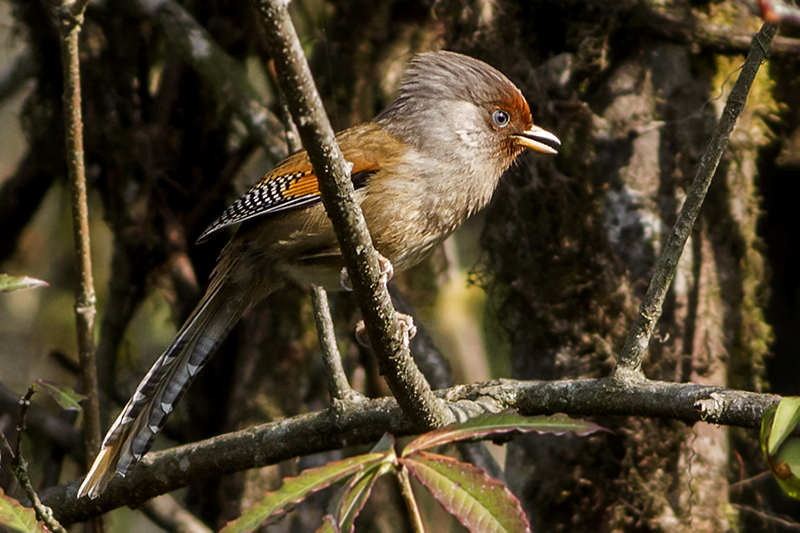
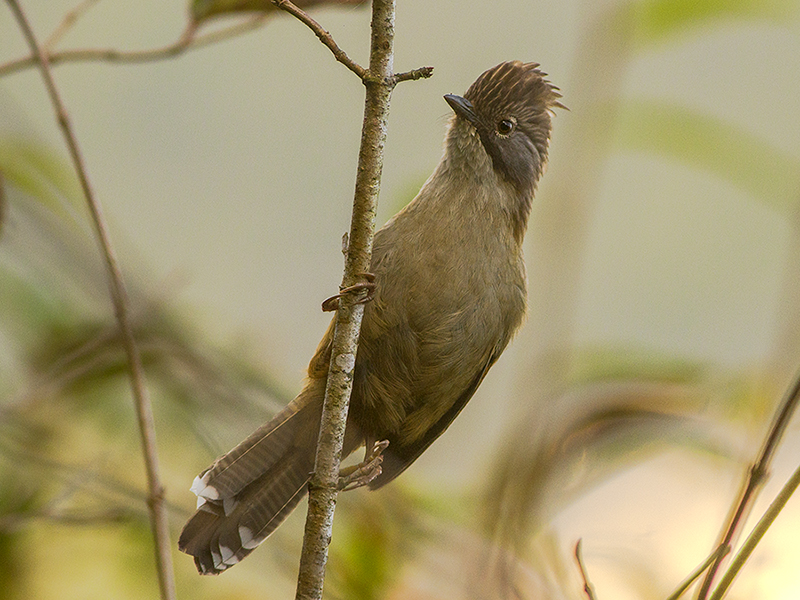
These species are often confused with the Sumatran Mesia due to similar appearance or overlapping range.