
Chestnut-sided Shrike-Vireo
Vireolanius melitophrys
Order: Passeriformes / Family: Vireonidae

Wikimedia Commons
About the Chestnut-sided Shrike-Vireo
The Chestnut-sided Shrike-Vireo, scientifically known as Vireolanius melitophrys, is a striking member of the Vireonidae family. This medium-sized songbird is renowned for its vibrant plumage and melodious song, making it a favorite among birdwatchers and ornithologists alike. It inhabits montane forests, primarily in Mexico and parts of Central America, where it plays a crucial role as both predator and prey in its ecosystem. The bird's significance extends beyond its ecological role; its striking appearance and distinctive vocalizations have made it a subject of interest for many bird enthusiasts. The Chestnut-sided Shrike-Vireo's ecological niche involves controlling insect populations, thereby contributing to the health of the forests it inhabits. Its presence in these habitats indicates a healthy, balanced ecosystem. The bird's seasonal behaviors are influenced by the availability of food and breeding requirements. During the breeding season, which typically occurs from March to July, these birds become more territorial, exhibiting increased vocal activity to defend their nesting areas. Outside of the breeding season, they may form small flocks, often mixed with other bird species, as they forage for food. The Chestnut-sided Shrike-Vireo's ability to adapt to different environmental conditions is a testament to its resilience, yet it remains vulnerable to habitat destruction due to deforestation and land use changes. Efforts to conserve its habitat are critical for maintaining its population and the ecological balance it supports.
The Chestnut-sided Shrike-Vireo belongs to the family Vireonidae, within the order Passeriformes. These birds typically live average 6 years with max recorded of 9 years..
How to Identify a Chestnut-sided Shrike-Vireo
The Chestnut-sided Shrike-Vireo is easily recognizable by its vivid chestnut sides, contrasting with its olive-green back and wings. Adults display a distinctive black mask stretching from the beak through the eyes, accentuated by a white supercilium. The underparts are predominantly white, providing a stark contrast to the chestnut flanks. Juveniles are similar in appearance but may show duller colors and less defined markings. Males and females are similar in plumage, though females might have slightly less intense coloration. In the field, the bird's robust bill and rounded wings are notable features. It may be confused with other vireos, such as the Green Shrike-Vireo, but the Chestnut-sided Shrike-Vireo's chestnut sides and black mask are reliable distinguishing marks. Its flight silhouette is compact and agile, with a rapid wingbeat, while its perching posture is upright and alert, often seen scanning the surrounding area for insects.
Having trouble telling birds apart? Upload a photo to our bird identification tool for an instant species match.
Chestnut-sided Shrike-Vireo Habitat and Range
Preferred Habitat
The Chestnut-sided Shrike-Vireo primarily inhabits montane forests, thriving in the dense, humid environments provided by these ecosystems. It is commonly found at elevations ranging from 1,200 to 2,500 meters. The bird favors the mid to upper canopy layers of oak and pine-oak forests, where it can find abundant food and suitable nesting sites. While it primarily resides in rural and forested areas, it is occasionally observed in mature secondary growth forests. Seasonal habitat shifts are minimal, as the bird remains largely within its montane forest range throughout the year, adjusting its altitudinal preferences slightly in response to climatic changes. Its presence in urban areas is rare, typically limited to well-forested parks or gardens near its natural habitats.
Geographic Range
The Chestnut-sided Shrike-Vireo's range is primarily restricted to Mexico and parts of Central America. In Mexico, it is found from the Sierra Madre Occidental and Oriental mountain ranges southward through the highlands of Oaxaca and Chiapas. The bird's range extends into western Guatemala, where it inhabits similar montane forest environments. This species is largely non-migratory, remaining within its breeding and foraging territory year-round. However, some altitudinal movements may occur, with individuals descending to lower elevations during colder months. Population density hotspots are typically found in regions with extensive montane forests, where the rich biodiversity supports a stable food supply.
Want to know which birds visit your area? Browse our backyard birds by location guides for region-specific species lists.
What Does the Chestnut-sided Shrike-Vireo Eat?
The Chestnut-sided Shrike-Vireo primarily feeds on insects, making it an essential component of insect population control within its habitat. Its diet includes caterpillars, beetles, and other small arthropods, which it skillfully gleans from foliage in the forest canopy. The bird employs a combination of visual acuity and quick, darting movements to capture prey. During the breeding season, its diet remains insect-centric to support the nutritional needs of its young. In addition to insects, the Chestnut-sided Shrike-Vireo supplements its diet with small fruits and berries, particularly in the non-breeding season when insects are less abundant. This dietary flexibility allows it to thrive in varying environmental conditions.
Chestnut-sided Shrike-Vireo Behavior and Social Structure
The Chestnut-sided Shrike-Vireo exhibits a blend of social and territorial behaviors. During the breeding season, pairs establish and defend territories aggressively, often using vocalizations to deter rivals. Their courtship displays involve synchronized movements and vocal exchanges between mates. Outside the breeding season, these birds may join mixed-species flocks, enhancing foraging efficiency and predator detection. The bird's response to predators includes alarm calls and evasive flight maneuvers, often leading potential threats away from nesting sites. Daily activity patterns are diurnal, with peak activity occurring in the early morning and late afternoon when temperatures are cooler and insect activity is highest.
Chestnut-sided Shrike-Vireo Nesting and Reproduction
Nesting for the Chestnut-sided Shrike-Vireo involves constructing a cup-shaped nest, carefully woven from grasses, leaves, and spider silk. These nests are typically placed in the fork of a tree branch, concealed by foliage to protect against predators. The preferred nest height ranges from 2 to 10 meters above ground. A typical clutch consists of 2 to 4 eggs, which are incubated primarily by the female over a period of 14 to 16 days. Both parents participate in feeding the chicks once they hatch. Fledging occurs about 12 to 14 days after hatching, with the young remaining dependent on the parents for several weeks. Generally, the species produces one brood per year, although favorable conditions may lead to a second.
Chestnut-sided Shrike-Vireo Sounds and Vocalizations
The primary song of the Chestnut-sided Shrike-Vireo is a series of melodious phrases, often described as rich and flute-like. These phrases vary in pitch and rhythm, creating a complex and engaging vocal display. Call notes are shorter, sharper sounds used for communication between mates and within flocks. The bird's alarm calls are distinct, consisting of rapid, repetitive notes designed to alert others to potential danger. During the dawn chorus, the Chestnut-sided Shrike-Vireo's song contributes to the vibrant symphony of sounds that define the montane forest soundscape.
Interesting Facts About the Chestnut-sided Shrike-Vireo
- 1The Chestnut-sided Shrike-Vireo's chestnut coloration serves as camouflage, blending with the reddish-brown hues of the forest floor.
- 2Despite its vibrant plumage, this bird is more often heard than seen, as it prefers to remain within the dense canopy.
- 3The species' name, 'melitophrys,' derives from Greek, referring to its honey-like song.
- 4Chestnut-sided Shrike-Vireos can be elusive, often detected first by their distinctive calls before being spotted visually.
- 5Their cup-shaped nests are meticulously crafted, showcasing the bird's impressive weaving skills.
- 6Unlike some vireo species, the Chestnut-sided Shrike-Vireo does not undertake long migrations, remaining close to its breeding grounds year-round.
- 7This bird's diet diversification, including fruit consumption, helps it withstand periods of insect scarcity.
Chestnut-sided Shrike-Vireo Conservation Status
The Chestnut-sided Shrike-Vireo is currently listed as Least Concern by the IUCN, with stable population trends observed in many parts of its range. However, habitat destruction due to deforestation poses a significant threat to its populations. Conservation efforts focus on preserving montane forest habitats through protected areas and sustainable land management practices. Historically, the bird's population has remained relatively stable, but ongoing environmental pressures necessitate continued conservation vigilance to ensure its long-term survival.
Other Vireonidae Species
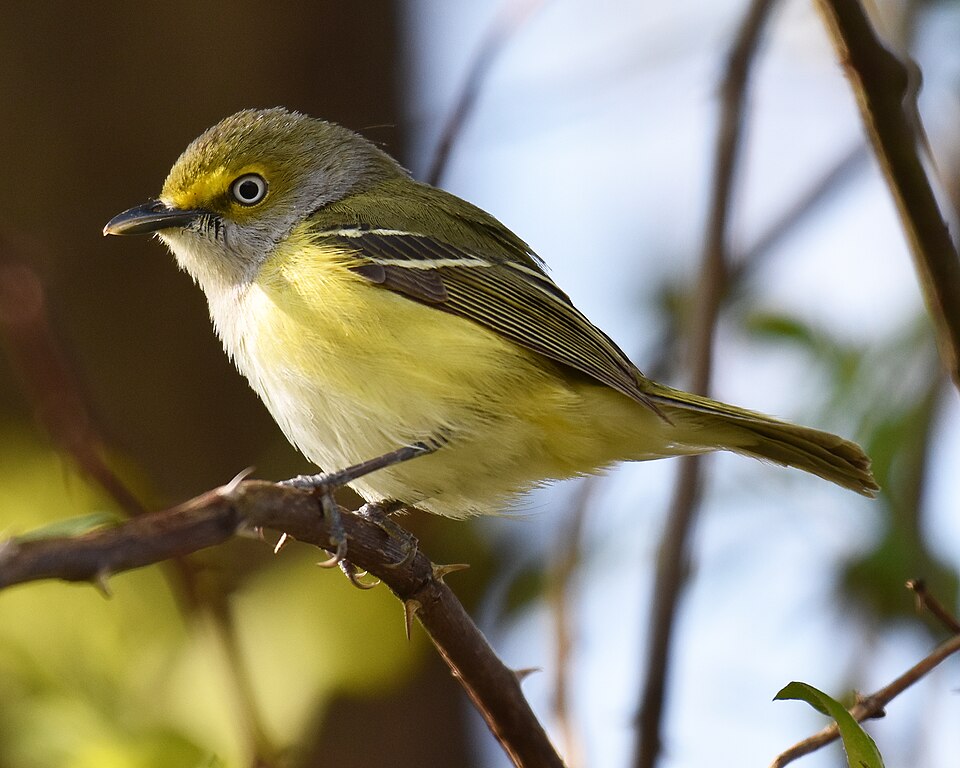

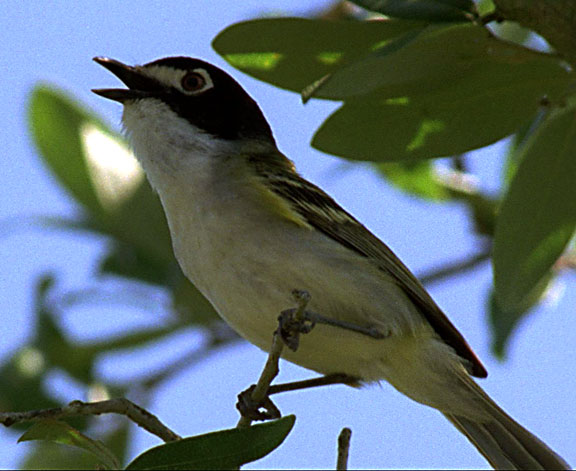

Birds Similar to the Chestnut-sided Shrike-Vireo
These species are often confused with the Chestnut-sided Shrike-Vireo due to similar appearance or overlapping range.
