
Gray Vireo
Vireo vicinior
Order: Passeriformes / Family: Vireonidae

Wikimedia Commons
About the Gray Vireo
The Gray Vireo, scientifically known as Vireo vicinior, is a small but significant member of the Vireonidae family. This nondescript songbird inhabits the arid scrublands and deserts of the southwestern United States and northwestern Mexico, playing a crucial role in these ecosystems as both a predator and prey species. Its presence in these regions is essential for the control of insect populations, as the Gray Vireo primarily feeds on small arthropods. In particular, it targets caterpillars, beetles, and spiders, which are abundant in its xeric habitats. During the breeding season, the Gray Vireo is known to frequent areas with a mix of juniper and oak woodlands, exhibiting a preference for elevations ranging between 900 to 2,300 meters. The bird's breeding range encompasses parts of Arizona, New Mexico, Utah, Nevada, and southern California, extending into the Mexican states of Sonora and Chihuahua. In these areas, it often nests in the fork of a shrub or low tree, constructing a cup-like structure with twigs and plant fibers. Seasonal behaviors are notable in the Gray Vireo. In spring and summer, it engages in its characteristic singing, with males delivering a series of short, buzzy notes to establish territories and attract mates. This vocal activity is crucial for maintaining breeding territories and ensuring reproductive success. With the onset of fall, the Gray Vireo migrates southward to its wintering grounds in Baja California and western Mexico. During this period, its diet shifts slightly to include more fruits and berries, supplementing its primary insectivorous diet. The Gray Vireo's ecological role extends beyond its dietary habits. As a prey species, it supports a variety of predators, including raptors and snakes, contributing to the overall health and balance of its ecosystem. Its nesting habits also provide opportunities for parasitism by the Brown-headed Cowbird, a relationship that has sparked interest and concern among conservationists. The Gray Vireo's subtle plumage and understated presence belie its ecological significance, making it a subject of ongoing study and fascination for ornithologists.
The Gray Vireo belongs to the family Vireonidae, within the order Passeriformes. These birds typically live average lifespan of 5 years with a maximum recorded of 7 years..
How to Identify a Gray Vireo
The Gray Vireo is a small songbird, measuring approximately 13-14 cm in length and weighing around 12-15 grams. Its plumage is predominantly gray, providing excellent camouflage against the arid landscapes it inhabits. Adult Gray Vireos exhibit a uniform gray coloration on their upperparts, with slightly paler underparts. A distinguishing feature is the subtle white eye-ring, which sets them apart from other vireos. Juvenile Gray Vireos resemble adults but may display a faint buffy wash on their underparts. Both sexes appear similar, making it difficult to distinguish males from females in the field. However, during the breeding season, males may be more vocal, aiding identification by behavior rather than appearance. In comparison to similar species, such as the Plumbeous Vireo, the Gray Vireo lacks the pronounced wing bars and has a more muted plumage. Its flight silhouette is characterized by short, rounded wings and a moderate tail length, facilitating agile movements through dense shrubbery. When perched, the Gray Vireo often adopts an upright posture, occasionally flicking its tail, which is a typical behavior of many vireos. This species is less conspicuous than some of its relatives, often requiring keen observation and patience to spot in its natural habitat.
Having trouble telling birds apart? Upload a photo to our bird identification tool for an instant species match.
Gray Vireo Habitat and Range
Preferred Habitat
The Gray Vireo favors arid and semi-arid environments, thriving in desert scrub, chaparral, and pinyon-juniper woodlands. These habitats offer the dense shrubbery and scattered trees ideal for foraging and nesting. The bird is commonly found at elevations ranging from 900 to 2,300 meters, where it exploits the diverse microhabitats available within these zones. Seasonal habitat shifts occur as the Gray Vireo migrates to slightly lower elevations during winter months, seeking milder climates and more abundant food sources. In urban areas, sightings are rare, as the Gray Vireo prefers the quietude and natural cover of rural, undisturbed landscapes over developed environments. This preference underscores the species' reliance on specific habitat types for survival and reproduction.
Geographic Range
The breeding range of the Gray Vireo includes the southwestern United States and northwestern Mexico, specifically in states such as Arizona, New Mexico, Nevada, Utah, and southern California. In Mexico, it inhabits parts of Sonora and Chihuahua. During the non-breeding season, the vireo migrates to its wintering grounds in Baja California and western Mexico, extending its range into regions like Sinaloa. Migration corridors are primarily concentrated along the Pacific Flyway, where the bird utilizes stopover habitats to rest and refuel. Population density hotspots occur in regions such as the Mogollon Rim in Arizona and the Chihuahuan Desert, where suitable habitats are plentiful. Despite its somewhat restricted range, the Gray Vireo maintains a stable presence within these areas, contributing to the avian diversity of the southwestern deserts.
Want to know which birds visit your area? Browse our backyard birds by location guides for region-specific species lists.
What Does the Gray Vireo Eat?
The Gray Vireo's diet is primarily insectivorous, with a strong preference for small arthropods such as caterpillars, beetles, and spiders. This dietary choice is well-suited to its arid habitat, where such prey is abundant. During the breeding season, the bird actively forages in shrubs and low trees, gleaning insects from leaves and branches. Its foraging technique is deliberate and methodical, often involving short flights and quick movements to capture prey. In winter, the Gray Vireo supplements its diet with fruits and berries, including those of mistletoe and juniper, which provide essential nutrients and moisture. The bird's feeding schedule is largely diurnal, with peak foraging activity occurring in the early morning and late afternoon, correlating with the availability of prey.
Gray Vireo Behavior and Social Structure
The Gray Vireo exhibits a solitary and territorial behavior, especially during the breeding season. Males establish and defend territories through song, a series of short, buzzy notes that serve to deter rivals and attract potential mates. Courtship displays involve subtle movements and vocalizations, with the male often feeding the female as part of the bonding process. Outside the breeding season, the Gray Vireo may form loose associations with other bird species, particularly during migration. Its response to predators includes a range of alarm calls and discreet movements to avoid detection. Daily activity patterns are largely dictated by the availability of food and the need for thermoregulation, with the bird seeking shade during the hottest parts of the day.
Gray Vireo Nesting and Reproduction
The nesting habits of the Gray Vireo involve the construction of a cup-shaped nest, typically located in the fork of a shrub or low tree. The nest is composed of twigs, grasses, and plant fibers, providing a secure environment for the eggs. Clutch size ranges from three to four eggs, which are incubated by both parents for 12 to 14 days. After hatching, the fledglings remain in the nest for an additional 11 to 13 days before venturing out. Parental roles are shared, with both male and female participating in feeding and protecting the young. The species typically raises one brood per year, although favorable conditions may allow for a second attempt. Nesting success is influenced by factors such as habitat quality and predation pressure.
Gray Vireo Sounds and Vocalizations
The primary song of the Gray Vireo is characterized by a series of short, buzzy notes delivered in a steady rhythm. This song serves as both a territorial and courtship display, often heard during the early morning hours of the breeding season. Call notes include sharp, metallic chips that serve as communication between mates and signals of alarm when predators are near. During the dawn chorus, the Gray Vireo's song blends with those of other desert-dwelling species, creating a vibrant soundscape that marks the start of the day. The bird's vocalizations are distinct yet subtle, requiring attentive listening to discern its presence among the cacophony of desert life.
Interesting Facts About the Gray Vireo
- 1The Gray Vireo migrates up to 1,500 kilometers between its breeding and wintering grounds, illustrating its impressive endurance.
- 2Despite its drab plumage, the Gray Vireo's song is a key identifier, allowing birders to locate it by sound rather than sight.
- 3Gray Vireos often build their nests in juniper trees, which provide both camouflage and protection from the elements.
- 4The species' preference for arid habitats makes it a key indicator of ecosystem health in desert regions.
- 5Gray Vireos have been known to adapt their foraging techniques, using their bills to pry open pine cones in search of insects.
- 6The Gray Vireo's territorial song can be heard for up to 100 meters, a testament to its vocal strength relative to its size.
- 7During migration, Gray Vireos may join mixed-species flocks, benefiting from increased vigilance against predators.
Gray Vireo Conservation Status
The Gray Vireo is currently listed as a species of Least Concern by the IUCN, with stable population trends observed across its range. Primary threats include habitat loss due to urban development and land conversion, as well as pressures from parasitism by the Brown-headed Cowbird. Conservation efforts focus on habitat preservation and management, particularly in breeding and migration areas. Historical population changes have seen fluctuations in local abundance, but recent surveys indicate a resilient adaptive capacity in the face of environmental challenges. Continued monitoring and habitat protection remain crucial for ensuring the long-term viability of this species.
Other Vireonidae Species
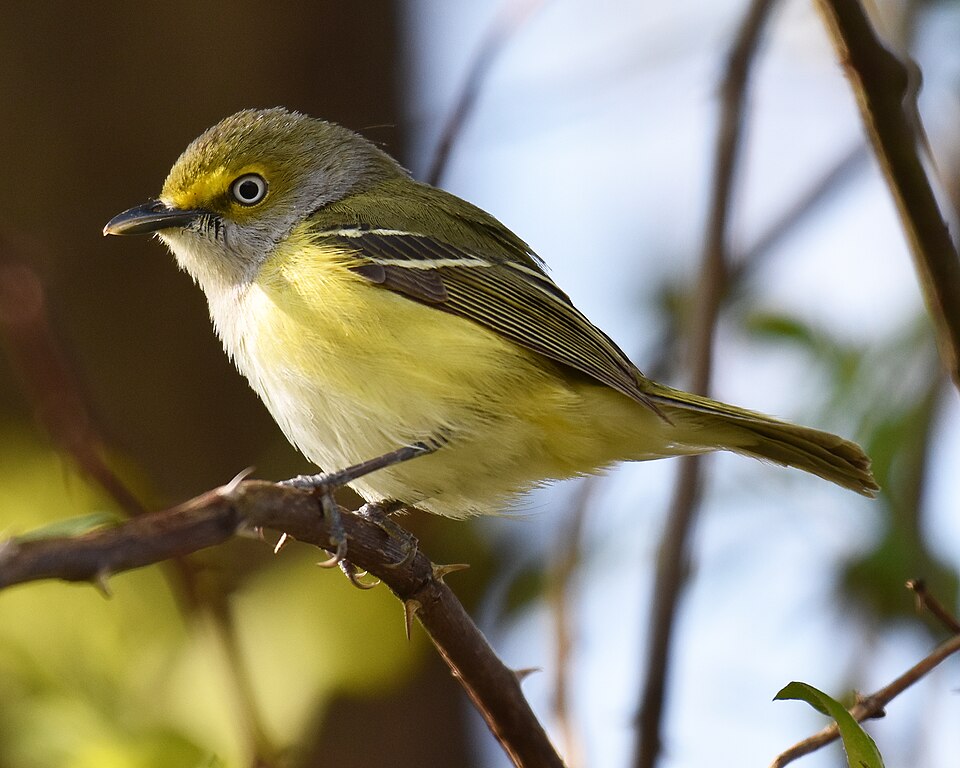

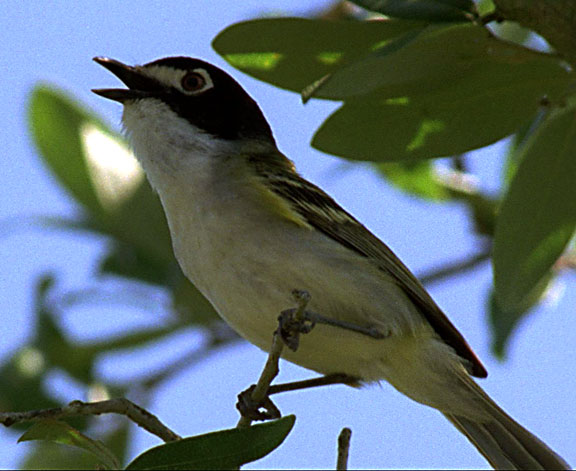

Birds Similar to the Gray Vireo
These species are often confused with the Gray Vireo due to similar appearance or overlapping range.

