
Dalat Shrike-Babbler
Pteruthius annamensis
Order: Passeriformes / Family: Vireonidae

Wikimedia Commons
About the Dalat Shrike-Babbler
The Dalat Shrike-Babbler, Pteruthius annamensis, is a vibrant and striking bird found primarily in the montane forests of Vietnam. This species is part of the Vireonidae family, which is known for its diverse and colorful members. This bird typically inhabits elevations ranging from 1,200 to 2,500 meters, where it frequents the dense undergrowth and forest edges. The Dalat Shrike-Babbler plays a crucial role in its ecosystem, contributing to insect control as it forages for a variety of arthropods, including caterpillars and beetles. It is also essential in seed dispersal, thus aiding in the maintenance of forest biodiversity. This bird exhibits seasonal behaviors that align with the availability of food resources. During the breeding season, which occurs in the spring and early summer, the Dalat Shrike-Babbler becomes highly vocal and territorial. The rest of the year, it is more subdued but remains active as it forms small, loosely-knit flocks with other babblers and songbirds, enhancing its foraging efficiency. Its presence is an indicator of healthy forest ecosystems, as it thrives in undisturbed habitats with a rich diversity of plant and insect life. Conservation efforts are vital to protect the Dalat Shrike-Babbler, as its habitat is increasingly threatened by deforestation and habitat fragmentation.
The Dalat Shrike-Babbler belongs to the family Vireonidae, within the order Passeriformes. These birds typically live average 4-5 years, with the longest recorded lifespan being 7 years..
How to Identify a Dalat Shrike-Babbler
The Dalat Shrike-Babbler is a medium-sized bird with a distinctive appearance that aids in its identification. Adult males exhibit a striking combination of colors with a rich olive-green back, a bright yellow belly, and a contrasting black head with a bold white stripe above the eye. Females and juveniles are slightly duller, with less pronounced head markings and a more subdued yellow on the underparts. Despite these differences, both sexes share the characteristic hooked bill, a feature common to shrike-babblers. In flight, the Dalat Shrike-Babbler presents a compact silhouette with short rounded wings and a slightly notched tail, which can help differentiate it from similar species. When perched, it often adopts an upright posture, surveying its surroundings with keen eyes. Confusion may arise with other shrike-babblers or similarly colored birds, but the combination of its distinctive head pattern and vocalizations generally facilitates accurate identification.
Having trouble telling birds apart? Upload a photo to our bird identification tool for an instant species match.
Dalat Shrike-Babbler Habitat and Range
Preferred Habitat
The Dalat Shrike-Babbler thrives in the montane forests of Vietnam, favoring elevations between 1,200 and 2,500 meters. It is predominantly found in the highlands of the Central Annamite Range, where it seeks out dense undergrowth and forest edges. This bird shows a preference for evergreen and mixed forests, where a rich diversity of plant and insect life supports its dietary needs. The Dalat Shrike-Babbler does not typically venture into urban areas, preferring the tranquility and resources of its natural forest habitat. Seasonal habitat shifts are minimal, as the bird remains within the montane regions year-round, taking advantage of the consistent environmental conditions provided by the forest canopy.
Geographic Range
The Dalat Shrike-Babbler's range is primarily restricted to the Central Highlands of Vietnam. It is a resident bird, meaning it does not undertake long migrations but may exhibit slight altitudinal movements in response to seasonal changes in food availability. The species is most frequently observed in the Annamite Mountains, extending into some adjacent highland areas. Within this range, population density can be quite variable, with certain forest patches hosting more individuals due to more abundant food resources or better habitat conditions. Its limited range and specialized habitat preferences make the Dalat Shrike-Babbler susceptible to habitat changes, emphasizing the need for targeted conservation efforts.
Want to know which birds visit your area? Browse our backyard birds by location guides for region-specific species lists.
What Does the Dalat Shrike-Babbler Eat?
In its montane forest habitat, the Dalat Shrike-Babbler primarily consumes a diet rich in insects and other small arthropods. Beetles, caterpillars, and spiders make up the bulk of its diet, supplemented occasionally by small fruits and seeds, particularly during times when insect prey is less abundant. This bird employs a methodical foraging technique, gleaning insects from leaves and branches with its hooked bill. It often joins mixed-species foraging flocks, which increase its foraging success by disturbing prey and allowing access to a greater variety of food sources. The Dalat Shrike-Babbler's diet remains relatively constant throughout the year, although the proportion of fruit consumed may increase slightly in the non-breeding season when insects are less plentiful.
Dalat Shrike-Babbler Behavior and Social Structure
The Dalat Shrike-Babbler displays a range of intriguing behaviors that reflect its adaptation to life in the montane forests. Socially, it is often seen in small groups or mixed-species flocks, which facilitate efficient foraging and defense against predators. This bird is territorial during the breeding season, using its vocalizations to establish dominance and keep rivals at bay. Courtship displays are subtle but involve mutual feeding and soft calls between mates. Outside the breeding season, the Dalat Shrike-Babbler becomes more social, joining flocks of other insectivorous birds to improve foraging efficiency. Its response to predators includes alarm calls and evasive flight, with the bird often seeking refuge in dense foliage. The daily activity pattern of the Dalat Shrike-Babbler involves foraging sessions in the morning and late afternoon, with periods of rest or preening during the hotter midday hours.
Dalat Shrike-Babbler Nesting and Reproduction
The nesting habits of the Dalat Shrike-Babbler are adapted to its forest environment. It builds a cup-shaped nest, often placed on a horizontal branch or in a fork of a tree, utilizing materials such as moss, leaves, and soft plant fibers to create a well-insulated structure. The typical clutch consists of two to three eggs, with both parents sharing incubation duties. The incubation period lasts approximately 14 to 16 days, after which the altricial chicks hatch. Both parents are involved in feeding the nestlings, providing a diet rich in protein to support rapid growth. Fledging occurs around 14 days after hatching, although the young continue to be dependent on the parents for food and protection for several weeks post-fledging. The Dalat Shrike-Babbler usually raises one brood per year, though conditions permitting, a second brood may be attempted.
Dalat Shrike-Babbler Sounds and Vocalizations
The vocal repertoire of the Dalat Shrike-Babbler is diverse and includes a variety of calls and songs. Its primary song is a melodious series of whistles and trills, delivered at a rapid tempo with a clear, ringing quality. This song is often heard during the breeding season, as males use it to establish territory and attract mates. The bird also emits several call notes, including a sharp 'chip' sound used for communication between mates or flock members. Alarm calls are more intense and carry a harsher tone, serving to alert nearby birds to potential threats. During the dawn chorus, the Dalat Shrike-Babbler contributes its voice to the symphony of forest sounds, its song standing out due to its distinctive rhythm and clarity.
Interesting Facts About the Dalat Shrike-Babbler
- 1The Dalat Shrike-Babbler is named after the city of Dalat in Vietnam, a region where it is commonly found.
- 2Despite its bright colors, the Dalat Shrike-Babbler can be challenging to spot due to its preference for dense foliage.
- 3The species was once grouped with Old World babblers but is now classified in the Vireonidae family due to genetic studies.
- 4The Dalat Shrike-Babbler often joins mixed-species flocks, increasing its foraging efficiency and reducing the risk of predation.
- 5This bird's song is a key component of the dawn chorus in its montane forest habitat, adding a unique melody to the environment.
- 6Both male and female Dalat Shrike-Babblers participate in nest building and chick rearing, showcasing a strong pair bond.
- 7The Dalat Shrike-Babbler's hooked bill is an adaptation that allows it to efficiently capture and consume a variety of insects.
Dalat Shrike-Babbler Conservation Status
The Dalat Shrike-Babbler is currently listed as Least Concern by the IUCN, but its population faces pressures primarily from habitat loss and fragmentation. Deforestation for agriculture and development poses the greatest threat to its montane forest habitat. Despite these challenges, the bird maintains stable population numbers in well-protected areas. Conservation efforts focus on preserving and restoring forest habitats, with some success in establishing protected zones within its range. Continued monitoring of population trends and habitat conditions is essential to ensure the long-term survival of the Dalat Shrike-Babbler.
Other Vireonidae Species
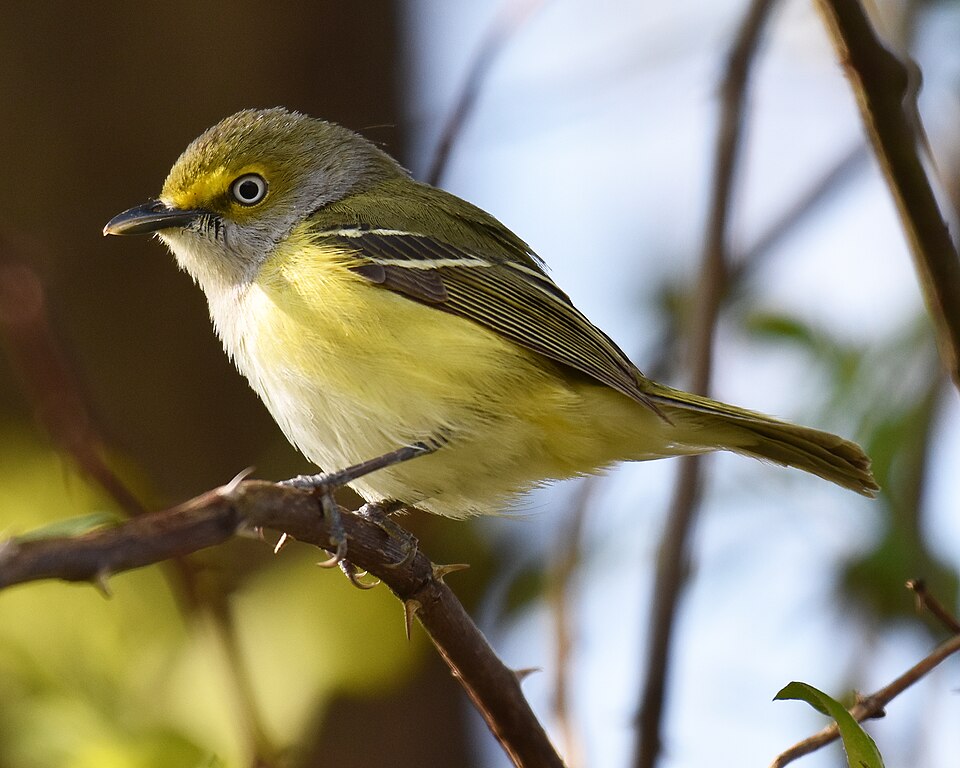

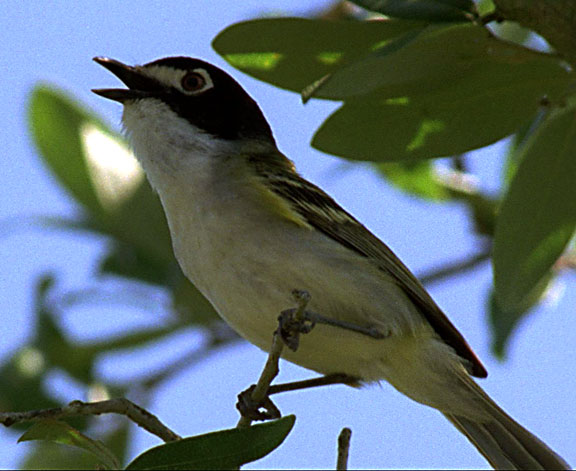

Birds Similar to the Dalat Shrike-Babbler
These species are often confused with the Dalat Shrike-Babbler due to similar appearance or overlapping range.

