
Gray Laughingthrush
Garrulax maesi
Order: Passeriformes / Family: Leiothrichidae

Wikimedia Commons
About the Gray Laughingthrush
The Gray Laughingthrush (Garrulax maesi) embodies the enchanting forests it inhabits, with its presence stretching across the subtropical and tropical moist lowland forests of Southeast Asia. This species, a member of the Leiothrichidae family, holds a significant ecological role as both a seed disperser and an insect control agent. These birds are often found in Myanmar, Thailand, Laos, and Vietnam, thriving in regions where dense undergrowth provides ample cover and foraging opportunities. The Gray Laughingthrush exhibits seasonal behaviors that reflect its adaptability to varying environmental conditions. During the wet season, these birds become more active, contributing to the dispersal of seeds through their frugivorous diet. In contrast, the dry season sees a shift towards insectivory, as the availability of fruits diminishes. The Gray Laughingthrush displays a remarkable ability to adapt to secondary growth forests, which has proven beneficial in regions experiencing deforestation. Its ecological significance extends beyond its immediate environment, as it plays a pivotal role in maintaining the balance of its ecosystem by controlling insect populations and aiding plant regeneration through seed dispersal. The bird's melodious calls add a vibrant layer to the soundscape of its habitat, contributing to the cultural and natural heritage of the regions it inhabits. Observers often note the Gray Laughingthrush's social behavior, as it is typically seen in pairs or small groups, particularly during the breeding season. This social nature, coupled with its distinctive vocalizations, makes it a focal point for birdwatchers and researchers alike. The Gray Laughingthrush's varied diet and adaptability to different forest types highlight its resilience in the face of environmental changes. Despite pressures from habitat loss, the species continues to thrive in its native range, illustrating a capacity for survival that underscores its importance in the biodiversity of Southeast Asia.
The Gray Laughingthrush belongs to the family Leiothrichidae, within the order Passeriformes. These birds typically live average 6 years with a max recorded of 9 years.
How to Identify a Gray Laughingthrush
The Gray Laughingthrush presents a striking appearance, characterized by its predominantly gray plumage. Adults display a subtle contrast between their darker wings and tail and lighter underparts. The bird’s face is marked with a distinctive white crescent above the eye, giving it a curious and alert expression. In juveniles, the plumage appears slightly duller, with less defined markings around the face and wings. Male and female Gray Laughingthrushes exhibit similar plumage, making them difficult to distinguish in the field. However, slight size differences can occasionally be observed, with males generally being slightly larger. When in flight, the Gray Laughingthrush's broad wings and relatively long tail provide a distinctive silhouette, with slow, deliberate wingbeats that contrast with the rapid flitting of smaller passerines. Perching behavior often involves remaining concealed within dense foliage, where their muted gray tones blend seamlessly with the forest backdrop. This can make field identification challenging, requiring observers to rely on vocalizations to confirm their presence. Although similar in appearance to other laughingthrush species, the Gray Laughingthrush can be distinguished by its specific vocal patterns and habitat preferences, as well as its larger size relative to some of its close relatives.
Having trouble telling birds apart? Upload a photo to our bird identification tool for an instant species match.
Gray Laughingthrush Habitat and Range
Preferred Habitat
The Gray Laughingthrush occupies a range of forested habitats, predominantly in subtropical and tropical moist lowland forests. It favors areas where dense undergrowth and thick shrubbery provide cover and foraging opportunities. These birds are commonly found at elevations ranging from sea level up to 2,000 meters, though they are most frequently observed between 500 and 1,500 meters. Seasonal habitat shifts occur as the Gray Laughingthrush moves to lower elevations during colder months to access more abundant food resources. In addition to primary forests, this species also shows adaptability to secondary growth and edge habitats, often venturing into areas that have been disturbed by human activity. While they are not typically found in urban settings, their proximity to rural villages and agricultural lands can sometimes lead to sightings in these areas, particularly where forest edges meet cultivated land.
Geographic Range
The Gray Laughingthrush is native to Southeast Asia, with a distribution that includes Myanmar, Thailand, Laos, and Vietnam. Within these countries, it inhabits suitable forested regions, primarily in the northern and central parts, where the climate and vegetation support its lifestyle. While the species is largely sedentary, some local movements occur, particularly in response to seasonal changes in food availability. These movements are typically altitudinal, as birds descend to lower elevations during colder months. Population density hotspots are often associated with extensive forested areas where human disturbance is minimal. Despite its relatively stable population within this range, ongoing habitat loss poses a threat to specific local populations. Conservation efforts focus on preserving critical forest habitats to ensure the continued survival of this species in its natural environment.
Want to know which birds visit your area? Browse our backyard birds by location guides for region-specific species lists.
What Does the Gray Laughingthrush Eat?
The diet of the Gray Laughingthrush is diverse, reflecting its ability to exploit various food resources throughout the year. Primarily frugivorous, these birds feed on a wide array of fruits and berries, which they skillfully pluck from trees and shrubs. Their diet undergoes a seasonal shift, with a greater emphasis on insects and small invertebrates during periods when fruit is less abundant. Insects such as beetles, caterpillars, and ants form a substantial part of their diet, particularly in the dry season. Their foraging technique involves moving methodically through foliage, using their keen eyesight to spot prey. The Gray Laughingthrush displays a preference for small to medium-sized fruits and insects, which they consume during the day, with peak feeding times occurring in the early morning and late afternoon. This feeding schedule allows them to take advantage of cooler temperatures and reduced competition from other frugivores and insectivores.
Gray Laughingthrush Behavior and Social Structure
Social and vocal, the Gray Laughingthrush often moves in small flocks, especially outside the breeding season. These groups, typically consisting of 4-10 individuals, engage in cooperative foraging, which enhances their ability to locate food and detect predators. The species exhibits territorial behavior during the breeding season, with pairs defending their nesting area through vocal displays and physical presence. Courtship involves a series of intricate displays, including bowing and wing flicking, accompanied by soft calls. Flocking patterns shift with the seasons, as larger congregations may form during non-breeding periods when territorial boundaries relax. The Gray Laughingthrush responds to predators with alarm calls, alerting conspecifics to the presence of threats such as snakes or birds of prey. Daily activity patterns are diurnal, with birds becoming most active during the cooler parts of the day, engaging in feeding, preening, and social interaction.
Gray Laughingthrush Nesting and Reproduction
The nesting habits of the Gray Laughingthrush reflect its adaptability to forest environments. Nests are typically cup-shaped and constructed from twigs, leaves, and grasses, often lined with softer materials such as feathers or moss. Nest sites are chosen with care, usually located in dense shrubbery or low trees, providing both concealment and protection from predators. Clutch size varies, with females laying between 2 to 4 eggs per breeding attempt. The incubation period lasts approximately 14 to 16 days, during which both parents share the responsibility of keeping the eggs warm. After hatching, chicks remain in the nest for about 12 to 14 days before fledging. Parental roles are not rigidly defined, as both male and female participate in feeding and caring for the young. The Gray Laughingthrush typically raises one to two broods per year, depending on environmental conditions and food availability.
Gray Laughingthrush Sounds and Vocalizations
The Gray Laughingthrush is renowned for its complex vocal repertoire, featuring a series of melodious whistles and chatters that vary in rhythm and pitch. The primary song, often delivered from a concealed perch, contains a sequence of clear, flute-like notes that rise and fall in a pleasing cadence. Call notes are shorter and more abrupt, serving as contact calls or signals of alarm. Alarm calls, often triggered by the presence of predators, are more urgent and shrill, alerting nearby birds to potential threats. The dawn chorus, a characteristic feature of their vocal behavior, fills the forest with vibrant sound, as individuals take turns singing to establish their presence and communicate with mates. The varied and musical quality of their vocalizations makes the Gray Laughingthrush a favorite among birdwatchers and nature enthusiasts.
Interesting Facts About the Gray Laughingthrush
- 1The Gray Laughingthrush can mimic the calls of other bird species, adding variety to its already complex vocal repertoire.
- 2Unlike many birds, the Gray Laughingthrush participates in cooperative breeding, where related individuals assist in raising young.
- 3This bird's diet shifts seasonally, with fruit comprising up to 60% of its intake during the wet season.
- 4Gray Laughingthrushes have been observed using their strong legs to dig into leaf litter in search of insects.
- 5In some local cultures, the Gray Laughingthrush's song is believed to bring good luck, making it a cherished presence in the forest.
- 6Studies show that the Gray Laughingthrush contributes to seed dispersal for over 20 plant species in its native range.
- 7The plumage of the Gray Laughingthrush provides excellent camouflage, blending seamlessly with the forest undergrowth.
Gray Laughingthrush Conservation Status
The Gray Laughingthrush currently holds a conservation status of Least Concern according to the IUCN. However, its populations face ongoing threats from habitat destruction and degradation due to logging and agricultural expansion. Despite these pressures, population trends remain relatively stable, thanks in part to the species' adaptability to secondary growth and edge habitats. Conservation efforts focus on preserving the natural forests of Southeast Asia, with protected areas playing a crucial role in safeguarding essential habitats. Historical population changes have shown resilience in the face of environmental challenges, yet continued vigilance is necessary to ensure the long-term survival of this species. Initiatives include habitat restoration and environmental education programs aimed at raising awareness about the importance of maintaining biodiversity in forest ecosystems.
Other Leiothrichidae Species

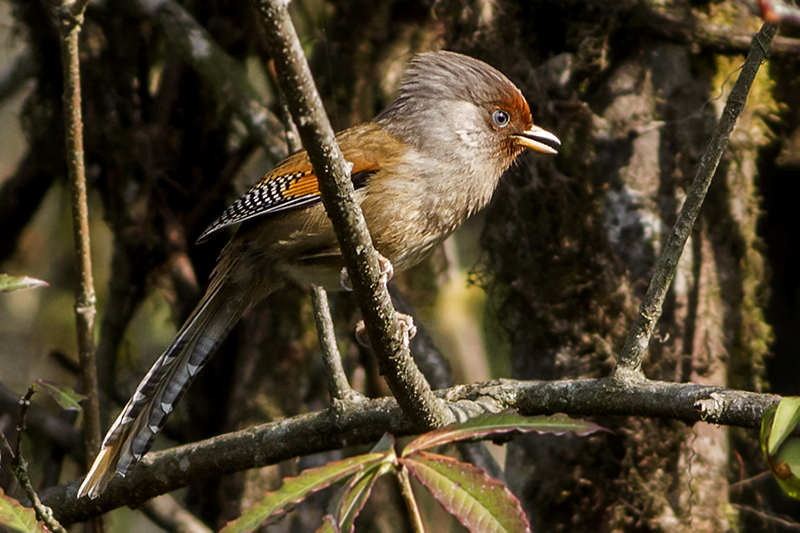

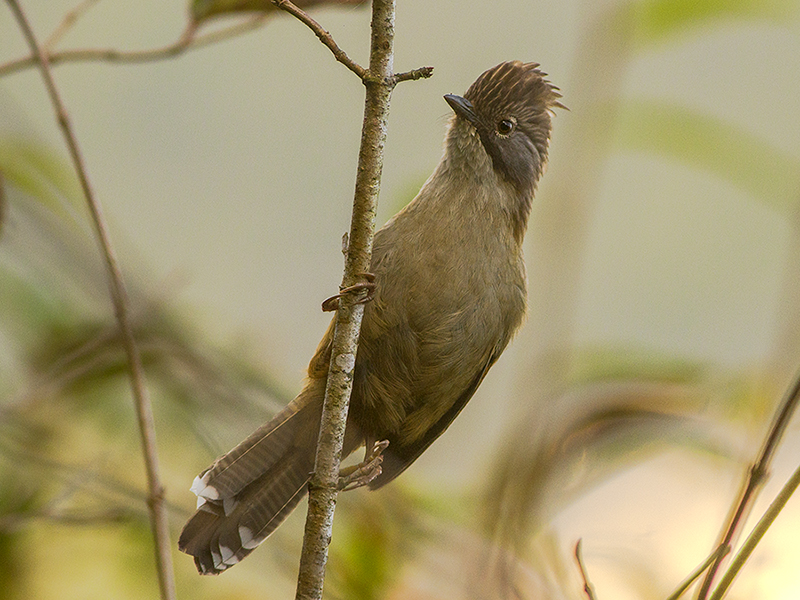
Birds Similar to the Gray Laughingthrush
These species are often confused with the Gray Laughingthrush due to similar appearance or overlapping range.

