
Mekong Wagtail
Motacilla samveasnae
Order: Passeriformes / Family: Motacillidae

Wikimedia Commons
About the Mekong Wagtail
The Mekong Wagtail, Motacilla samveasnae, is a strikingly patterned bird that inhabits the dynamic landscapes of Southeast Asia. Named after the Mekong River, this bird is endemic to the lower Mekong basin, with significant populations found in Cambodia and Laos. It thrives in the river’s complex ecosystem, where it plays an essential role in controlling insect populations. The wagtail is a relatively recent discovery, having been formally described only in 2001, which highlights its significance to ornithology as a symbol of the undiscovered biodiversity still present in well-studied regions. During the breeding season, Mekong Wagtails establish territories along riverine habitats. Here, they feed on a variety of insects, contributing to the ecological balance by managing insect populations. As an insectivorous bird, it aids in controlling the populations of pests that might otherwise affect the flora and fauna of the riverine ecosystem. Mekong Wagtails are known for their agile flight as they catch insects mid-air, a behavior particularly observed during the wet season when insect populations swell. This wagtail does not migrate over long distances, but it may undertake local movements to optimize feeding opportunities. Its role as a resident species in its habitat makes it a reliable indicator of environmental health, providing insights into the impacts of ecological changes in the Mekong River. The wagtail’s presence throughout the year also supports the biodiversity of the region by serving as prey for raptors and larger predators, thus maintaining the riverine food web. Breeding typically occurs during the dry season, when river levels are lower and nesting sites are more accessible. The Mekong Wagtail's reliance on specific habitats underscores the importance of preserving the river's natural flow and protecting its banks from development. Conservation efforts focusing on riverine habitats can significantly impact the survival of the Mekong Wagtail and the myriad species that share its environment. The survival of this species reflects the broader health of the Mekong River ecosystem, highlighting the interconnectedness of avian species and their habitats.
The Mekong Wagtail belongs to the family Motacillidae, within the order Passeriformes. These birds typically live not well-documented, but likely similar to other wagtails, around 5-10 years..
How to Identify a Mekong Wagtail
The Mekong Wagtail is easily identifiable by its sharp black-and-white coloration. Adults display a stark contrast between their black heads and white underparts, with a distinctive white wing bar visible in flight. Their tail, predominantly black with white edges, is constantly wagging, a characteristic behavior of wagtails. Males and females exhibit similar plumage, though males may have slightly more pronounced black markings. Juveniles resemble adults but are generally duller with more muted contrasts, allowing for some degree of camouflage in their riverine environment. This wagtail can be confused with the White Wagtail, but the Mekong Wagtail's more restricted facial pattern and prominent tail-wagging behavior are distinguishing features. In flight, the Mekong Wagtail exhibits a bounding, undulating pattern typical of the species, with noticeable flicks of its tail. When perched, it often remains near ground level on rocks or sandbanks, its posture upright and alert, always ready to flit away to catch passing insects.
Having trouble telling birds apart? Upload a photo to our bird identification tool for an instant species match.
Mekong Wagtail Habitat and Range
Preferred Habitat
The Mekong Wagtail's preferred habitat includes the sandy and rocky banks of the Mekong River and its tributaries. This species is typically found at elevations below 300 meters, where the river’s flow creates a dynamic environment rich in food sources. During the dry season, the wagtail is often seen on exposed sandbanks and gravel islands, which provide ideal nesting and foraging sites. Its habitat does not extend into urban areas, as it relies heavily on the natural riverine environment. The presence of clear, flowing water is essential, and the bird tends to avoid heavily forested areas, favoring open spaces with sparse vegetation. Seasonal shifts in river levels due to monsoons can lead to temporary relocation within its range, but the Mekong Wagtail remains closely tied to its riverine habitat year-round.
Geographic Range
The Mekong Wagtail is primarily found in the lower Mekong basin, with its range encompassing parts of Cambodia, southern Laos, and adjacent areas of Vietnam. This distribution is largely dictated by the presence of the Mekong River, which serves as its primary habitat. It is a non-migratory species, largely resident throughout the year, although local movements in response to seasonal changes in water levels and food availability are common. Population density is highest in areas with extensive sandbanks and gravel islands, particularly during the breeding season. These riverine habitats support stable populations, but the species is vulnerable to changes in river dynamics caused by dam construction and other human activities, which can alter the availability of suitable habitats.
Want to know which birds visit your area? Browse our backyard birds by location guides for region-specific species lists.
What Does the Mekong Wagtail Eat?
The Mekong Wagtail is primarily insectivorous, feeding on a wide range of small insects and other invertebrates. Its diet includes flies, beetles, ants, and aquatic insects that it captures with precision, often on the wing. During the wet season, when insect populations surge, the wagtail capitalizes on the abundance, engaging in aerial acrobatics to catch its prey. In the dry season, when water levels drop and sandbanks are exposed, its foraging strategy shifts slightly. It spends more time hunting on foot, running swiftly across open ground to snatch insects from the surface. The wagtail adapts its feeding schedule to the availability of prey, often feeding during the cooler parts of the day when insect activity is at its peak, such as early morning and late afternoon.
Mekong Wagtail Behavior and Social Structure
The Mekong Wagtail is generally solitary or found in pairs, particularly during the breeding season. It exhibits strong territorial behavior, with males vigorously defending their breeding territories from intruders through displays and song. Courtship involves elaborate displays, including tail wagging and aerial chases. Outside the breeding season, the wagtail may form small flocks, especially when roosting. Its response to predators, such as raptors, involves abrupt shifts in flight path and evasive maneuvers. Daily activity patterns revolve around feeding, with peak activity in the cooler hours of the day. The wagtail is also known for its characteristic tail-wagging behavior, a constant motion that may serve as a signal to other birds or aid in flushing insects from hiding.
Mekong Wagtail Nesting and Reproduction
Mekong Wagtails build cup nests using materials such as grass, roots, and mud, typically situated on sandbanks or low riverine vegetation. These nests are often well-camouflaged among rocks or under low shrubs. The typical clutch consists of three to five eggs, which are incubated primarily by the female for about 12-14 days. Both parents participate in feeding the fledglings, which leave the nest approximately 14 days after hatching. The species is capable of raising two broods per year, particularly if conditions are favorable and food supplies are abundant. Nesting success is heavily dependent on the stability of their riverine environment, making them vulnerable to habitat disturbances.
Mekong Wagtail Sounds and Vocalizations
The primary song of the Mekong Wagtail is a series of short, sharp notes delivered in rapid succession. These calls are high-pitched and somewhat metallic, often described as 'tzeet-tzeet-tzeet'. The call notes are similar in tone but shorter, used primarily for communication between mates and signaling alarm. During the dawn chorus, the wagtail's song becomes more frequent and intense, serving both as a territorial marker and a means of attracting a mate. Its alarm calls are a rapid series of high-pitched notes that alert other birds to the presence of predators, creating a network of avian communication along the riverbank.
Interesting Facts About the Mekong Wagtail
- 1The Mekong Wagtail was only discovered in 2001, making it a relatively recent addition to ornithology.
- 2Unlike many other wagtails, the Mekong Wagtail is resident year-round, rarely engaging in long-distance migration.
- 3The Mekong Wagtail shows a remarkable adaptation to its riverine habitat, often nesting directly on sandbanks.
- 4During the breeding season, Mekong Wagtails display aggressive territorial behavior, with males defending their patch vigorously.
- 5The species' name honors Cambodian conservationist Sam Veasna, who played a significant role in bird conservation in the region.
- 6Mekong Wagtails are known for their dynamic flight, catching insects mid-air with great agility.
- 7The species' presence in an area often indicates a healthy riverine ecosystem, as they rely on abundant insect populations.
Mekong Wagtail Conservation Status
Currently, the Mekong Wagtail is listed as Least Concern by the IUCN; however, its population trends are closely monitored due to potential habitat loss. The primary threats to its survival include habitat alteration from dam construction, which affects river flow and sandbank formation. Conservation efforts focus on preserving the natural flow of the Mekong River, protecting key habitats from development, and ensuring sustainable water management practices. Continued research and monitoring are crucial to understanding the impact of environmental changes on the Mekong Wagtail and implementing effective conservation strategies.
Other Motacillidae Species

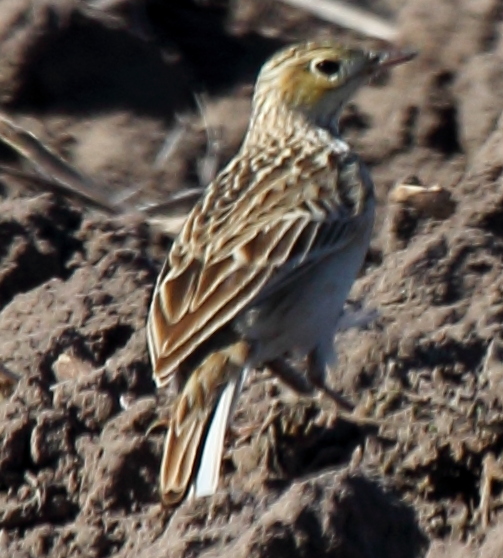


Birds Similar to the Mekong Wagtail
These species are often confused with the Mekong Wagtail due to similar appearance or overlapping range.
