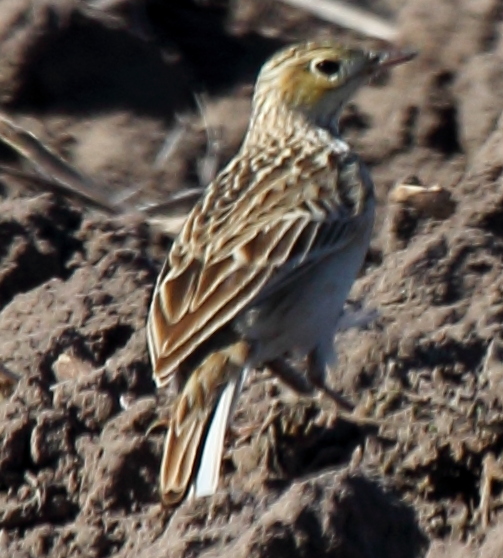
Grey Wagtail
Motacilla calidris
Order: Passeriformes / Family: Motacillidae

Wikimedia Commons
About the Grey Wagtail
The Grey Wagtail (Motacilla calidris) is a captivating bird species known for its elegant appearance and distinctive behavior. This bird is a member of the Motacillidae family and is characterized by its long, slender tail and striking coloration. The Grey Wagtail predominantly inhabits Europe, parts of Asia, and North Africa. It often resides near fast-flowing rivers and streams, where it can be seen darting along the banks in search of food. Its presence in these specific habitats makes it an important indicator of clean, unpolluted water bodies. Despite its name, the Grey Wagtail is not entirely gray. While its back and wings are indeed gray, its underparts are a vibrant yellow, especially during the breeding season. This colorful plumage plays a role in its courtship displays, as the bright yellow helps attract mates. Grey Wagtails are insectivorous, feeding primarily on aquatic and terrestrial insects. They play a vital ecological role by controlling insect populations in their habitats. During the breeding season, they establish territories along rivers and streams. These birds are known for their distinctive wagging motion, which they use while foraging. This behavior is thought to help flush out insects from crevices. The Grey Wagtail's seasonal behavior includes migration to milder climates during the winter months. While they breed in the temperate regions of Europe and Asia, many populations migrate to Southern Europe, North Africa, and parts of the Middle East for the winter. This migration is driven by the need to find suitable feeding grounds as temperatures drop in their breeding territories. The Grey Wagtail's adaptability to different habitats, from mountainous areas to urban environments, has allowed it to maintain stable population levels despite changing environmental conditions.
The Grey Wagtail belongs to the family Motacillidae, within the order Passeriformes. These birds typically live average 3-4 years with a maximum recorded of 7 years..
How to Identify a Grey Wagtail
The Grey Wagtail is a medium-sized passerine bird with a length of approximately 18 to 19 cm. Its most notable field mark is its extremely long tail, which it frequently wags up and down. Adults exhibit a gray upper body with striking yellow underparts, particularly pronounced in males during the breeding season. Males and females are similar in appearance, though the males tend to display more vivid coloration. Juveniles, by contrast, are less conspicuous, with duller plumage and shorter tails. Observers often confuse the Grey Wagtail with the Yellow Wagtail, but the latter lacks the long tail and gray upperparts. The flight silhouette of the Grey Wagtail is distinctive, characterized by rapid, bounding flight patterns with intermittent tail dips. When perched, it maintains a horizontal posture, often seen flitting along riverbanks or perched on rocks.
Having trouble telling birds apart? Upload a photo to our bird identification tool for an instant species match.
Grey Wagtail Habitat and Range
Preferred Habitat
The Grey Wagtail favors habitats near fresh, fast-flowing water sources. This preference leads them to frequent riverbanks, streams, and lakes where they find ample food supply. They are often found in mountainous regions, where elevations provide the pristine, unpolluted water bodies they require. During winter, they may shift to lower altitudes and occasionally urban areas, where warmer temperatures and available food make survival easier. Unlike other wagtails, Grey Wagtails are less likely to inhabit open fields or agricultural lands, preferring the cover and resources provided by riparian zones.
Geographic Range
The Grey Wagtail breeds across much of Europe and into parts of Asia, extending as far east as the Himalayas. During the breeding season, they are concentrated in the northern and temperate parts of Europe, including the United Kingdom, Scandinavia, and Central Europe. In winter, they migrate to Southern Europe, the Mediterranean basin, and North Africa. Some populations also travel to the Middle East and parts of South Asia. Migration corridors often follow major river systems, providing stopover sites rich in food. Population densities are highest in areas where suitable nesting sites and abundant food sources coincide.
Want to know which birds visit your area? Browse our backyard birds by location guides for region-specific species lists.
What Does the Grey Wagtail Eat?
Grey Wagtails primarily consume aquatic insects such as mayflies, stoneflies, and caddisflies, which they expertly catch along the water's edge. During the summer, they expand their diet to include terrestrial insects such as beetles and ants. In winter, when insect availability declines, they adapt by feeding on small invertebrates and occasionally seeds. Their foraging technique involves quick, darting movements and tail-wagging, which flushes out hidden prey. They feed throughout the day, with peaks in activity during the morning and late afternoon.
Grey Wagtail Behavior and Social Structure
Grey Wagtails are typically solitary or found in pairs, especially during the breeding season when they establish territories. They exhibit strong territorial behavior, with males vigorously defending their nesting sites from intruders. Courtship displays involve both visual and auditory signals, with males showcasing their bright yellow underparts and singing to attract females. Outside of the breeding season, Grey Wagtails may form small flocks, particularly during migration. When faced with predators, they rely on their agility and quick flight to evade capture. Their daily activities are centered around foraging and maintaining territories.
Grey Wagtail Nesting and Reproduction
The nesting habits of the Grey Wagtail are closely tied to their preferred habitats. They build cup-shaped nests from moss, leaves, and grasses, typically located in crevices or holes in riverbanks, under bridges, or among rocks. A typical clutch consists of 4 to 6 eggs, with an incubation period of about 12 to 14 days. Both parents participate in feeding the young, which fledge approximately 14 days after hatching. Grey Wagtails usually have two broods per year, taking advantage of the extended daylight hours and abundant food during the breeding season.
Grey Wagtail Sounds and Vocalizations
The Grey Wagtail's primary song is a series of high-pitched, melodious chirps, often delivered from a perch or in flight. Their call notes are sharp and metallic, serving as contact calls between mates or signaling alarm. During the dawn chorus, their song contributes a bright, lively element, standing out among the more subdued calls of other riverine birds. Their vocalizations are distinct and serve as a useful identification tool for birdwatchers.
Interesting Facts About the Grey Wagtail
- 1Grey Wagtails can travel over 500 miles during their migratory journeys between breeding and wintering grounds.
- 2Despite their name, Grey Wagtails have bright yellow underparts, especially prominent during the breeding season.
- 3Their long tail, which they constantly wag, is nearly as long as their body, aiding in balance and communication.
- 4Grey Wagtails are known to use man-made structures like bridges for nesting, showing adaptability to human environments.
- 5They can catch insects mid-air due to their agile flight skills, a trait uncommon among similar-sized passerines.
- 6During the 19th century, the Grey Wagtail's population declined drastically due to significant water pollution.
- 7Grey Wagtails often return to the same nesting site year after year, demonstrating strong site fidelity.
Grey Wagtail Conservation Status
The Grey Wagtail is currently listed as Least Concern by the IUCN, with stable population trends observed across most of its range. However, threats include habitat degradation due to water pollution and riverbank modification. Conservation efforts focus on maintaining clean waterways and protecting riparian habitats. Historical fluctuations in population have been linked to changes in water quality, highlighting the importance of environmental protection.