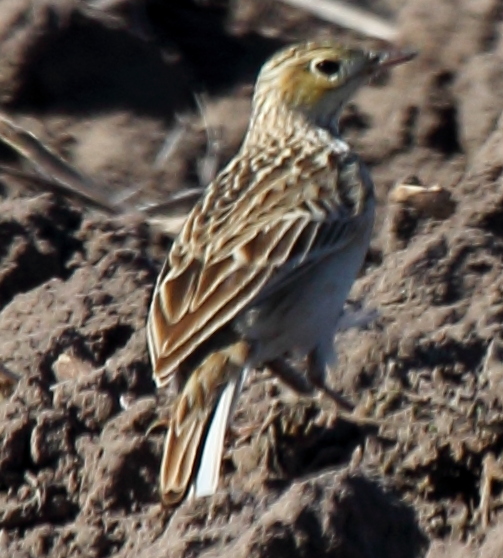
Motacilla cinereocapilla
Motacilla cinereocapilla
Order: Passeriformes / Family: Motacillidae

Wikimedia Commons
About the Motacilla cinereocapilla
The Motacilla cinereocapilla, commonly known as the Gray-headed Wagtail, is a fascinating member of the family Motacillidae. Renowned for its agile movements and distinctive gray head, this bird occupies a significant ecological niche in the regions it inhabits. It is primarily found in Southern Europe, often seen in Italy and the Balkans. The Gray-headed Wagtail plays a crucial role in controlling insect populations, thereby contributing to the ecological balance of its habitats. Its presence in pastures, wet meadows, and riverbanks highlights its adaptability to diverse environments. During the breeding season, it often frequents open landscapes with proximity to water, which provides abundant food resources and suitable nesting sites.
The significance of the Motacilla cinereocapilla extends beyond its ecological role. This species serves as an indicator of environmental health, as changes in its population can reflect shifts in habitat quality. Its preference for specific habitats makes it vulnerable to alterations caused by human activities, such as agriculture and urbanization. Birdwatchers and naturalists value the Gray-headed Wagtail for its active foraging behavior and vibrant breeding plumage, making it a sought-after sighting during spring and summer months.
Ecologically, the Gray-headed Wagtail helps maintain the balance within ecosystems by preying on various insects. This behavior not only controls pest populations but also supports the diets of other predators. Seasonal behaviors of the Motacilla cinereocapilla include migration patterns that see it travel to warmer regions during winter. As the breeding season approaches, these birds return to their northern habitats, often forming loose colonies where they engage in complex courtship displays. These behaviors underscore the adaptability and resilience of this species in the face of changing environmental conditions.
The Motacilla cinereocapilla belongs to the family Motacillidae, within the order Passeriformes. These birds typically live average lifespan is around 3 years, with some reaching up to 5 years..
How to Identify a Motacilla cinereocapilla
The Gray-headed Wagtail is medium-sized, typically measuring around 17-20 centimeters in length with a wingspan of approximately 25-30 centimeters. Adult males during the breeding season display a striking gray head and nape, contrasting with a bright yellow underpart. Their back is olive-green, creating a vibrant appearance. Females and non-breeding males exhibit a more subdued coloration with a paler yellow underside and less pronounced gray on the head.
Juvenile Gray-headed Wagtails differ from adults by having a more brownish tone and lacking the distinct gray head of the mature males. This plumage helps them blend into their surroundings, providing critical camouflage against predators. In flight, the species demonstrates a characteristic undulating pattern, with rapid wing beats interspersed with glides.
Confusion may arise with other wagtail species, particularly the Yellow Wagtail (Motacilla flava). However, the Gray-headed Wagtail can be distinguished by the absence of the yellow head seen in the latter. Observers should note the bird's perching posture, often characterized by a constant wagging of its long tail, a behavior from which wagtails derive their name.
Having trouble telling birds apart? Upload a photo to our bird identification tool for an instant species match.
Motacilla cinereocapilla Habitat and Range
Preferred Habitat
The preferred habitats of the Motacilla cinereocapilla include open areas with access to water. They are frequently found in wet meadows, riverbanks, and pastures. These environments provide ample foraging opportunities and nesting sites. The species typically resides at elevations ranging from sea level up to 1,500 meters, adapting to both lowland and montane regions.
In urban settings, the Gray-headed Wagtail can occasionally be seen in parks and gardens, particularly when these areas are adjacent to water bodies. Seasonal shifts in habitat are evident as these birds migrate. During winter, they favor lower elevations and warmer climates that offer continued insect availability.
Their presence in both rural and urban landscapes exemplifies their versatility. However, they are more abundantly seen in extensive open habitats where human disturbance is minimal, showcasing a preference for natural environments over heavily urbanized areas.
Geographic Range
The breeding range of the Motacilla cinereocapilla spans across Southern and Central Europe, with significant populations in Italy, the Balkans, and parts of Eastern Europe. These regions provide the ideal conditions for breeding, with ample food supply and suitable nesting sites.
During the winter months, the Gray-headed Wagtail migrates to the Mediterranean basin, including North Africa and parts of Southern Asia. Its migration corridors are well-documented, with birds traveling along coastal and inland routes, often stopping at wetlands to rest and refuel.
Population density hotspots are found in the Po Valley in Italy and along the Danube River, where suitable habitats abound. These areas support large numbers of breeding pairs, making them critical for the species' conservation. The Gray-headed Wagtail's migratory behavior underscores the importance of international conservation efforts to maintain suitable habitats across its range.
Want to know which birds visit your area? Browse our backyard birds by location guides for region-specific species lists.
What Does the Motacilla cinereocapilla Eat?
The diet of the Motacilla cinereocapilla consists primarily of insects and other small invertebrates. During the breeding season, they predominantly consume dipterans, coleopterans, and lepidopterans, which are abundant in their preferred habitats. This insectivorous diet is critical for chick development and parental energy requirements.
In spring and summer, the Gray-headed Wagtail can often be seen executing a distinct foraging technique known as 'foot-trembling,' where it disturbs the surface of water or grass to expose hidden prey. The birds exhibit versatility in their diet, occasionally consuming seeds and berries, particularly in the absence of insects during colder months.
Their feeding schedule aligns with daylight hours, with peak activity occurring in early morning and late afternoon. This timing maximizes their foraging efficiency when insects are most active, ensuring a steady food supply for their energy-intensive lifestyle.
Motacilla cinereocapilla Behavior and Social Structure
The Gray-headed Wagtail exhibits a dynamic social structure, often seen in loose flocks outside the breeding season. These flocks provide safety in numbers, reducing individual risk from predators. During the breeding season, males establish territories through song and display, deterring rivals and attracting mates.
Courtship displays are elaborate, involving aerial maneuvers and vocalizations that demonstrate fitness to potential mates. Once paired, these birds exhibit monogamous behavior, with both parents participating in incubation and chick-rearing.
Their response to predators is marked by alarm calls and evasive flight patterns. Daily activity patterns include periods of intense foraging interspersed with rest and preening. The Gray-headed Wagtail's adaptability to various environments is reflected in its ability to modify behaviors according to habitat and resource availability.
Motacilla cinereocapilla Nesting and Reproduction
The nesting habits of the Motacilla cinereocapilla are intricately tied to their habitat preferences. They typically build cup-shaped nests on the ground, hidden among vegetation or near water. Common materials include grasses, moss, and feathers, woven to provide insulation and camouflage.
Clutch sizes range from 4 to 6 eggs, with an incubation period of about 11 to 13 days. Both male and female participate in incubation, although the female takes the lead. After hatching, the chicks fledge in approximately 10 to 14 days, but continue to rely on parental care for food and protection.
The Gray-headed Wagtail may produce one to two broods per year, depending on environmental conditions. Nesting success is closely linked to weather and predation rates, which can impact chick survival and overall reproductive success.
Motacilla cinereocapilla Sounds and Vocalizations
The primary song of the Gray-headed Wagtail is a rapid series of high-pitched notes, often delivered in flight or from a prominent perch. The rhythm is lively, with a melodic quality that varies slightly between individuals. Call notes are sharp and distinctive, serving both communication and alarm functions.
Alarm calls differ significantly, characterized by a sharper, more urgent tone, used to warn conspecifics of potential threats. During the dawn chorus, the Gray-headed Wagtail's song contributes to the cacophony of sounds, although it tends to be overshadowed by louder species.
The vocalizations of the Motacilla cinereocapilla are essential for territory establishment and mate attraction, playing a critical role in their social and reproductive behaviors.
Interesting Facts About the Motacilla cinereocapilla
- 1The Gray-headed Wagtail is capable of covering long distances during migration, traveling up to 3,000 kilometers between breeding and wintering sites.
- 2Despite their small size, Gray-headed Wagtails can be quite aggressive in defending their territory during the breeding season, using song and displays to deter intruders.
- 3The species' adaptability to different habitats allows it to thrive in environments ranging from coastal marshes to alpine meadows.
- 4Gray-headed Wagtails have a unique foraging method known as 'foot-trembling,' which helps them flush out hidden prey from water or grass.
- 5During migration, they often stop at key wetland sites, which serve as crucial refueling stations, highlighting the importance of wetland conservation.
- 6Their name 'wagtail' comes from the constant motion of their tails, a characteristic behavior observed in all species within the genus Motacilla.
- 7The Gray-headed Wagtail's song, although not as complex as some other passerines, plays a vital role in mate selection and territory defense.
Motacilla cinereocapilla Conservation Status
The IUCN lists the Gray-headed Wagtail as of Least Concern, indicating a stable population trend. However, localized threats such as habitat loss and degradation due to agricultural expansion and urban development pose challenges. Conservation efforts focus on habitat preservation and restoration, particularly in key breeding and migratory areas. Historical population changes have been influenced by land-use alterations, yet international cooperation in conservation has helped stabilize numbers. Efforts include protecting wetlands and riparian zones, which are crucial for their breeding and foraging needs. Awareness campaigns and policy initiatives aim to mitigate human impacts, ensuring the continued survival of this adaptable yet vulnerable species.