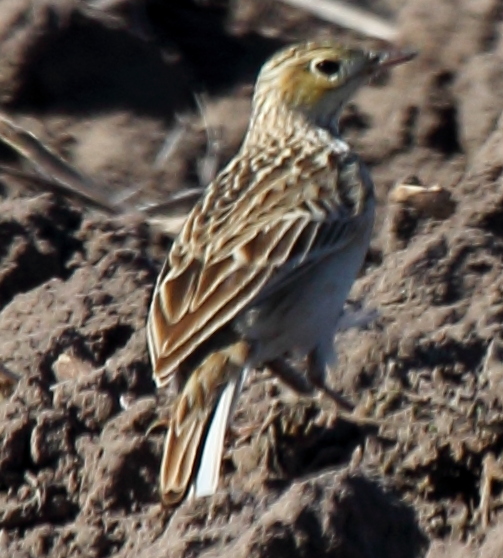
Red-throated Wagtail
Motacilla erithacus
Order: Passeriformes / Family: Motacillidae

Wikimedia Commons
About the Red-throated Wagtail
The Red-throated Wagtail (Motacilla erithacus) captivates bird enthusiasts with its vibrant plumage and dynamic behaviors. As a member of the Motacillidae family, this small passerine bird is renowned for its distinct red throat, a feature that makes it stand out among its relatives. The species is widespread across parts of Europe and Asia, thriving in a variety of habitats, from open fields to riverbanks. In regions like the British Isles and Scandinavia, the wagtail is a familiar sight during the breeding season, while its presence in central Asia underscores its adaptability to diverse environments. The ecological role of the Red-throated Wagtail is significant, as it helps control insect populations and provides a food source for larger predators.
In spring and summer, the Red-throated Wagtail occupies open grasslands and wetlands, where its feeding behaviors are most evident. The bird's agile movements and keen hunting skills allow it to capture insects with precision. During these warmer months, their vibrant plumage becomes a focal point for breeding displays, with males showcasing their red throats to attract mates. As autumn approaches, the wagtails migrate southward, some reaching as far as the Indian subcontinent and Southeast Asia. This seasonal migration highlights their resilience and adaptability to different climates and terrains.
The Red-throated Wagtail also plays a crucial role in its ecosystem by participating in the balance of prey-predator dynamics. Its diet primarily consists of insects, which it hunts with remarkable skill, playing a part in regulating insect populations. Furthermore, the wagtail's presence in diverse habitats indicates a healthy environment, making it an important species for ecological studies. By understanding the behaviors and habitats of the Red-throated Wagtail, researchers can gain insights into the health of the ecosystems they inhabit.
The Red-throated Wagtail belongs to the family Motacillidae, within the order Passeriformes. These birds typically live average 5 years, with a maximum recorded of 8 years..
How to Identify a Red-throated Wagtail
Identifying the Red-throated Wagtail involves observing several key features. Adult birds exhibit a striking red throat that contrasts with their otherwise gray and white plumage. This bright red patch is more pronounced in males, especially during the breeding season, while females may display a slightly paler version. The wagtail's upperparts are predominantly gray with white edges on the wings and tail, providing a stark contrast to the vibrant red. Juveniles, on the other hand, lack the characteristic red throat and display more muted tones, making them less conspicuous than adults.
In flight, the Red-throated Wagtail is noted for its long, slender tail and agile movements. Its flight silhouette is characterized by a rapid, undulating pattern, with the tail often fanned out in display. On the ground, these birds are equally distinctive, often bobbing their tails as they walk or forage, a behavior typical of their genus. When perching, they maintain an upright stance, enhancing their elegant appearance.
Confusion with other wagtail species is possible, especially with the similar-looking Yellow Wagtail (Motacilla flava). However, the Red-throated Wagtail's unique throat coloration serves as a reliable distinguishing feature. Additionally, the overall gray and white coloration of the Red-throated Wagtail differentiates it from the Yellow Wagtail's more colorful plumage. Observers can confidently identify this species by focusing on these distinguishing traits.
Having trouble telling birds apart? Upload a photo to our bird identification tool for an instant species match.
Red-throated Wagtail Habitat and Range
Preferred Habitat
The Red-throated Wagtail thrives in a variety of habitats, primarily favoring open environments such as grasslands, wetlands, and riverbanks. These areas provide ample opportunities for hunting insects, their main food source. During the breeding season, the wagtail prefers lowland meadows and agricultural fields, where insect abundance supports the energetic demands of raising young.
In winter, the species often shifts to more sheltered environments, including marshes, coastal regions, and even urban parks. This seasonal habitat flexibility allows them to exploit different ecological niches and maintain stable populations. The wagtail's presence in both rural and urban settings demonstrates its adaptability to human-altered landscapes.
Elevationally, the Red-throated Wagtail is generally found from sea level up to 2,000 meters, although it is more commonly associated with lowland areas. This elevation range ensures access to diverse habitats throughout their migratory and resident ranges.
Geographic Range
The Red-throated Wagtail exhibits a broad geographic range, with distinct breeding and wintering areas. During the breeding season, they are primarily found in northern Europe and western Asia, with notable populations in the British Isles, Scandinavia, and across Russia. These regions provide the open habitats and abundant insect life necessary for successful reproduction.
As winter approaches, the wagtails migrate to milder climates, with many birds traveling to southern Europe, the Middle East, and South Asia. Countries like India and Bangladesh host significant wintering populations, where the birds take advantage of the warmer temperatures and continued access to food sources.
Migration corridors for the Red-throated Wagtail often follow major river valleys and coastal routes, facilitating efficient travel between seasonal habitats. Population density hotspots during migration include areas like the Nile Delta and the Persian Gulf, where large numbers of wagtails can be observed gathering before continuing their journey.
Want to know which birds visit your area? Browse our backyard birds by location guides for region-specific species lists.
What Does the Red-throated Wagtail Eat?
The diet of the Red-throated Wagtail primarily consists of insects and other small invertebrates. During the breeding season, they focus on capturing a variety of prey items, including beetles, flies, and caterpillars, which provide essential nutrients for raising chicks. The wagtails forage actively, often utilizing a combination of ground-picking and aerial sallying techniques.
In winter, their diet broadens to include seeds and small berries, supplementing the reduced availability of insects. This dietary flexibility ensures that they can sustain themselves across different habitats and seasons. Foraging often occurs early in the morning and late afternoon, when insect activity is highest.
Prey size is typically small, aligning with the wagtail's slender bill and agile hunting style. Their feeding schedule is closely tied to the daily rhythms of insect activity, allowing them to maximize food intake during peak times. This efficient foraging behavior is a key factor in the Red-throated Wagtail's survival and reproductive success.
Red-throated Wagtail Behavior and Social Structure
The Red-throated Wagtail exhibits a range of interesting behaviors that contribute to its unique charm. Socially, these birds are often seen in small flocks, especially during migration and winter, when they gather in communal roosts for warmth and protection. During the breeding season, however, they become more territorial, with males actively defending their chosen nesting sites through displays and vocalizations.
Courtship behaviors in the Red-throated Wagtail are elaborate, involving aerial displays and singing to attract mates. Males display their vibrant red throats and perform intricate flight patterns to catch the attention of females. Once paired, both sexes participate in nest building and caring for the young, although males often take on a more protective role.
Flocking patterns shift throughout the year, with larger groups forming during migration, allowing for increased foraging efficiency and predator vigilance. These flocks can be quite dynamic, with individuals constantly joining and leaving. In response to predators, Red-throated Wagtails exhibit alarm calls and evasive flight maneuvers, often taking advantage of their agile flight to escape danger. Their daily activity patterns align closely with daylight hours, maximizing feeding and social interactions during the day.
Red-throated Wagtail Nesting and Reproduction
Red-throated Wagtails prefer to nest close to the ground, often selecting sites in dense vegetation or among rocks to conceal their nests from predators. The nests are cup-shaped and constructed using grasses, moss, and feathers, providing insulation and comfort for the eggs and chicks. Both male and female wagtails participate in the nest-building process, ensuring that the structure is sturdy and secure.
A typical clutch consists of four to six eggs, which the female incubates for approximately 12 to 14 days. During this period, the male assists by bringing food to the nest and keeping watch for potential threats. Once hatched, the chicks are altricial, requiring extensive parental care and feeding.
Fledging occurs about two weeks after hatching, with young birds gradually gaining independence over the following weeks. The Red-throated Wagtail may produce two broods per year, depending on environmental conditions and resource availability. This reproductive strategy allows them to maximize their chances of successful offspring rearing within the limited breeding season.
Red-throated Wagtail Sounds and Vocalizations
The Red-throated Wagtail's vocalizations are distinctive and serve various communication purposes. Their primary song is a rapid series of high-pitched, melodious notes, often delivered during flight displays or from a prominent perch. The rhythm is lively and the pitch varies, creating an engaging auditory experience for listeners.
Call notes are typically sharp and brief, used for maintaining contact between flock members. Alarm calls, on the other hand, are more urgent and can vary in intensity depending on the perceived threat level. These calls alert other birds to potential danger, prompting defensive actions.
During the dawn chorus, Red-throated Wagtails contribute their songs to the symphony of sounds as they establish territories and attract mates. Their vocalizations, while less complex than some other passerines, are effective in conveying essential information across distances.
Interesting Facts About the Red-throated Wagtail
- 1The Red-throated Wagtail can cover distances of up to 3,000 kilometers during migration, showcasing its impressive endurance.
- 2Despite their small size, Red-throated Wagtails can consume several hundred insects in a single day, aiding farmers by controlling pest populations.
- 3These wagtails often follow tractors in agricultural fields, taking advantage of disturbed insects for easy meals.
- 4The Red-throated Wagtail is known for its 'wagging' tail motion, which it uses to flush out insects from vegetation.
- 5Breeding pairs of Red-throated Wagtails are highly territorial, often seen chasing intruders away from their nesting sites.
- 6Unlike many songbirds, Red-throated Wagtails are frequently observed on the ground, where they forage for food.
- 7Their distinctive red throat develops more vividly during the breeding season, signaling readiness for reproduction.
Red-throated Wagtail Conservation Status
The Red-throated Wagtail is currently classified as Least Concern by the IUCN, with stable population trends across most of its range. However, habitat loss due to agricultural expansion and urban development poses a potential threat to their long-term survival. Conservation efforts focus on preserving wetland and grassland habitats, ensuring that these birds have access to the resources they need. Historically, the species has maintained a stable population, benefiting from its adaptability to different environments. Monitoring programs continue to track population changes, ensuring that any negative trends are quickly identified and addressed. By protecting critical habitats and promoting sustainable land use practices, conservationists aim to secure a future for the Red-throated Wagtail.