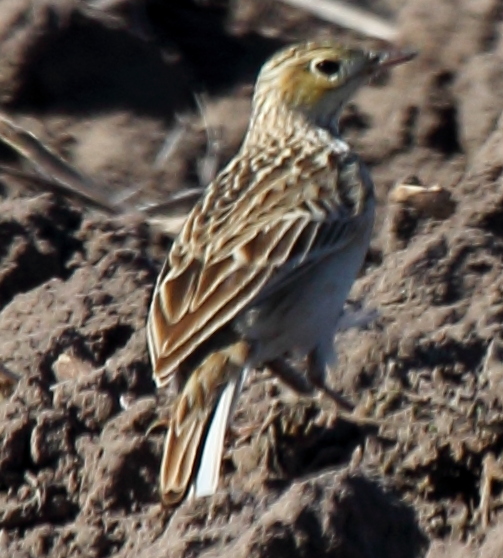
Pied Wagtail
Motacilla ficedula
Order: Passeriformes / Family: Motacillidae

Wikimedia Commons
About the Pied Wagtail
The Pied Wagtail, scientifically named Motacilla ficedula, is a charming and agile bird belonging to the family Motacillidae. This species is widely recognized for its striking black-and-white plumage and its characteristic tail-wagging behavior. Found throughout Europe and parts of Asia, the Pied Wagtail is a common sight in both urban and rural landscapes. These birds are adaptable and can often be seen foraging in open areas such as fields, pastures, and even car parks. They play a significant ecological role as insectivores, helping to control pest populations. During the breeding season, which typically occurs from April to August, Pied Wagtails establish territories often near water bodies or wetland areas. In winter, many populations migrate to milder regions, although some remain in their breeding territories, forming roosts in urban areas where food is more readily available. As a species, the Pied Wagtail exhibits fascinating seasonal behaviors. During the breeding season, they become particularly territorial, engaging in elaborate displays to defend their chosen nesting sites. Conversely, in the winter months, these birds may form loose flocks, showing a more social side as they forage for food. The Pied Wagtail's adaptability to various habitats and climates showcases its resilience and ability to thrive in diverse environments.
The Pied Wagtail belongs to the family Motacillidae, within the order Passeriformes. These birds typically live average 3 years, with a maximum recorded of 5 years..
How to Identify a Pied Wagtail
Pied Wagtails are medium-sized passerines, easily recognized by their striking black-and-white coloration. Adult birds have a predominantly black upper body with a contrasting white face and underparts. The wings are black with white wing bars, and the long tail, which is constantly wagged, is also black with white outer edges. Juvenile Pied Wagtails, in contrast, have a more subdued greyish-brown back and a less conspicuous facial pattern. Males and females appear similar, though males may have more intense black coloration during the breeding season. In flight, the Pied Wagtail is identifiable by its undulating flight pattern and the prominent white edges of its tail. When perched, it often adopts a horizontal posture, which, combined with its tail-wagging habit, makes it unmistakable. The Pied Wagtail can be confused with other wagtails such as the White Wagtail, but it generally has a darker back and more contrasting facial pattern.
Having trouble telling birds apart? Upload a photo to our bird identification tool for an instant species match.
Pied Wagtail Habitat and Range
Preferred Habitat
Pied Wagtails inhabit a wide range of environments, from urban areas to rural landscapes. They are often found in open spaces such as fields, meadows, and along riverbanks. In urban areas, they are common in parks, gardens, and even car parks. During the breeding season, they prefer habitats near water bodies like lakes, rivers, and wetlands, where insects are plentiful. These birds are found from sea level up to elevations of around 2000 meters in mountainous areas. In winter, some populations shift towards more urbanized and coastal areas where food resources remain abundant, demonstrating their adaptability to different habitat types.
Geographic Range
The Pied Wagtail's breeding range extends across much of Europe, from the Iberian Peninsula in the west to the Ural Mountains in the east. They are also found in parts of Asia, including the Middle East and Central Asia. During the winter months, northern populations migrate southwards to southern Europe, North Africa, and the Middle East. Migration corridors often include areas along coastlines and river valleys. Population density is highest in the United Kingdom, Ireland, and parts of France, where they are commonly seen year-round. In contrast, in northern Scandinavia and Russia, they are strictly migratory.
Want to know which birds visit your area? Browse our backyard birds by location guides for region-specific species lists.
What Does the Pied Wagtail Eat?
Pied Wagtails primarily feed on insects and other small invertebrates, making them valuable allies in controlling pest populations. Their diet includes flies, beetles, and moth larvae, which they catch with agile aerial maneuvers or by picking from the ground. Seasonal changes affect their diet, with more reliance on insects during the warmer months and a shift to seeds and small berries in winter when insect activity declines. Pied Wagtails typically forage in open areas, walking or running with quick steps, and pouncing on their prey. Their feeding schedule is largely diurnal, with peak activity in early morning and late afternoon.
Pied Wagtail Behavior and Social Structure
Pied Wagtails exhibit a range of interesting behaviors. They are generally solitary or found in pairs during the breeding season, becoming territorial and aggressive when defending nesting sites. Courtship involves aerial displays and tail-fanning. In winter, they exhibit more social behavior, forming roosts in sheltered urban areas. Flocking provides warmth and protection from predators. Their daily activity includes foraging in open spaces, often near water, where they can find abundant insect prey. Pied Wagtails are attentive parents, with both sexes participating in feeding the young. When threatened by predators, they engage in distraction displays to protect their nests.
Pied Wagtail Nesting and Reproduction
Pied Wagtails typically build their nests in sheltered locations, often choosing crevices in buildings, stone walls, or rock faces. The nest, constructed by both male and female, consists of grass, moss, and feathers, providing a comfortable environment for the eggs. Clutch size ranges from four to six eggs, with the female primarily responsible for incubation over 12 to 14 days. After hatching, both parents feed the chicks, which fledge around 14 to 16 days later. Pied Wagtails may raise two broods per year, depending on food availability and weather conditions.
Pied Wagtail Sounds and Vocalizations
The song of the Pied Wagtail is a cheerful series of high-pitched, metallic notes, often delivered while perched or during short flights. Typical calls include a sharp 'chisick' sound, used for communication between individuals. Alarm calls are harsher and more insistent, designed to alert others of potential danger. During the dawn chorus, Pied Wagtails contribute their lively notes, adding to the morning symphony of bird calls. Their vocalizations, though not as complex as some passerines, are distinctive and easily recognizable.
Interesting Facts About the Pied Wagtail
- 1The Pied Wagtail can wag its tail up to 5 times per second, a behavior thought to flush out prey or signal to other wagtails.
- 2Despite their small size, Pied Wagtails can cover up to 2000 kilometers during migration to reach wintering grounds.
- 3In urban areas, Pied Wagtails often roost in large numbers, with up to 150 birds gathering in a single tree for warmth.
- 4Their nests are often found in unusual locations, such as under bridges or in car engine bays, showcasing their adaptability.
- 5Pied Wagtails have been observed using roads as feeding grounds, capturing insects disturbed by passing vehicles.
- 6During the breeding season, males may bring food offerings to females as part of courtship rituals.
- 7Pied Wagtails are known to hybridize with White Wagtails, resulting in mixed-appearance offspring.
Pied Wagtail Conservation Status
The Pied Wagtail is classified as 'Least Concern' by the IUCN, with stable population trends across its range. Primary threats include habitat loss due to urban development and agricultural intensification, which reduce insect populations. Conservation efforts focus on preserving wetland habitats and promoting sustainable agriculture practices. Historically, the Pied Wagtail has shown resilience, adapting to changes in land use and maintaining healthy populations in both rural and urban environments.