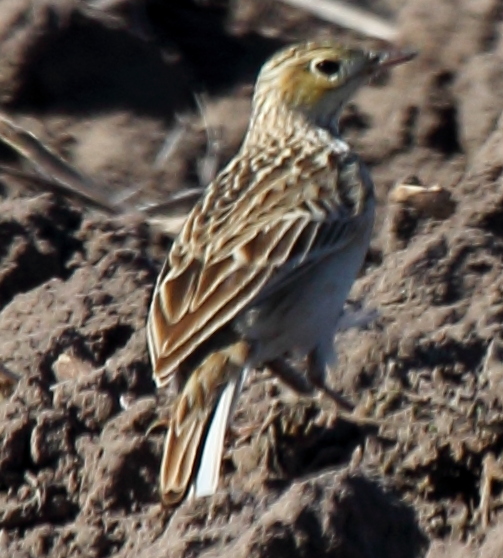
Motacilla hippolais
Motacilla hippolais
Order: Passeriformes / Family: Motacillidae

Wikimedia Commons
About the Motacilla hippolais
Motacilla hippolais, commonly referred to as the Icterine Warbler, is a captivating bird species well-known for its striking yellow and olive-green plumage. This species thrives in a variety of habitats across Europe and parts of western Asia, where it plays a significant role in the ecosystem as both a consumer of insects and a prey item for larger birds and mammals. During the breeding season, the Icterine Warbler is commonly found in deciduous forests, particularly favoring areas with dense undergrowth. Its presence is often associated with riparian zones, where the mix of water and vegetation provides optimal conditions for nesting and foraging. Typically, these warblers are seen in the lowlands and lower montane zones up to an elevation of 1500 meters, although they can occasionally be found at higher altitudes.
In addition to its ecological contributions, the Icterine Warbler is of considerable interest to birdwatchers and researchers due to its migratory behavior. Every autumn, these birds embark on a long journey to sub-Saharan Africa, where they spend the winter months in savannas and open woodlands. This migration is a testament to their adaptability and resilience, allowing them to exploit different food resources and avoid harsh European winters. The spring sees their return to breeding grounds, often following the same migratory routes.
The Icterine Warbler's role in the ecosystem goes beyond its diet and migratory patterns. It serves as an important indicator of environmental health. Changes in its population numbers can reflect shifts in habitat quality, availability of food resources, and broader ecological changes. As insectivores, they help control insect populations, particularly during the breeding season when their food intake increases substantially. Their preference for specific habitat types also highlights the importance of conserving riparian and forested areas, which are critical for maintaining biodiversity. The Icterine Warbler's vibrant song and striking appearance make it a focal point in conservation efforts aimed at preserving Europe's avian biodiversity.
The Motacilla hippolais belongs to the family Motacillidae, within the order Passeriformes. These birds typically live average lifespan is 3-5 years, with some living up to 7 years..
How to Identify a Motacilla hippolais
The Icterine Warbler is a medium-sized songbird, measuring about 12-14 cm in length with a wingspan of approximately 22 cm. Its plumage is predominantly yellow on the underside, complemented by olive-green coloring on the back and wings. The face is marked by a clear, pale eye-ring and a distinct supercilium, or eyebrow line. The bill is slender and pointed, ideal for gleaning insects from foliage. In terms of sexual dimorphism, males and females appear similar, though males may exhibit slightly brighter coloration during the breeding season.
Juvenile Icterine Warblers resemble adults but display duller plumage with a more greenish tint on the underparts, lacking the vibrancy of mature birds. They also have a less distinct supercilium, which becomes more pronounced as they mature. This species can be confused with the Melodious Warbler, another member of the Motacillidae family. However, the Icterine Warbler's longer primary projection and brighter yellow underparts can help differentiate it in the field.
In flight, the Icterine Warbler is agile, characterized by quick, darting movements and a somewhat erratic flight pattern as it navigates through dense vegetation. When perched, it often adopts a horizontal posture, flicking its wings and tail intermittently, a behavior that can assist in identification when observing from a distance.
Having trouble telling birds apart? Upload a photo to our bird identification tool for an instant species match.
Motacilla hippolais Habitat and Range
Preferred Habitat
The Icterine Warbler favors deciduous and mixed forests, particularly those with dense undergrowth and proximity to water sources. It thrives in riparian zones, where the combination of moisture and plant diversity supports a rich insect population. The species is commonly found at elevations ranging from sea level to 1500 meters, though it can adapt to higher altitudes in mountainous regions during certain seasons.
During migration and wintering periods, the Icterine Warbler occupies a broader range of habitats, including savannas, open woodlands, and even suburban gardens where food sources are abundant. The warbler's adaptability to different environments highlights its ecological versatility, allowing it to persist in both rural and urban settings. Seasonal shifts in habitat preference are primarily driven by food availability and climatic conditions, with the species exhibiting flexibility in response to environmental changes.
Geographic Range
The Icterine Warbler's breeding range spans across much of Europe, extending from Scandinavia and the Baltic states in the north to the Balkans and parts of northern Italy in the south. It is particularly prevalent in countries such as Germany, Poland, and Ukraine, where suitable breeding habitats are widespread. During the non-breeding season, the species undertakes a long-distance migration to sub-Saharan Africa, with wintering grounds located from Senegal and Gambia in the west to Ethiopia and Kenya in the east.
The warbler utilizes several migratory corridors, typically crossing the Mediterranean and the Sahara Desert en route to its wintering destinations. Throughout its range, population densities vary, with higher concentrations often observed in regions where optimal breeding and foraging habitats coincide. These hotspots include river valleys and forested areas with abundant insect life, providing critical resources for both breeding and survival during migration.
Want to know which birds visit your area? Browse our backyard birds by location guides for region-specific species lists.
What Does the Motacilla hippolais Eat?
The Icterine Warbler primarily feeds on insects, making it an important insectivore within its ecosystem. Its diet consists of a variety of arthropods, including beetles, flies, caterpillars, and spiders. The warbler exhibits a preference for soft-bodied insects during the breeding season, likely due to the higher nutritional content required for egg production and chick rearing.
In addition to its insectivorous diet, the Icterine Warbler occasionally consumes fruit and seeds, particularly during migration when insect availability may be reduced. This dietary flexibility allows it to exploit different food resources across its range, ensuring survival during periods of scarcity. Foraging typically occurs in the dense foliage of trees and shrubs, where the warbler uses its slender bill to extract prey from leaves and branches. Feeding activity generally peaks in the early morning and late afternoon, with intermittent bouts of foraging throughout the day.
Motacilla hippolais Behavior and Social Structure
The Icterine Warbler exhibits a range of behaviors that reflect its social and ecological adaptations. It is generally solitary or found in pairs during the breeding season, with a strong territorial instinct that drives males to sing from prominent perches to defend their territory. Courtship displays involve a combination of vocalizations and physical gestures, such as wing flicking and tail spreading, designed to attract a mate.
Outside of the breeding season, the Icterine Warbler may form loose flocks, particularly during migration when safety in numbers provides protection against predators. These flocks often travel together along migratory corridors, stopping at key foraging sites to refuel. In response to predators, the warbler employs a range of strategies, including alarm calls and evasive flight maneuvers, to avoid capture.
Daily activity patterns are closely tied to foraging needs, with peak activity periods in the early morning and late afternoon. The warbler remains relatively inconspicuous during the heat of midday, often retreating to shaded areas to conserve energy.
Motacilla hippolais Nesting and Reproduction
The Icterine Warbler constructs a cup-shaped nest, typically situated in dense shrubbery or low trees, often close to water sources. Nests are made from a variety of materials, including grasses, leaves, and spider silk, providing both structure and camouflage. The female is primarily responsible for building the nest, although the male may assist by gathering materials.
A typical clutch consists of 4-6 eggs, which are incubated by the female for about 11-14 days. During this period, the male remains nearby, defending the territory and occasionally providing food for the incubating female. Once hatched, the chicks are altricial, requiring extensive parental care. Both parents participate in feeding and caring for the young, which fledge approximately 12-15 days after hatching.
The Icterine Warbler typically raises one brood per year, though in favorable conditions, a second brood may be attempted. This reproductive strategy allows the species to maximize its breeding success within the limited time frame of the temperate breeding season.
Motacilla hippolais Sounds and Vocalizations
The primary song of the Icterine Warbler is a melodious and varied series of phrases, characterized by a mix of trills, whistles, and mimicry of other bird species. This song, often delivered from a high perch, serves both to attract mates and establish territory boundaries. In addition to its song, the warbler produces a variety of call notes, including a sharp 'chek' used as an alarm call to warn of potential threats.
During the dawn chorus, the Icterine Warbler's song is particularly prominent, adding a rich layer to the early morning soundscape of its habitat. The song's rhythm and pitch vary, but it often includes repeated motifs that make it recognizable to experienced birders. Compared to other warblers, its vocalizations are more complex and diverse, reflecting its adaptability and intelligence.
Interesting Facts About the Motacilla hippolais
- 1The Icterine Warbler can imitate the songs of over 20 other bird species, showcasing its impressive vocal range.
- 2Each year, Icterine Warblers travel more than 3000 kilometers between Europe and Africa during migration.
- 3Despite their small size, Icterine Warblers can consume up to 15% of their body weight in insects daily during peak breeding season.
- 4The Icterine Warbler's song repertoire includes mimicry of non-avian sounds, such as car alarms, highlighting its adaptability.
- 5Studies show that Icterine Warblers can alter their migratory routes in response to changing environmental conditions, demonstrating their resilience.
- 6Historically, the Icterine Warbler expanded its range northward in Europe, likely in response to climate warming trends.
- 7Unlike many warblers, the Icterine Warbler is known to sing throughout the day, not just during dawn and dusk.
Motacilla hippolais Conservation Status
The Icterine Warbler is currently classified as Least Concern by the IUCN, with stable population trends across much of its range. Despite this favorable status, the species faces threats from habitat loss due to deforestation and agricultural expansion. Climate change also poses a potential risk, as shifts in weather patterns may affect food availability and migratory routes. Conservation efforts focus on protecting critical habitats, particularly riparian zones and deciduous forests, which are essential for breeding and foraging. Monitoring programs aim to track population changes and assess the impact of environmental pressures. Historically, the Icterine Warbler has shown resilience to fluctuations in environmental conditions, but ongoing vigilance is necessary to ensure its continued success.