Great Wagtail
Motacilla major
Order: Passeriformes / Family: Motacillidae

Wikimedia Commons
About the Great Wagtail
The Great Wagtail (Motacilla major) captivates bird enthusiasts with its striking appearance and dynamic behavior. This bird belongs to the family Motacillidae and is renowned for its distinctive tail movements. It thrives in diverse environments across Asia and parts of Europe, making it a fascinating subject for ornithologists and bird watchers alike.
The Great Wagtail plays a crucial ecological role as an insectivore, controlling insect populations in its habitat. It is often observed near water bodies, where it performs lively displays of tail-wagging, a behavior likely linked to communication and balance. Its presence in these habitats enhances biodiversity and contributes to the ecological balance.
In terms of seasonal behavior, the Great Wagtail exhibits partial migratory patterns, depending on its geographic location. Populations in colder regions migrate to warmer areas during winter months. This migration ensures their survival and allows them to exploit different ecological niches throughout the year. The Great Wagtail's adaptability to various climates and environments underscores its resilience and ecological importance.
The Great Wagtail belongs to the family Motacillidae, within the order Passeriformes. These birds typically live 5-9 years with a maximum recorded of 14 years.
How to Identify a Great Wagtail
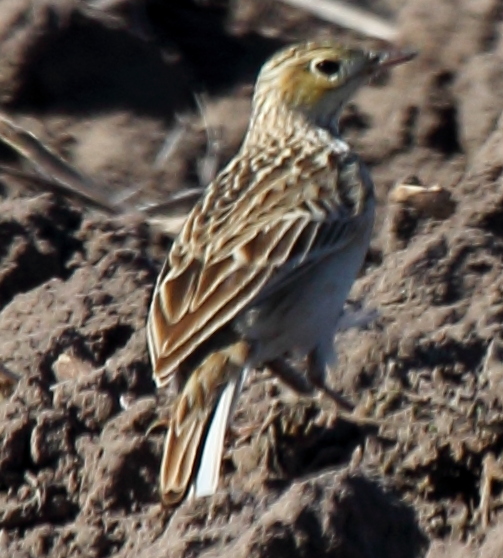
The Great Wagtail is a medium-sized songbird with distinct field marks that make it easily identifiable. Adult Great Wagtails showcase a vibrant black-and-yellow plumage, with the males often displaying more pronounced coloration. The head and throat are black, contrasting with a bright yellow belly and a white vent. Juveniles, on the other hand, have a more subdued coloration with brownish tones and less prominent black markings.
In terms of sexual dimorphism, females are similar to males but slightly duller in hue. Despite these differences, both sexes share the characteristic long, wagging tail that is a hallmark of the species. This tail-wagging behavior is not only a visual cue but also aids in balancing while foraging on uneven surfaces.
When observing the Great Wagtail in flight, its silhouette reveals a slender body with long wings and an elongated tail. The bird perches with an upright posture, often on rocks or low-lying branches, making it a conspicuous presence in its habitat. It might be confused with other wagtail species, but its size and distinct coloration help in accurate identification.
Having trouble telling birds apart? Upload a photo to our bird identification tool for an instant species match.
Great Wagtail Habitat and Range
Preferred Habitat
The Great Wagtail thrives in a variety of habitats, often favoring areas close to water. It is commonly found along riverbanks, lakeshores, and wetlands, where it can forage for insects and other small prey. This bird adapts well to both natural and modified landscapes, including agricultural fields and urban parks.
While it predominantly occupies lowland regions, the Great Wagtail can also be seen at higher elevations, particularly during migration. Its presence in urban areas is notable, as it often utilizes man-made structures for nesting and feeding, showcasing its adaptability.
Throughout the year, the Great Wagtail may shift habitats according to seasonal changes. In warmer months, it occupies regions with abundant insect populations, while in colder seasons, it might migrate to areas with milder climates, ensuring its survival and continued access to food resources.
Geographic Range
The Great Wagtail's range spans across a vast geographic area, with breeding populations primarily located in Asia, extending from the Indian subcontinent to parts of northeastern China and Japan. It is also found in select regions of eastern Europe, where suitable habitats exist.
During winter, the Great Wagtail migrates to southern parts of its range, including regions in Southeast Asia and the Indian subcontinent. This movement is influenced by temperature changes and food availability, allowing the bird to exploit different ecological opportunities throughout the year.
Population density hotspots occur in areas with abundant water sources and insect prey, such as the wetlands of India and the river systems of Southeast Asia. These regions support large numbers of Great Wagtails, particularly during the non-breeding season when the birds congregate in flocks.
Want to know which birds visit your area? Browse our backyard birds by location guides for region-specific species lists.
What Does the Great Wagtail Eat?
The Great Wagtail primarily feeds on insects, which form the bulk of its diet. It employs an active foraging technique, often seen darting along the ground or flitting above water surfaces to catch prey. Its diet includes a variety of insect species such as flies, beetles, and caterpillars, as well as spiders and small crustaceans.
Seasonal changes influence its diet composition. During warmer months, the abundance of insects allows the Great Wagtail to feed extensively on these protein-rich prey. In colder months, when insect availability might decrease, it may supplement its diet with seeds and small aquatic invertebrates.
The Great Wagtail's feeding schedule is primarily diurnal, with peak foraging activity occurring in the morning and late afternoon. This timing coincides with increased prey activity, maximizing feeding efficiency. Its agile movements and keen eyesight enable it to capture fast-moving insects, contributing to its role as an effective insect predator.
Great Wagtail Behavior and Social Structure
The Great Wagtail exhibits a range of fascinating behaviors that reflect its adaptability and social nature. It is generally a solitary bird, but during migration and winter, it may form loose flocks, especially in areas with abundant food resources.
Territorial behavior is prominent during the breeding season, with males establishing and defending territories through song and displays. Courtship displays involve an elaborate series of tail-wagging, fluttering flights, and vocalizations to attract a mate.
In response to predators, the Great Wagtail employs a combination of alarm calls and evasive maneuvers. It is alert and quick to take flight when threatened, often retreating to the safety of dense vegetation or water edges.
This species exhibits a daily rhythm of activities, engaging in foraging, preening, and resting. Early mornings and late afternoons are peak activity periods, while midday is often spent in shaded areas to avoid the heat.
Great Wagtail Nesting and Reproduction
The Great Wagtail constructs its nest with great care, using a variety of natural materials. Nests are typically cup-shaped and consist of grasses, twigs, and moss, lined with softer materials such as feathers and wool. Nest locations vary, with the bird favoring sites close to water, such as riverbanks or lakeshores, often hidden among rocks or vegetation.
Clutch size ranges from four to six eggs, with both parents involved in incubation, which lasts approximately 12 to 14 days. After hatching, both male and female continue to provide care, feeding the chicks a diet rich in insects.
Fledging occurs about 14 to 16 days post-hatching, with young birds gaining independence shortly thereafter. The Great Wagtail may produce two broods per year, depending on environmental conditions and food availability, ensuring reproductive success.
Great Wagtail Sounds and Vocalizations
The Great Wagtail's primary song is a series of clear, melodious notes delivered in rapid succession. This song, often heard during the breeding season, serves to establish territory and attract a mate. The rhythm is lively, and the pitch is medium to high, with a sweet, ringing quality.
Call notes are sharp and include a distinctive 'chissick' sound, used frequently in social interactions and as an alarm signal when danger is perceived. These calls are essential for communication between individuals, especially in dense habitats where visual contact may be limited.
The Great Wagtail's alarm calls are more urgent and quick, alerting nearby birds to the presence of predators. During the dawn chorus, its song blends into the symphony of avian voices, adding to the vibrant soundscape of its habitat.
Interesting Facts About the Great Wagtail
- 1The Great Wagtail can wag its tail up to 60 times per minute, a behavior thought to scare insects into movement.
- 2Despite its name, the Great Wagtail is not the largest in its genus, but it is notable for its bold plumage.
- 3The Great Wagtail's song has been described as a 'waterfall of notes,' reflecting its dynamic vocal abilities.
- 4This species often nests in unusual locations, including abandoned buildings, highlighting its adaptability.
- 5The Great Wagtail can cover over 1,000 kilometers during its migratory journeys between breeding and wintering grounds.
- 6Tail-wagging in the Great Wagtail is not just for show; it helps balance while foraging on uneven surfaces.
- 7The Great Wagtail's diet shift to seeds in winter is a survival tactic when insects are scarce.
Great Wagtail Conservation Status
The Great Wagtail is currently listed as Least Concern by the IUCN, with stable population trends observed across most of its range. However, habitat degradation poses a significant threat, particularly in areas subject to urbanization and agricultural expansion, which can lead to loss of suitable nesting and foraging sites. Conservation efforts focus on preserving wetland habitats and maintaining water quality, essential for supporting the insect populations that the Great Wagtail depends on. Monitoring programs aim to track population changes and ensure that this adaptable species continues to thrive in its diverse habitats. Historically, the Great Wagtail has shown resilience in adapting to changing landscapes, but ongoing conservation measures are crucial to mitigate potential threats and ensure its continued survival.