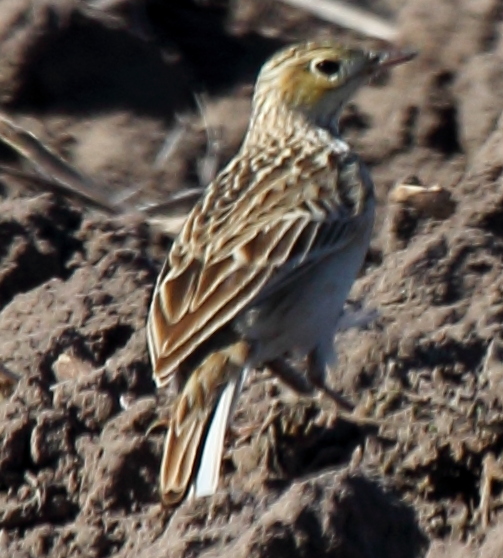
Siberian Wagtail
Motacilla sibilla
Order: Passeriformes / Family: Motacillidae

Wikimedia Commons
About the Siberian Wagtail
The Siberian Wagtail, known scientifically as Motacilla sibilla, is a captivating small bird belonging to the family Motacillidae. This species thrives in a variety of environments, showcasing a remarkable adaptability that contributes to its widespread presence across parts of Asia and Europe. It is predominantly found in open habitats such as grasslands, wetlands, and agricultural fields, where its elegant foraging movements are a common sight. During the breeding season, these birds are often seen in northern regions like Siberia, where they take advantage of the vast open spaces and abundant food resources. In contrast, during the winter months, they migrate to warmer locales in South Asia, including countries like India and Pakistan, demonstrating a significant seasonal movement pattern. The ecological role of the Siberian Wagtail is quite important, as it helps control insect populations in its habitat, thus maintaining a balanced ecosystem. Its presence is often indicative of healthy wetland and grassland environments, which are crucial for a variety of other wildlife species. The wagtail's adaptability to both natural and modified landscapes, such as rice paddies and urban parks, highlights its resilience and ecological significance. However, despite its adaptability, changes in land use and climate could impact its habitats, making ongoing monitoring and conservation efforts essential. The Siberian Wagtail's migratory patterns are also a testament to its role in connecting diverse ecosystems across continents, serving as a vital link in the avian migratory network. This movement not only benefits the birds by providing access to resources year-round but also contributes to gene flow and biodiversity across regions.
The Siberian Wagtail belongs to the family Motacillidae, within the order Passeriformes. These birds typically live typically up to 10 years in the wild, with an average around 5-7 years..
How to Identify a Siberian Wagtail
The Siberian Wagtail displays a striking plumage that makes identification relatively straightforward for experienced birders. Adult birds feature a predominantly gray body with a white belly and a contrasting black throat. The wings are marked with black and white patterns, providing a stark contrast against the gray. Their long tail, typically black with white outer feathers, is often seen wagging up and down, a behavior characteristic of the wagtail family. Juveniles, on the other hand, exhibit more muted tones, with brownish-gray plumage and less defined throat markings. These differences in plumage help differentiate between the age groups in the field. Males and females are similar in appearance, although males might show slightly more vibrant coloration during the breeding season. One potential source of confusion in identification is the White Wagtail, which shares similar habitats and overlapping ranges. However, the Siberian Wagtail's more defined black throat patch and different vocalizations aid in distinguishing the two. In flight, the Siberian Wagtail presents a slender silhouette with rapid wingbeats and a distinctive undulating flight pattern. When perched, they often choose low vantage points such as rocks or fence posts, where their characteristic tail-wagging behavior is prominently displayed.
Having trouble telling birds apart? Upload a photo to our bird identification tool for an instant species match.
Siberian Wagtail Habitat and Range
Preferred Habitat
The Siberian Wagtail inhabits a diverse range of open landscapes, with a preference for grasslands and wetlands. Examples include the expansive steppes of Siberia and the floodplains of major rivers in Central Asia. During migration and winter, it is commonly found in agricultural fields, rice paddies, and even urban parks. These habitats provide ample foraging opportunities and suitable environments for nesting. The elevation range for this species varies, with populations found from sea level up to mountainous regions at altitudes of 2,000 meters. Seasonal shifts in habitat are evident, as the wagtail moves from breeding grounds in the north to wintering areas in the south. In urban settings, these birds adapt well, often frequenting gardens and recreational areas where insects are abundant. Despite their adaptability, the Siberian Wagtail relies on healthy wetland and grassland ecosystems, making habitat conservation crucial for their continued success.
Geographic Range
The Siberian Wagtail's breeding range extends across northern Asia, particularly in Siberia, where it occupies large expanses of open terrain. In the winter, it migrates to South Asia, reaching countries like India, Pakistan, and Nepal. These migratory corridors are essential for the species, providing access to seasonal resources and suitable climates. During migration, the wagtail can be observed in various regions throughout Central Asia, including Kazakhstan and Uzbekistan. Within its range, population densities vary, with higher concentrations typically found in fertile valleys and along riverbanks, where food availability is greatest. The wagtail's presence across these regions highlights its adaptability and resilience in diverse environmental conditions. Monitoring of these populations is vital, as they can serve as indicators of ecosystem health across their range.
Want to know which birds visit your area? Browse our backyard birds by location guides for region-specific species lists.
What Does the Siberian Wagtail Eat?
The Siberian Wagtail primarily feeds on insects, making it an effective insectivore in its habitat. Its diet consists of flies, beetles, and other small arthropods, which it captures using a combination of running and short flights. Seasonal changes influence its diet; during the breeding season, it may consume more aquatic insects found in wetlands. In contrast, during winter, when insects are less abundant, it may also feed on seeds and plant material to supplement its diet. The Siberian Wagtail employs a distinctive foraging technique, often seen darting across open ground in pursuit of prey or gleaning insects from vegetation. Its feeding schedule is largely diurnal, with peak activity occurring during the early morning and late afternoon. This adaptable diet allows the wagtail to thrive in a variety of habitats, from natural grasslands to urban environments.
Siberian Wagtail Behavior and Social Structure
The Siberian Wagtail exhibits interesting behaviors that are characteristic of its family. Socially, they are often seen in loose flocks, especially during migration and in wintering grounds, where they form aggregations in areas with abundant food. During the breeding season, they become more territorial, with males vigorously defending their chosen area through song and displays. Courtship involves an intricate dance, where the male performs a series of hops and tail flicks to attract a mate. Their response to predators is swift and involves a combination of alarm calls and evasive flight, often retreating to dense vegetation or low perches. Daily activity patterns are influenced by light levels, with these birds most active during dawn and dusk when they are seen foraging energetically. Despite their generally solitary breeding behavior, the Siberian Wagtail's ability to form flocks during non-breeding seasons aids in predator avoidance and enhances foraging efficiency.
Siberian Wagtail Nesting and Reproduction
Siberian Wagtails build their nests in well-concealed sites, often choosing ground locations near water sources or dense vegetation. The nest itself is a cup-shaped structure constructed from grasses, moss, and sometimes feathers, providing insulation and camouflage. Clutch sizes typically range from four to six eggs, with the female primarily responsible for incubation, which lasts about 12 to 14 days. Both parents participate in feeding the chicks, which fledge approximately 13 to 16 days after hatching. The species usually raises one or two broods per year, depending on environmental conditions and food availability. Parental roles are well-defined, with both sexes contributing to nest defense and chick provisioning. The choice of nesting site is critical, as it must offer protection from predators and adverse weather.
Siberian Wagtail Sounds and Vocalizations
The primary song of the Siberian Wagtail is a series of clear, high-pitched notes delivered in a rhythmic sequence. This song serves as a territorial and courtship signal, often heard during the breeding season. Their call notes consist of sharp 'chissick' sounds used for communication between individuals, especially in flocks. Alarm calls are more strident, designed to alert others to the presence of potential threats. During the dawn chorus, the Siberian Wagtail's song blends with those of other species, adding to the vibrant soundscape of its habitat. These vocalizations play a crucial role in maintaining social bonds and asserting territorial presence.
Interesting Facts About the Siberian Wagtail
- 1The Siberian Wagtail's tail-wagging behavior is thought to flush insects from hiding, making them easier to catch.
- 2During migration, some Siberian Wagtails travel over 3,000 kilometers from their breeding to wintering grounds.
- 3The Siberian Wagtail can adapt to urban environments, often seen in city parks and gardens where insects are plentiful.
- 4Unlike many songbirds, Siberian Wagtails are known to forage actively on the ground, often running to catch prey.
- 5They are capable of raising two broods per year if conditions are favorable, effectively doubling their reproductive output.
- 6The Siberian Wagtail's migratory journey connects ecosystems across continents, highlighting the importance of international conservation efforts.
- 7These birds exhibit remarkable site fidelity, often returning to the same breeding and wintering locations year after year.
Siberian Wagtail Conservation Status
The IUCN lists the Siberian Wagtail as a species of Least Concern, reflecting a stable global population. However, localized threats such as habitat destruction and climate change pose ongoing challenges. Wetland drainage and agricultural expansion can lead to habitat loss, impacting local populations. Conservation efforts focus on habitat preservation and restoration, particularly in breeding and wintering areas. Historically, the population appears stable, though continuous monitoring is necessary to detect potential declines. Collaborative international efforts are vital to ensure this migratory species can continue to thrive across its extensive range.