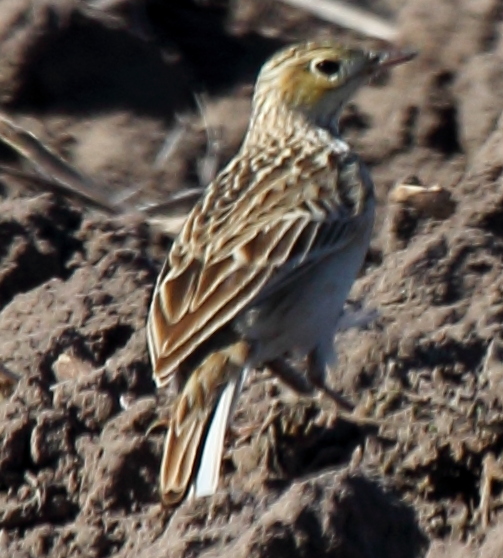
Motacilla thoracica
Motacilla thoracica
Order: Passeriformes / Family: Motacillidae
About the Motacilla thoracica
The Motacilla thoracica, a member of the family Motacillidae, showcases a remarkable adaptability to diverse habitats across its range. Known commonly as the White-throated Wagtail, this bird is a vibrant member of the avian world, thriving in environments that include riversides, open fields, and even urban areas. It is often found in regions such as the foothills of the Himalayas and extends through parts of Southeast Asia. The wagtail's adaptability to different habitats signifies its ecological importance as an insect controller, consuming a variety of insect species that might otherwise proliferate unchecked.
In regions like India and Nepal, the White-throated Wagtail exhibits a strong preference for water-rich environments during the breeding season, building nests near streams and wetlands. During the non-breeding season, it transitions to more arid environments, demonstrating its ability to navigate seasonal changes with ease. The wagtail's presence is a reliable indicator of ecological health, as it thrives in environments where insect populations are diverse and abundant.
The Motacilla thoracica plays a crucial role in its ecosystem, primarily by regulating insect populations through its diet. By feeding on various insects, it helps maintain the balance of its habitat, ensuring that no single species dominates. Furthermore, its migratory patterns contribute to the dispersal of seeds and nutrients, aiding the renewal of plant life in its range. The wagtail's rhythmic song and lively presence add to the biodiversity and aesthetic value of the regions it inhabits, making it a cherished species among both ornithologists and bird enthusiasts.
The Motacilla thoracica belongs to the family Motacillidae, within the order Passeriformes. These birds typically live average 3 years with a maximum recorded of 10 years..
How to Identify a Motacilla thoracica
Adult Motacilla thoracica are easily identified by their striking black and white plumage. The head and throat are predominantly white, sharply contrasting with the black crown and nape. Their wings exhibit a mix of black and white patterns, while the tail is characteristically long and black with white outer feathers. Juveniles appear duller, with a more subdued grayish-brown coloration, lacking the stark contrast of mature birds.
Males and females of the species are similar in appearance, though males may exhibit slightly bolder markings during the breeding season. Differentiating them from similar species such as the Grey Wagtail (Motacilla cinerea) can be achieved by noting the White-throated Wagtail's absence of yellow tones and its distinct white throat patch.
In flight, the White-throated Wagtail displays a distinctive undulating pattern, with rapid wingbeats interspersed with short glides. When perching, it often bobs its tail up and down, a behavior that is a key field mark for identifying this wagtail. This tail-wagging behavior is thought to flush out insect prey while also serving as a communication signal among individuals.
Having trouble telling birds apart? Upload a photo to our bird identification tool for an instant species match.
Motacilla thoracica Habitat and Range
Preferred Habitat
The White-throated Wagtail occupies a wide range of habitats, preferring areas close to water such as riverbanks, lakeshores, and marshes. It is also found in open grasslands and agricultural fields, where its ground-foraging behavior is well suited. In higher altitudes, it inhabits mountainous regions up to 3,500 meters, where it can exploit the rich insect life.
During the breeding season, the wagtail often selects habitats with dense shrubbery or vegetation near water bodies to provide cover and nesting materials. In the winter, it may move to lower altitudes or more arid regions, demonstrating its adaptability to seasonal changes. The wagtail is equally at home in rural and urban settings, frequently seen in city parks and gardens, where it takes advantage of human-altered landscapes for foraging and nesting.
Geographic Range
Motacilla thoracica breeds primarily in the foothills of the Himalayas, extending its range across northern India, Nepal, Bhutan, and into the Tibetan Plateau. Its breeding habitats are typically located at elevations ranging from 1,500 to 3,500 meters.
During winter, the species migrates to lower elevations and southern regions, including southern India and Southeast Asia countries like Thailand and Myanmar. These migration patterns form distinct corridors that are crucial for the bird's survival, as they provide necessary resources during different life stages.
Population density is notably higher in regions such as the Terai-Duar savanna and grasslands of Nepal, where suitable habitats abound. The wagtail's adaptability allows it to take advantage of a variety of environments across its range, making it a widespread and relatively common species.
Want to know which birds visit your area? Browse our backyard birds by location guides for region-specific species lists.
What Does the Motacilla thoracica Eat?
The diet of the Motacilla thoracica primarily consists of insects and other small invertebrates. Its foraging strategy involves active ground searching, where it adeptly snatches prey from the soil or low vegetation. Common prey includes beetles, flies, ants, and various larvae, which it captures with swift, precise movements.
Seasonal variations in diet occur as the wagtail adjusts to the availability of prey. During the breeding season, it may focus on larger prey to meet the nutritional needs of its young, while in the winter months, it can be observed feeding on smaller insects and seeds.
The wagtail's foraging is diurnal, with peak activity occurring in the early morning and late afternoon. This schedule aligns with the periods when insects are most active, enabling the bird to maximize its feeding efficiency. Its ability to adapt its diet to local conditions makes the wagtail an effective and versatile forager.
Motacilla thoracica Behavior and Social Structure
The White-throated Wagtail exhibits a fascinating array of behaviors that reflect its adaptability and social structure. It tends to be solitary or found in pairs during the breeding season, establishing territories along water bodies. Territorial males engage in aerial displays and vocalizations to ward off rivals and attract mates.
Courtship involves elaborate displays, where the male showcases its plumage and sings to the female. These displays often include tail-wagging and fluttering flights, emphasizing the male's vigor and fitness. Once paired, the wagtail maintains a monogamous bond for the breeding season, with both parents involved in rearing the young.
Outside the breeding season, the wagtail may form small flocks, particularly during migration. These flocks provide safety in numbers and facilitate the sharing of information about food sources. In response to predators, wagtails employ a variety of escape tactics, including rapid evasive flights and alarm calls to alert others in the vicinity.
Motacilla thoracica Nesting and Reproduction
Motacilla thoracica typically nests close to ground level, often utilizing natural cavities, crevices, or dense vegetation near water sources. The nest is a cup-like structure constructed from grass, roots, and other plant materials, lined with feathers and hair for insulation.
Clutch size ranges from three to six eggs, which are pale with fine speckling. The female primarily incubates the eggs, while the male guards the territory and provides food. The incubation period lasts about 12 to 14 days, after which the altricial chicks hatch and are fed by both parents.
Fledging occurs approximately two weeks after hatching, with young wagtails remaining dependent on their parents for guidance and feeding for several weeks thereafter. The species often raises two broods per year, taking advantage of abundant food resources during the breeding season.
Motacilla thoracica Sounds and Vocalizations
The White-throated Wagtail is known for its melodious song, a series of rapid, high-pitched notes delivered in a rhythmic sequence. The song is often described as cheerful and lively, serving both to attract mates and establish territory.
In addition to their song, wagtails produce a variety of call notes, including distinct chip-chip sounds used for communication between individuals. Alarm calls are sharper and more urgent, alerting others to potential threats.
During the dawn chorus, the wagtail's clear, ringing song stands out, contributing to the vibrant soundscape of its habitat. Its vocalizations are an integral part of its behavioral repertoire, enhancing its interactions with both conspecifics and other species.
Interesting Facts About the Motacilla thoracica
- 1The White-throated Wagtail's tail-wagging behavior is a unique adaptation that helps flush out insects from vegetation.
- 2Despite its small size, the Motacilla thoracica can cover long distances during migration, showcasing impressive endurance.
- 3This wagtail can often be seen running across open ground, a behavior that sets it apart from many other bird species.
- 4White-throated Wagtails are known to adapt to urban environments, often nesting in man-made structures.
- 5Their distinct flight pattern, characterized by undulating movements, makes them easily recognizable in the field.
- 6Motacilla thoracica uses a variety of vocalizations not only for communication but also for establishing territory.
- 7The species' adaptable diet allows it to thrive in diverse environments, from wetland areas to dry grasslands.
Motacilla thoracica Conservation Status
Currently, the White-throated Wagtail holds a status of Least Concern on the IUCN Red List, reflecting a stable population trend across its range. Despite this, habitat degradation and pollution pose ongoing threats, particularly in wetland areas. Conservation efforts focus on preserving key habitats, particularly wetlands and riparian zones, which are crucial for the wagtail's breeding and foraging. Initiatives include promoting sustainable land-use practices and protecting critical corridors used during migration. Historically, the wagtail has shown resilience to moderate environmental changes, but ongoing conservation measures are vital to prevent future declines. Public awareness campaigns and habitat restoration projects play a significant role in ensuring the long-term survival of this adaptable species.