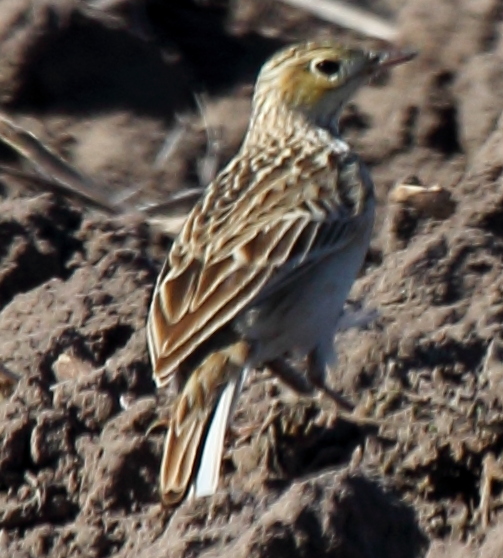
Motacilla yarrellii
Motacilla yarrellii
Order: Passeriformes / Family: Motacillidae

Wikimedia Commons
About the Motacilla yarrellii
The Pied Wagtail, known scientifically as Motacilla yarrellii, is a captivating small bird within the Motacillidae family. Often seen across the British Isles, this bird displays a distinctive black and white coloration that makes it easily identifiable. Its presence is marked by a lively demeanor, frequently bobbing its long tail as it forages along the ground. These birds are not just common in rural landscapes; they have also adapted to urban environments, often seen in city parks and gardens.
The ecological significance of the Pied Wagtail cannot be overstated. It plays a vital role in controlling insect populations, as its diet primarily consists of various invertebrates. This adaptability in diet allows the wagtail to thrive in diverse habitats, ranging from coastal shores to inland agricultural fields. During the spring and summer months, the Pied Wagtail is actively involved in breeding, often choosing sites near water bodies where food is abundant.
The seasonal behaviors of Motacilla yarrellii are particularly intriguing. In winter, many individuals migrate within the UK, moving to milder regions where food remains accessible. Some populations even venture south to continental Europe. Their adaptability to climate variations and ability to exploit different habitats throughout the year highlight their resilience and ecological importance. The Pied Wagtail's presence is a testament to its successful adaptation to both natural and human-altered environments.
The Motacilla yarrellii belongs to the family Motacillidae, within the order Passeriformes. These birds typically live average 5 years, with max recorded up to 10 years..
How to Identify a Motacilla yarrellii
The adult Pied Wagtail possesses a striking appearance dominated by black and white plumage. The head, back, and wings are predominantly black, with contrasting white eyebrows and underparts. This sharp contrast is most noticeable during the breeding season when the black plumage is at its darkest. Juveniles, however, exhibit a more muted gray coloration, lacking the stark black markings of adults, which can cause confusion with similar species like the White Wagtail (Motacilla alba), especially during migration periods.
Male and female Pied Wagtails appear quite similar, though males typically exhibit slightly darker plumage during the breeding season. Both sexes demonstrate similar tail-wagging behavior, which aids in identification. In flight, the Pied Wagtail can be identified by its undulating flight pattern and the prominent white edges on its tail feathers. When perched, its upright posture, combined with continuous tail movement, makes it stand out even in mixed-species flocks.
The Pied Wagtail's silhouette is unique, with a slender body and long tail that is often wagged up and down. This behavior is not only crucial for species identification but also serves to flush prey from hiding, making it an adaptive foraging strategy. The combination of visual traits and behavioral cues makes the Pied Wagtail a distinctive presence in its habitat.
Having trouble telling birds apart? Upload a photo to our bird identification tool for an instant species match.
Motacilla yarrellii Habitat and Range
Preferred Habitat
Pied Wagtails inhabit a diverse range of environments, showcasing their adaptability. They thrive in open habitats such as farmlands, grasslands, and coastal areas, where they can forage for insects. In urban settings, they frequent parks, gardens, and even city centers, taking advantage of human-altered landscapes. Elevationally, they are found from sea level up to the lower mountainous regions, though they prefer areas with close proximity to water bodies like rivers, streams, and ponds.
Seasonal shifts in habitat occur, particularly in winter when many individuals migrate to more temperate areas within the UK, such as southern England, or across to continental Europe. During these colder months, they often gather in large roosts in urban areas, exploiting the warmth and safety of man-made structures. In contrast, during the breeding season, they return to rural landscapes where nesting sites and food are plentiful.
In rural areas, Pied Wagtails often favor habitats with open ground, which aids in spotting invertebrates. They also adapt well to human environments, demonstrating flexibility in habitat selection, which has contributed to their widespread presence across diverse landscapes.
Geographic Range
The range of the Pied Wagtail is primarily concentrated in the British Isles, where it is a resident species year-round. During the breeding season, these birds are found throughout the UK, from the southern coasts of England to the northern reaches of Scotland. While primarily non-migratory, some populations in northern Britain and Ireland exhibit short-distance migratory behavior, moving southward to milder regions during the winter months.
In winter, the range expands slightly as some individuals cross the English Channel to winter in northern France, Belgium, and the Netherlands. This movement is largely dictated by weather conditions and food availability. Although not a long-distance migrant, the Pied Wagtail's short seasonal movements are significant for maintaining population stability.
Population density is highest in areas with abundant water sources and open landscapes, such as wetlands and coastal regions. Urban centers also serve as important wintering sites, providing warmth and food resources. The Pied Wagtail's adaptability to various environments ensures its widespread distribution across its range, making it a familiar sight in both rural and urban settings.
Want to know which birds visit your area? Browse our backyard birds by location guides for region-specific species lists.
What Does the Motacilla yarrellii Eat?
The Pied Wagtail's diet primarily consists of insects and other small invertebrates, which it actively hunts on the ground. Common prey includes flies, beetles, and caterpillars, which it catches through rapid, agile movements. The bird's keen eyesight and quick reflexes make it an adept forager, often seen chasing insects in flight or picking prey from the ground.
Seasonal changes influence the Pied Wagtail's diet. In spring and summer, when insect populations peak, they feed extensively on flying insects, often seen darting through meadows and along riverbanks. In autumn and winter, as insect availability declines, they supplement their diet with seeds and small berries, demonstrating impressive dietary flexibility.
Foraging techniques vary with habitat. In urban areas, Pied Wagtails exploit artificial light sources that attract insects, while in rural environments, they are often seen along water edges, employing their characteristic tail-wagging to disturb prey. This behavior, coupled with their diverse diet, underscores the Pied Wagtail's adaptability and its important role in controlling insect populations across its range.
Motacilla yarrellii Behavior and Social Structure
Pied Wagtails exhibit a range of behaviors that reflect their adaptability and social nature. Typically solitary or found in pairs during the breeding season, these birds become more social in winter, forming large roosts in urban areas. Such gatherings provide warmth and protection, with some roosts numbering in the hundreds.
Territorial behavior is most pronounced during the breeding season. Males establish territories through song and displays, often engaging in aerial chases to deter rivals. Their courtship includes a series of displays where males showcase their plumage and perform aerial acrobatics to attract females.
Daily activity patterns reveal that Pied Wagtails are predominantly diurnal, with peak foraging occurring in the early morning and late afternoon. They display a characteristic tail-wagging behavior that serves both as a foraging technique and a social signal. In response to predators, Pied Wagtails rely on swift flight and their ability to blend into urban environments, where they often find refuge.
The adaptability in their social structure and behavior allows Pied Wagtails to thrive in various environments, from bustling city centers to tranquil rural landscapes, demonstrating their resilience and ecological importance.
Motacilla yarrellii Nesting and Reproduction
The nesting behavior of the Pied Wagtail is a testament to its adaptability. These birds typically construct cup-shaped nests using grass, moss, and other plant materials, often lined with feathers for insulation. Nest sites vary significantly, ranging from natural crevices in trees and rocks to man-made structures like buildings and bridges.
Preferred nesting locations are often near water, providing easy access to food resources. Clutch size generally consists of 4-6 eggs, with both parents sharing incubation duties over approximately two weeks. After hatching, the young are fed by both parents and fledge about 12-14 days later.
Pied Wagtails are capable of raising two, occasionally three, broods per year, depending on food availability and environmental conditions. This prolific breeding strategy contributes to their stable population numbers. The shared parental roles and flexibility in nest site selection highlight the Pied Wagtail's ability to adapt to a range of environmental pressures, ensuring reproductive success across its range.
Motacilla yarrellii Sounds and Vocalizations
The Pied Wagtail's primary song is a series of high-pitched, sweet notes that carry a rhythmic, repetitive quality. This song is often heard during the breeding season as males establish territories and attract mates. Their call notes consist of a sharp 'chissick' or 'chis-it', often repeated in quick succession and used as a contact call between individuals.
Alarm calls, more urgent in tone, are employed to alert conspecifics of potential threats and involve a series of rapid, high-pitched notes. During the dawn chorus, the Pied Wagtail contributes with its clear, melodious song, blending harmoniously with other bird species.
The combination of rhythmic song and distinctive calls makes the Pied Wagtail's vocalizations a familiar soundscape in its habitats, aiding in both communication and territory establishment.
Interesting Facts About the Motacilla yarrellii
- 1Pied Wagtails often form large communal roosts in winter, sometimes numbering a thousand birds.
- 2The tail-wagging behavior of the Pied Wagtail is believed to help flush out prey, making it easier to catch.
- 3Unlike most birds, Pied Wagtails can be seen foraging at night, especially in well-lit urban areas.
- 4During harsh winters, Pied Wagtails have been known to seek warmth by roosting in city center structures.
- 5The Pied Wagtail's adaptability to urban environments has made it a common sight in many European cities.
- 6Historically, Pied Wagtails were considered omens of good fortune in various European cultures.
- 7Their scientific name, Motacilla yarrellii, honors the English ornithologist William Yarrell, who first described the species.
Motacilla yarrellii Conservation Status
Currently, the Pied Wagtail holds a status of least concern according to the IUCN Red List, with stable population trends. Their widespread distribution across varied habitats contributes to this stable outlook. However, primary threats include habitat loss due to urban development and agricultural intensification. Conservation efforts focus on habitat preservation and the maintenance of insect populations, essential for their diet. Historical data suggests fluctuations in numbers due to harsh winters, but overall, the Pied Wagtail has shown resilience in bouncing back from such challenges. Ongoing monitoring and conservation initiatives aim to ensure that the Pied Wagtail remains a common and cherished presence across its range, balancing the pressures of modern landscapes with the need for suitable habitats.