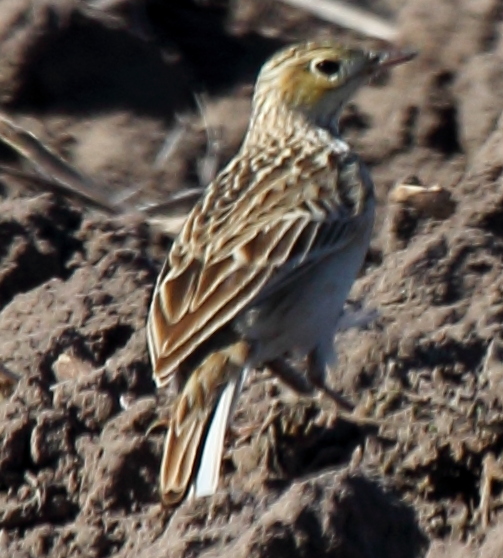
Mountain Wagtail
Motacilla clara
Order: Passeriformes / Family: Motacillidae

Wikimedia Commons
About the Mountain Wagtail
The Mountain Wagtail (Motacilla clara) is a charming and active bird found predominantly in the highland regions of sub-Saharan Africa. Its presence is a delight to birdwatchers due to its elegant poise and characteristic wagging motion of its long tail. Typically inhabiting clear mountain streams and rivers, this species plays a crucial role in the ecosystem, serving as both predator and prey. Mountain Wagtails contribute significantly to controlling insect populations, particularly aquatic insects, thus maintaining ecological balance. These birds are primarily found in countries such as Kenya, Tanzania, and Uganda, extending their range to parts of southern Africa, including Zimbabwe and South Africa. Their reliance on water bodies is evident, as they often frequent riverbanks and rocky streams where small fish and invertebrates abound. During breeding season, the Mountain Wagtail engages in intriguing courtship displays, characterized by aerial chases and melodious songs. This species is a partial migrant, with some populations moving to lower altitudes during colder months. The Mountain Wagtail's adaptability allows it to occupy a variety of microhabitats, though it remains closely tied to water sources. As a result, any alterations to these habitats, such as pollution or water diversion, can significantly impact their populations. Conserving their natural habitat is crucial to ensuring the survival of this distinctive species. Throughout the year, these birds demonstrate a strong preference for environments that offer abundant food and nesting opportunities, allowing them to thrive in a competitive ecosystem. In many areas, the Mountain Wagtail serves as an indicator species, reflecting the health of its freshwater habitat. Its ability to adapt to varying conditions while maintaining its ecological role underscores both its resilience and vulnerability. Understanding and protecting the Mountain Wagtail ensures the preservation of rich biodiversity in African highland ecosystems.
The Mountain Wagtail belongs to the family Motacillidae, within the order Passeriformes. These birds typically live average 3-5 years, with a maximum recorded of 7 years..
How to Identify a Mountain Wagtail
The Mountain Wagtail is a graceful bird with a slender body and a long, distinctively wagging tail. Adults display a predominantly gray plumage with a contrasting white belly and a striking black throat patch. Their wings show a mix of black, gray, and white, creating a subtly patterned appearance. Juveniles, in contrast, have a duller overall color, lacking the prominent black throat patch seen in adults. Both males and females appear similar, though males may have a slightly more pronounced throat patch during the breeding season. In flight, the Mountain Wagtail exhibits a characteristic undulating pattern, with rapid wingbeats followed by short glides. Its perching posture is upright, often accompanied by a rhythmic tail wagging that serves as a key identification feature. While similar species like the African Pied Wagtail (Motacilla aguimp) may cause confusion, the Mountain Wagtail can be distinguished by its more muted coloration and preference for higher altitudes. Observers should note the bird's behavior, as its tail wagging is more pronounced and frequent compared to other wagtail species.
Having trouble telling birds apart? Upload a photo to our bird identification tool for an instant species match.
Mountain Wagtail Habitat and Range
Preferred Habitat
The Mountain Wagtail predominantly inhabits montane regions, favoring fast-flowing streams and rivers with rocky substrates. These water bodies provide both feeding opportunities and suitable nesting sites. Typically found at elevations ranging from 500 to 3000 meters, Mountain Wagtails thrive in areas that offer a mix of open spaces and dense riparian vegetation. They are also occasionally seen in agricultural lands and gardens, especially those adjacent to rivers. Although primarily associated with rural settings, they can adapt to urban environments where natural water sources persist. Seasonal shifts in habitat use occur, with some populations descending to lower altitudes during winter to escape harsh mountain conditions. Their strong association with water means that any habitat shifts are closely tied to the availability of aquatic resources.
Geographic Range
The Mountain Wagtail's range encompasses a wide swathe of sub-Saharan Africa, primarily in the eastern and southern regions. Breeding populations are prevalent in countries such as Kenya, Tanzania, Uganda, Zambia, and South Africa. During the non-breeding season, some birds migrate to lower altitudes, while others remain as resident populations. The species tends to avoid arid regions, preferring the lush, water-rich environments of the highlands. Areas like the Eastern Arc Mountains and the Drakensberg range serve as key population centers, where their density peaks due to optimal habitat conditions. Migration corridors are often limited to local altitudinal movements rather than long-distance travel.
Want to know which birds visit your area? Browse our backyard birds by location guides for region-specific species lists.
What Does the Mountain Wagtail Eat?
The Mountain Wagtail primarily feeds on a diet rich in insects, favoring aquatic insects such as caddisflies, mayflies, and dragonflies. These insects are often caught in mid-air or picked from the water's surface, showcasing the bird's agile foraging techniques. Their diet also includes small crustaceans, fish fry, and occasionally seeds. During the breeding season, the demand for protein-rich food increases, leading to a greater focus on insect prey. Foraging typically occurs along riverbanks and streams, where the Mountain Wagtail can be seen darting and sallying in pursuit of prey. Feeding activity usually peaks during the early morning and late afternoon when insect activity is highest.
Mountain Wagtail Behavior and Social Structure
Mountain Wagtails display a complex array of behaviors, reflecting their adaptability and social nature. These birds are generally seen in pairs or small family groups, particularly during the breeding season. Territorial behavior is pronounced, with males defending their chosen stretch of riverbank through song and aerial displays. Courtship involves synchronized flight patterns and mutual preening between mates. During non-breeding periods, Mountain Wagtails may form loose flocks, often with other wagtail species, capitalizing on communal foraging opportunities. Alarm calls are sharp and piercing, serving as a warning signal to both conspecifics and other species. The Mountain Wagtail's daily routine involves active foraging interspersed with periods of rest, typically in shaded areas near water.
Mountain Wagtail Nesting and Reproduction
Mountain Wagtails nest close to water, utilizing natural crevices in riverbanks, rocks, or man-made structures such as bridges. Nests are cup-shaped, constructed from grass, moss, and lined with softer materials such as feathers. A typical clutch consists of 3 to 5 eggs, with both parents sharing incubation duties over a period of approximately 12 to 14 days. Once hatched, the nestlings remain in the nest for about 14 to 16 days before fledging. During this time, both parents partake in feeding and protecting the young. The species generally produces two broods per year, taking advantage of prolonged wet seasons in some regions.
Mountain Wagtail Sounds and Vocalizations
The primary song of the Mountain Wagtail is a melodious series of high-pitched chirps and warbles, often delivered from a prominent perch or during flight. Calls are sharp and consist of short 'twee' or 'tsip' notes, used in various social interactions and as alarm signals. During the dawn chorus, their song blends with those of other riverine birds, creating a symphony of sound along waterways. The Mountain Wagtail's vocalizations are less complex compared to those of some other wagtail species, yet they carry a distinctive quality that aids in identification.
Interesting Facts About the Mountain Wagtail
- 1The Mountain Wagtail can wag its tail up to 60 times per minute, a behavior still not fully understood by scientists.
- 2Mountain Wagtails are one of the few bird species that can thrive in both natural and urban environments with suitable water features.
- 3These wagtails are known to follow cattle in pastures, capturing insects disturbed by the animals' movements.
- 4The Mountain Wagtail has been observed using its tail wagging as a form of communication, signaling alarm or attracting mates.
- 5Despite their name, Mountain Wagtails are not strictly confined to mountainous regions, often found in lowland areas with fast-flowing rivers.
Mountain Wagtail Conservation Status
Currently, the Mountain Wagtail holds a status of Least Concern according to the IUCN Red List. Population trends appear stable, though localized threats such as habitat destruction, pollution, and climate change could pose risks. Conservation efforts focus on preserving riverine habitats and mitigating water pollution. Historically, the species has shown resilience, adapting to moderate environmental changes. Continued monitoring is essential to ensure that populations remain healthy and thriving across their range.