Paramo Pipit
Anthus bogotensis
Order: Passeriformes / Family: Motacillidae

Wikimedia Commons
About the Paramo Pipit
The Paramo Pipit, known scientifically as Anthus bogotensis, occupies a unique ecological niche within the high-altitude grasslands of the tropical Andes. These birds thrive in the harsh paramo ecosystems found in countries like Colombia, Ecuador, and Peru. The paramo is a treeless, windswept region with a cool climate and frequent fog and frost. Despite the challenging environment, the Paramo Pipit plays a crucial role as both a predator of insects and a prey item for larger birds of prey. The species' presence serves as an indicator of the health of these sensitive ecosystems. The adaptability of the Paramo Pipit to the specific climatic and vegetative conditions of the paramo highlights its ecological importance. During the rainy season, typically from October to May, the pipit is most active. It benefits from the increased insect activity and plant growth that accompany the rains. As a year-round resident, the Paramo Pipit does not migrate, but it may adjust its altitude slightly in response to changes in weather and food availability. The Paramo Pipit's significance extends beyond its ecological role. It contributes to the biodiversity of the paramo, a hotspot for unique flora and fauna. Conservation efforts aimed at protecting the paramo indirectly benefit the pipit, emphasizing the interconnectedness of the species within this environment. As climate change poses a threat to high-altitude habitats worldwide, preserving the Paramo Pipit's habitat becomes increasingly vital. The bird's resilience and adaptability make it an intriguing subject for ornithologists and naturalists dedicated to understanding mountain ecosystems.
The Paramo Pipit belongs to the family Motacillidae, within the order Passeriformes. These birds typically live average 3-5 years with a max recorded of 8 years..
How to Identify a Paramo Pipit
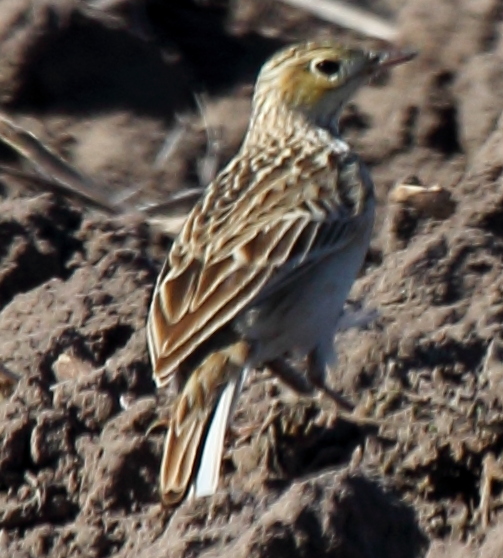
The Paramo Pipit exhibits a distinct appearance with its streaked brown plumage, which provides effective camouflage against the grassy paramo backdrop. Adults have a buffy-brown upperpart with dark streaks, while the underparts are paler with less pronounced streaking. The face features a faint pale supercilium, adding to its subtle, earthy tones. Juvenile Paramo Pipits resemble adults but tend to have more pronounced streaking on the underparts. In terms of sexual dimorphism, differences between males and females are minimal, making it challenging to distinguish them in the field. One key identification mark is the bird's flight silhouette. The Paramo Pipit exhibits a slender body with long legs and a relatively short tail. When perched, it often adopts an upright posture, characteristically bobbing its tail. This behavior, combined with its distinctive call notes, can help differentiate it from similar species. The Paramo Pipit's habitat preferences also aid in identification. Unlike the closely related Grassland Yellow-Finch, which inhabits lower elevations, the Paramo Pipit is almost exclusively found in high-altitude grasslands.
Having trouble telling birds apart? Upload a photo to our bird identification tool for an instant species match.
Paramo Pipit Habitat and Range
Preferred Habitat
Paramo Pipits inhabit the unique paramo ecosystems of the Andes. These high-altitude grasslands, found between 3,000 and 4,500 meters, provide the open spaces and grass cover that the pipits prefer. The terrain is often rugged, with a mix of grasses, shrubs, and scattered rocky outcrops. This type of habitat offers the insects and seeds needed for the pipit's diet. During the rainy season, the paramo becomes lush and vibrant, providing ample food resources. While Paramo Pipits are primarily found in these high-altitude environments, they may occasionally venture into adjacent areas with similar vegetation. However, they are rarely observed in urban settings or heavily forested regions. The paramo's unique climatic conditions, including frequent fog and frost, shape the habitat and influence the bird's behavior, making it an essential component of this ecosystem.
Geographic Range
The Paramo Pipit inhabits the Andes mountain range, predominantly within Colombia, Ecuador, and northern Peru. Their range is restricted to the high-altitude paramo ecosystems, which are exclusive to these regions. Unlike many other pipit species, the Paramo Pipit does not migrate long distances, instead remaining a resident species within its range. However, local altitudinal movements may occur in response to weather conditions and food availability. Population densities of the Paramo Pipit are generally higher in expansive, undisturbed paramo areas, where the habitat remains intact and human disturbance is minimal. In regions where the paramo has been fragmented or altered by agriculture, pipit populations are less dense, highlighting the species' reliance on pristine grassland environments for survival.
Want to know which birds visit your area? Browse our backyard birds by location guides for region-specific species lists.
What Does the Paramo Pipit Eat?
The Paramo Pipit's diet primarily consists of insects and other small invertebrates, which it forages from the ground. During the rainy season, when insect activity peaks, the pipit actively searches for beetles, ants, and grasshoppers, as well as spiders and other arthropods. In addition to insects, the Paramo Pipit consumes seeds and small fruits, especially when invertebrate prey is scarce. The bird employs a combination of walking and short flights to locate food, carefully inspecting the ground and vegetation with its sharp eyesight. Foraging typically occurs during daylight hours, with peak activity in the early morning and late afternoon. The Paramo Pipit's dietary habits underscore its role as an insectivore and seed disperser, contributing to the ecological balance of the paramo.
Paramo Pipit Behavior and Social Structure
Paramo Pipits are solitary or found in pairs, exhibiting strong territorial behavior, especially during the breeding season. Males perform aerial displays with fluttering flights to establish territories and attract mates. These displays often involve singing while perched or during short flights. When threatened by predators, Paramo Pipits rely on their cryptic plumage to remain undetected. However, they will take flight if approached closely, usually flying short distances before landing and resuming their bobbing behavior. Daily activity revolves around foraging, with periods of rest and preening interspersed throughout the day. Paramo Pipits are generally more active during cooler parts of the day, avoiding the midday sun when temperatures rise.
Paramo Pipit Nesting and Reproduction
The nesting habits of the Paramo Pipit reflect adaptations to its high-altitude environment. Nests are typically situated on the ground, concealed within dense grass or small shrubs to provide protection from predators and harsh weather. The nest itself is a simple cup-shaped structure constructed from grasses and lined with finer plant materials. A typical clutch consists of 2-4 eggs, with both parents participating in incubation, which lasts approximately two weeks. After hatching, the chicks remain in the nest for about 14-16 days before fledging. Parental care continues after fledging, with the adults feeding the young until they become independent. The number of broods per year depends on environmental conditions, but typically, only one brood is produced annually given the challenging habitat.
Paramo Pipit Sounds and Vocalizations
The Paramo Pipit's primary song is a series of high-pitched, melodic notes delivered in a rapid sequence. These notes have a tinkling quality, reminiscent of small bells. The song serves both territorial and mate-attraction purposes. In addition to its song, the Paramo Pipit emits sharp call notes when alarmed, alerting others to potential threats. During the dawn chorus, the pipit's song becomes more pronounced, blending with the vocalizations of other grassland species. Its vocalizations, while not as varied as some passerines, are distinctive enough to aid in identification, especially in the open paramo where sound travels well.
Interesting Facts About the Paramo Pipit
- 1The Paramo Pipit is one of the few bird species adapted to live exclusively in the high-altitude paramo habitats of the Andes.
- 2Despite the paramo's harsh conditions, the Paramo Pipit thrives due to its specialized diet and nesting strategies.
- 3Researchers often use the presence of Paramo Pipits as an indicator of ecosystem health in the paramo regions.
- 4The Paramo Pipit's song is crucial for maintaining territories in the vast, open landscapes it inhabits.
- 5Climate change poses a significant threat to the Paramo Pipit, as its specialized habitat is highly sensitive to temperature shifts.
Paramo Pipit Conservation Status
The Paramo Pipit currently holds a status of Least Concern according to the IUCN Red List. However, its population trend is subject to monitoring due to habitat loss and degradation, primarily from agricultural expansion and climate change. The paramo ecosystem faces threats from grazing, burning, and conversion to farmland, all of which impact the pipit's habitat. Conservation efforts focus on protecting these high-altitude grasslands, which benefit not only the Paramo Pipit but also the broader paramo biodiversity. Historical data suggests that the species has maintained stable populations where habitats remain undisturbed.