
Rufous-naped Greenlet
Hylophilus semibrunneus
Order: Passeriformes / Family: Vireonidae

Wikimedia Commons
About the Rufous-naped Greenlet
The Rufous-naped Greenlet (Hylophilus semibrunneus) is a small yet vibrant songbird belonging to the Vireonidae family, well adapted to life in the montane forests of South America. This species takes residence primarily along the Andean slopes, extending from Venezuela through Colombia and into Ecuador. The natural habitats of the Rufous-naped Greenlet are typically subtropical or tropical moist montane forests, where it plays a critical ecological role as an insectivore, helping control insect populations. During the breeding season, the bird is often found in pairs or small family groups, actively constructing nests and rearing young. Outside of this period, it may join mixed-species foraging flocks, a behavior that increases its feeding efficiency and enhances predator avoidance. Its presence in these ecosystems highlights the rich biodiversity of the Andes and underscores the importance of preserving high-altitude forest habitats. Seasonal behaviors of the Rufous-naped Greenlet include altitudinal migrations, which it undertakes to exploit different feeding opportunities and climatic conditions throughout the year. These migrations, while not as extensive as those of some long-distance migratory birds, demonstrate the species' adaptability to varying environmental conditions. The Rufous-naped Greenlet's ecological significance extends beyond its role in insect control; it also serves as prey for larger avian predators, forming a vital link in the food web. Conservation of its habitat is crucial, as deforestation and habitat fragmentation pose significant threats to its survival. Efforts to preserve these montane forests will not only benefit the Rufous-naped Greenlet but also countless other species that share its environment.
The Rufous-naped Greenlet belongs to the family Vireonidae, within the order Passeriformes. These birds typically live average 4 years, maximum recorded 6 years..
How to Identify a Rufous-naped Greenlet
Identifying the Rufous-naped Greenlet involves observing several key field marks. Adults showcase a distinct rufous-colored crown that stands out against their otherwise olive-green plumage. The underparts are lighter, often appearing grayish or whitish, which can aid in differentiation from similar species. Juveniles lack the prominent rufous crown seen in adults, making age determination possible in the field. Males and females do not exhibit significant differences in plumage, simplifying identification between sexes. In flight, the Rufous-naped Greenlet presents a compact, agile silhouette, characterized by rapid wingbeats and short glides. Its perching posture is typically upright, and it frequently flits between branches as it forages. Similar species that might cause confusion include other members of the genus Hylophilus, but the Rufous-naped Greenlet's rufous crown is a reliable distinguishing feature. Observers should also note its size, as it is relatively small compared to some other vireonids, aiding in accurate identification.
Having trouble telling birds apart? Upload a photo to our bird identification tool for an instant species match.
Rufous-naped Greenlet Habitat and Range
Preferred Habitat
The Rufous-naped Greenlet thrives in subtropical and tropical moist montane forests, particularly along the Andean slopes. It is frequently found at elevations ranging from 1,200 to 2,400 meters, although it may occasionally venture slightly higher or lower depending on local conditions. These birds favor forest edges and secondary growth, areas rich in insect life and offering ample foraging opportunities. During the non-breeding season, the Rufous-naped Greenlet may descend to lower elevations, reflecting a seasonal habitat shift that enables it to exploit different ecological niches. Unlike some avian species, it does not typically inhabit urban areas, preferring the lush, dense foliage of natural forest environments. Despite this preference, it can adapt to certain modified landscapes, provided these areas retain sufficient tree cover and food resources.
Geographic Range
The Rufous-naped Greenlet is predominantly found in the Andes, with its range spanning northern South America. Its breeding range includes the montane forests of Venezuela, Colombia, and Ecuador, where it occupies suitable habitats year-round. While it is not a long-distance migratory bird, the species does engage in local altitudinal movements, shifting to lower elevations outside the breeding season. These movements are generally limited to within its established range, allowing it to remain within familiar territories. Population density varies across its range, with higher concentrations observed in areas where forest cover remains intact. Conservation efforts are essential in these regions, as deforestation threatens to reduce available habitat. As a relatively common species within its preferred range, the Rufous-naped Greenlet serves as an indicator of forest health, with its presence or absence reflecting broader ecological conditions.
Want to know which birds visit your area? Browse our backyard birds by location guides for region-specific species lists.
What Does the Rufous-naped Greenlet Eat?
The diet of the Rufous-naped Greenlet primarily consists of insects and other small invertebrates, making it an important insectivore in its ecosystem. It employs a variety of foraging techniques, including gleaning insects from leaves and branches and occasionally hawking flying insects in mid-air. During the breeding season, its diet may shift to include a greater proportion of protein-rich prey, supporting the nutritional needs of developing chicks. The bird's small size allows it to target a wide range of insect prey, from tiny aphids to larger beetles. Seasonal changes in food availability influence its foraging behavior, with the Rufous-naped Greenlet adapting its diet to include more fruit and seeds during times when insects are less abundant. This flexibility in diet helps sustain the species through periods of scarcity and highlights its adaptability to fluctuating environmental conditions.
Rufous-naped Greenlet Behavior and Social Structure
Socially, the Rufous-naped Greenlet is known for its cooperative behavior, often joining mixed-species flocks outside the breeding season. This behavior not only enhances foraging success but also provides increased protection against predators. Within these flocks, the bird exhibits a non-aggressive demeanor, maintaining a harmonious presence as it moves through the forest canopy. Territorial behavior becomes more pronounced during the breeding season, with pairs actively defending nest sites and surrounding areas from intruders. Courtship displays are subtle yet vital for pair bonding, involving vocalizations and mutual preening. Daily activities of the Rufous-naped Greenlet predominantly occur in the early morning and late afternoon, coinciding with peak insect activity. The species remains vigilant against avian predators, with alarm calls and evasive maneuvers playing crucial roles in its anti-predator strategy. While generally solitary or in pairs during breeding, the Rufous-naped Greenlet showcases remarkable adaptability in its social structure, shifting behavior to best suit its ecological context.
Rufous-naped Greenlet Nesting and Reproduction
Nesting habits of the Rufous-naped Greenlet reflect its preference for well-concealed locations. The nest, a delicate cup constructed from fine grasses, moss, and spider silk, is typically situated in the fork of a tree branch. This strategic placement provides protection from both predators and environmental elements. Clutch size generally ranges from two to three eggs, with both parents sharing incubation duties over a period of approximately 14 days. Once hatched, chicks remain in the nest for an additional 12 to 15 days before fledging. Parental care continues beyond fledging, with adults providing food and guidance as the young develop independence. The Rufous-naped Greenlet usually produces one brood per year, although favorable conditions may occasionally allow for a second. The species' nesting success is closely linked to habitat quality, underscoring the importance of preserving its forest environment.
Rufous-naped Greenlet Sounds and Vocalizations
The vocal repertoire of the Rufous-naped Greenlet includes a primary song that is characterized by a series of melodious, high-pitched whistles. These notes follow a rhythmic pattern, often repeated multiple times in succession. The quality of the song is clear and musical, serving as both a mating call and a territorial declaration. In addition to its song, the Rufous-naped Greenlet produces a variety of call notes, including soft 'chip' sounds used for communication between mates or with offspring. Alarm calls are sharper and more urgent, designed to alert conspecifics to the presence of predators. The bird participates in the dawn chorus, adding its distinctive voice to the symphony of sounds that greet the day in montane forests.
Interesting Facts About the Rufous-naped Greenlet
- 1The Rufous-naped Greenlet is known to vocalize up to 10 times per minute during peak singing periods.
- 2Despite its small size, the Rufous-naped Greenlet can cover significant ground, foraging across several hectares in a single day.
- 3The species is part of mixed-species flocks that can include up to 30 different bird species, enhancing foraging success.
- 4Rufous-naped Greenlets are insectivores but will consume fruit during lean insect periods, showcasing dietary adaptability.
- 5Their nests are often lined with spider silk, providing structure and flexibility to withstand weather conditions.
- 6The Rufous-naped Greenlet's song is so distinctive that it can be used to differentiate it from other vireos and greenlets in the field.
- 7Breeding pairs of Rufous-naped Greenlets demonstrate strong fidelity, often reusing successful nesting sites in subsequent years.
Rufous-naped Greenlet Conservation Status
The Rufous-naped Greenlet currently holds a conservation status of Least Concern according to the IUCN, with populations considered stable across its range. Nevertheless, habitat destruction due to logging and agricultural expansion poses a significant threat. Conservation efforts focus on preserving remaining forest tracts within its range and promoting sustainable land-use practices. Historically, the bird has showcased resilience to moderate habitat changes, but continued loss of forest cover could lead to future population declines. Protecting its habitat not only benefits the Rufous-naped Greenlet but also supports the broader biodiversity of the Andean montane ecosystems.
Other Vireonidae Species
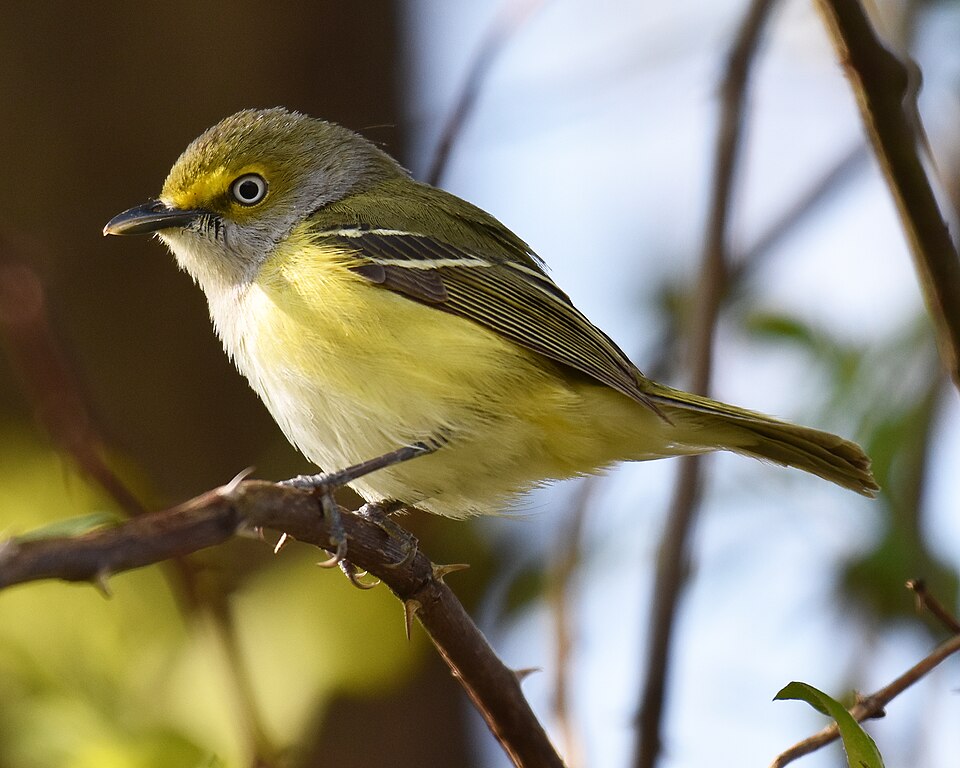

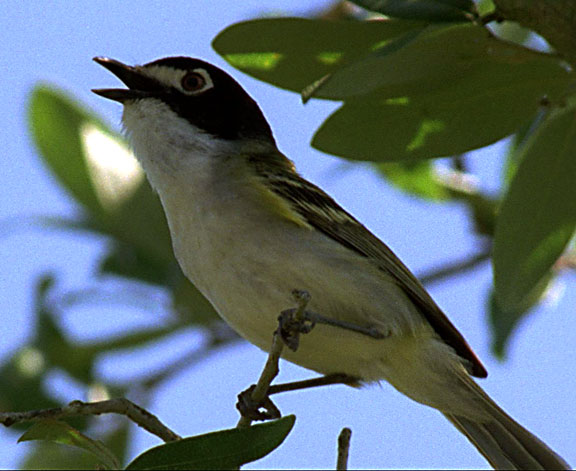

Birds Similar to the Rufous-naped Greenlet
These species are often confused with the Rufous-naped Greenlet due to similar appearance or overlapping range.
