
Silver-eared Laughingthrush
Trochalopteron melanostigma
Order: Passeriformes / Family: Leiothrichidae

Wikimedia Commons
About the Silver-eared Laughingthrush
The Silver-eared Laughingthrush, scientifically known as Trochalopteron melanostigma, is a captivating bird native to the mountainous regions of Southeast Asia. Renowned for its melodious vocalizations and striking appearance, this bird plays a vital role in the ecosystems it inhabits. Its presence is mostly noted in the subtropical and tropical moist montane forests, with a preference for dense undergrowth and bamboo groves. This bird is particularly significant as an indicator species, where its health and population trends reflect the overall well-being of its habitat. The Silver-eared Laughingthrush primarily inhabits the Eastern Himalayas, extending across parts of Myanmar, Thailand, Laos, and Vietnam. In these regions, it is often found at elevations ranging from 1,000 to 3,000 meters, favoring areas with rich vegetation where it can forage and find shelter. This species adapts to a variety of forested environments, provided there is sufficient canopy cover and a diverse understory. During the breeding season, which typically occurs from April to June, the Silver-eared Laughingthrush exhibits increased vocal activity, with pairs engaging in complex duets that serve both as territorial markers and bonding rituals. Outside of the breeding season, these birds may form loose flocks with other laughingthrushes or related species, enhancing their foraging efficiency and providing added protection against predators. Ecologically, the Silver-eared Laughingthrush contributes to seed dispersal and insect population control, maintaining the delicate balance within its habitat. Its diet consists of a mix of fruits, seeds, and insects, which it actively forages from the forest floor or low vegetation. Seasonal variations in food availability influence its feeding patterns, with a greater reliance on insects during the wet season when they are more abundant. Given its role in the ecosystem and its popularity among birdwatchers, the Silver-eared Laughingthrush holds both ecological and cultural significance in the regions it inhabits.
The Silver-eared Laughingthrush belongs to the family Leiothrichidae, within the order Passeriformes. These birds typically live typically 5-8 years in the wild..
How to Identify a Silver-eared Laughingthrush
The Silver-eared Laughingthrush is a medium-sized bird, measuring approximately 25 centimeters in length. Its plumage is predominantly olive-brown with a rich chestnut hue on the wings and back. The most distinguishing feature is the conspicuous silver streak on the sides of its head, extending from the base of the beak to the nape, giving the bird its common name. Adult birds exhibit a black mask-like pattern around the eyes, contrasting sharply with the silver ear patches. Juvenile birds resemble adults but have duller plumage and less pronounced silver markings. In terms of sexual dimorphism, males and females appear similar, though males may exhibit slightly brighter plumage during the breeding season. In flight, the Silver-eared Laughingthrush displays broad wings and a moderately long tail, contributing to its agile flight pattern. When perched, it adopts an upright posture, often flicking its tail and wings as it surveys its surroundings. The bird's striking appearance can lead to confusion with similar species, such as the Chestnut-crowned Laughingthrush, but the silver ear patches and lack of a chestnut crown are reliable distinguishing features.
Having trouble telling birds apart? Upload a photo to our bird identification tool for an instant species match.
Silver-eared Laughingthrush Habitat and Range
Preferred Habitat
The Silver-eared Laughingthrush primarily inhabits subtropical and tropical moist montane forests, where it thrives in dense undergrowth and bamboo thickets. It is frequently found at elevations ranging from 1,000 to 3,000 meters, preferring areas with ample canopy cover and a rich understory. These birds are adaptable to various forest types, from primary forests to secondary growth, provided the vegetation is dense enough to offer shelter and foraging opportunities. They are seldom found in urban areas, maintaining a preference for rural and remote forested regions. Seasonal changes in habitat use are minimal, as the bird tends to remain in montane environments year-round, although it may descend to lower elevations during harsh weather conditions.
Geographic Range
The breeding range of the Silver-eared Laughingthrush extends across the Eastern Himalayas, encompassing countries such as Bhutan, northeastern India, and parts of southern China. Beyond the Himalayas, their range stretches through Myanmar into Thailand, Laos, and Vietnam. This species is largely resident, with little to no significant migratory movement, though some altitudinal migration may occur in response to seasonal weather changes. Population density is highest in regions with undisturbed montane forests, where the birds can find suitable nesting and foraging conditions. Although the Silver-eared Laughingthrush is considered a common species within its range, habitat loss and fragmentation pose potential threats to its population stability.
Want to know which birds visit your area? Browse our backyard birds by location guides for region-specific species lists.
What Does the Silver-eared Laughingthrush Eat?
The diet of the Silver-eared Laughingthrush consists primarily of fruits, seeds, and insects. During the wet season, when insect populations are abundant, these birds increase their intake of protein-rich insects such as beetles, caterpillars, and ants. They forage actively within low vegetation and on the forest floor, using their beaks to probe and overturn leaf litter in search of hidden prey. In drier seasons or when insects are less available, the Silver-eared Laughingthrush relies more heavily on fruits and seeds, which offer essential nutrients and energy. Their diet variability helps them adapt to changing seasonal food availability, ensuring their survival and reproductive success.
Silver-eared Laughingthrush Behavior and Social Structure
The Silver-eared Laughingthrush exhibits social and gregarious behavior, often seen in pairs or small family groups. These birds are territorial during the breeding season, with males actively defending their territory through song and displays. Courtship involves a series of vocal duets, where pairs harmonize their calls as part of their bonding rituals. Outside the breeding season, Silver-eared Laughingthrushes may join mixed-species flocks, which enhances their foraging efficiency and provides safety in numbers against predators. Their daily activity pattern includes periods of active foraging in the early morning and late afternoon, with rest and preening during the midday heat. When threatened by predators, these birds employ a range of alarm calls and scolding notes to alert others in the vicinity. Despite their social nature, they maintain a certain level of caution, often retreating into dense cover when approached by humans or larger animals.
Silver-eared Laughingthrush Nesting and Reproduction
The nesting habits of the Silver-eared Laughingthrush involve constructing cup-shaped nests using a variety of materials such as twigs, leaves, and moss. These nests are typically located in dense shrubs or low trees, providing concealment from predators. The typical clutch size ranges from two to four eggs, which are incubated by the female for approximately 14 days. Both parents share the responsibility of feeding and caring for the altricial chicks, which fledge about two weeks after hatching. The species is known to produce one or two broods per year, depending on environmental conditions and food availability. Parental care extends beyond fledging, with juveniles remaining with the parents for several weeks as they learn essential survival skills.
Silver-eared Laughingthrush Sounds and Vocalizations
The Silver-eared Laughingthrush is known for its rich, melodious song, characterized by a series of clear, fluty notes delivered in rapid succession. Each phrase typically ends with a distinctive laughing call, which is both a territorial and social signal. Their call notes vary from soft whistles to sharp, scolding sounds, used for communication within flocks or as alarm signals. During the dawn chorus, their vocalizations stand out, often beginning before sunrise and continuing throughout the early morning. This bird's song is an integral part of its identity, often likened to the sound of cascading water due to its fluidity and rhythm.
Interesting Facts About the Silver-eared Laughingthrush
- 1The Silver-eared Laughingthrush is part of a diverse group of over 45 species of laughingthrushes, known for their vocal prowess.
- 2Despite being non-migratory, the Silver-eared Laughingthrush may move to lower elevations during harsh winters to find food.
- 3The bird's name 'laughingthrush' comes from its distinctive vocalizations that resemble laughter.
- 4It is common for Silver-eared Laughingthrushes to participate in mixed-species flocks, benefiting from increased foraging success.
- 5The Silver-eared Laughingthrush's plumage provides excellent camouflage among the montane forest foliage, aiding in predator evasion.
Silver-eared Laughingthrush Conservation Status
The Silver-eared Laughingthrush is currently listed as a species of Least Concern by the IUCN, with stable population trends observed across most of its range. However, ongoing threats such as habitat destruction, deforestation, and human encroachment pose risks to its long-term survival. Conservation efforts focus on habitat preservation and restoration, particularly in areas where forest fragmentation is prominent. Historical records indicate that while some local populations have declined, others have remained stable or even increased, particularly in protected areas where conservation measures have been effectively implemented.
Other Leiothrichidae Species

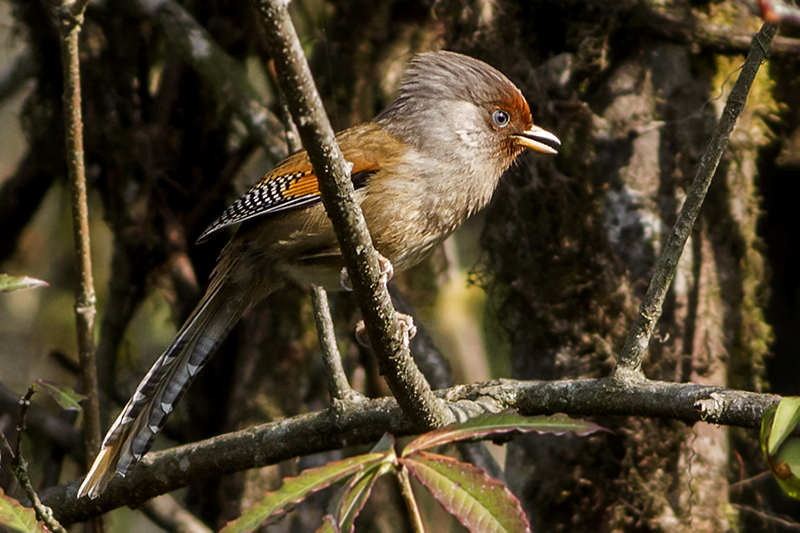

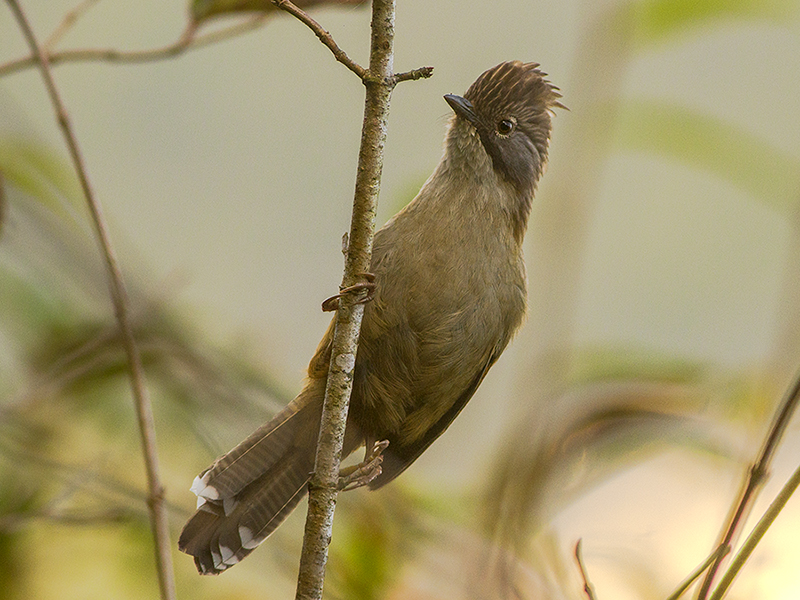
Birds Similar to the Silver-eared Laughingthrush
These species are often confused with the Silver-eared Laughingthrush due to similar appearance or overlapping range.

