
Philadelphia Vireo
Sylvia philadelphia
Order: Passeriformes / Family: Sylviidae

Wikimedia Commons
About the Philadelphia Vireo
The Philadelphia Vireo (Vireo philadelphicus) is a small songbird treasured by birdwatchers for its subtle beauty and melodious song. Despite its name, this bird is rarely seen in Philadelphia, instead favoring the rich deciduous woodlands of North America. It plays a significant role in forest ecosystems, acting as both a consumer of insects and a prey item for larger predators. During the breeding season, the Philadelphia Vireo is primarily found in the boreal forests of Canada, from the Yukon and British Columbia across to Newfoundland and Labrador. Their presence in these expansive woodlands highlights their preference for dense, mixed hardwood forests where they can find ample food and suitable nesting sites.
Ecologically, the Philadelphia Vireo contributes to insect population control, feeding extensively on caterpillars and other small insects. This role is particularly crucial during the breeding season when insect abundance supports not only the adults but their growing chicks. As fall approaches, these vireos migrate southward to Central America and northern South America, including countries such as Mexico, Belize, and Honduras. During migration, they are often observed in a variety of wooded habitats, including edges of forests and riparian zones, demonstrating their adaptability to different environments.
Seasonal behaviors of the Philadelphia Vireo are dictated by the need to reproduce and survive. During the breeding season, they are often solitary or found in pairs, focusing on nest building and rearing young. As they migrate, they may join mixed-species flocks, which offer increased protection from predators and more efficient foraging opportunities. Understanding the Philadelphia Vireo's seasonal movements and ecological roles provides insight into the delicate balance of forest ecosystems and the importance of conservation efforts to protect these vital habitats.
The Philadelphia Vireo belongs to the family Sylviidae, within the order Passeriformes. These birds typically live average 5 years with a max recorded of 10 years..
How to Identify a Philadelphia Vireo
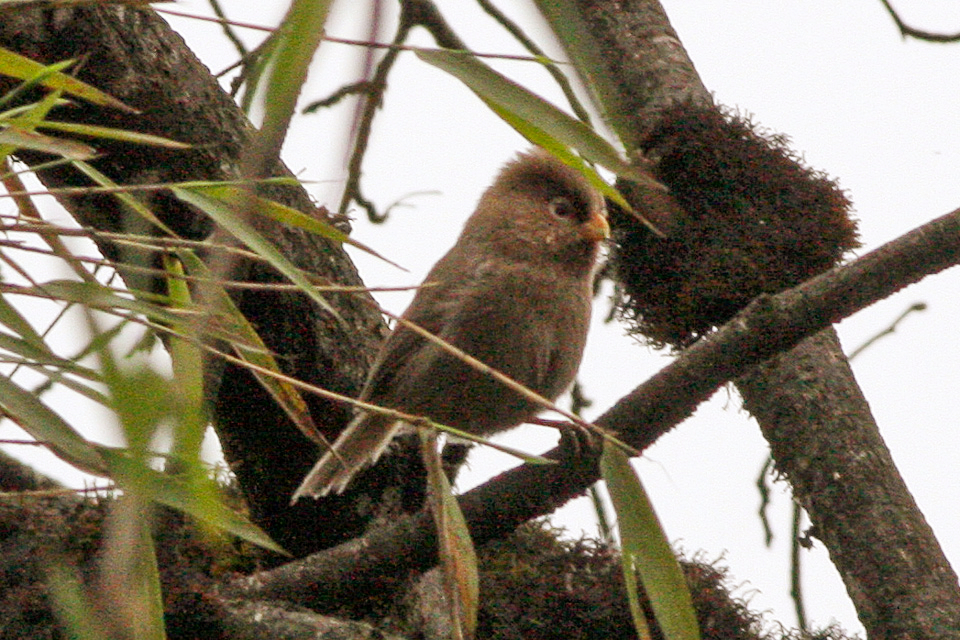
The Philadelphia Vireo presents a challenge in identification due to its close resemblance to other vireo species. Adults typically sport olive-green upperparts and a pale yellow wash on the underparts, more pronounced than that of the similar Red-eyed Vireo. Key field marks include a faint, white supercilium above each eye and dark lores that give it a slightly masked appearance. Juveniles resemble adults but may have less pronounced yellow on their underparts.
Sexual dimorphism is minimal in Philadelphia Vireos, with males and females appearing similar in the field. However, during the breeding season, males may exhibit slightly brighter coloration as they display to attract mates. In flight, this vireo appears compact with a short tail and rounded wings, a silhouette typical of many small songbirds.
The Philadelphia Vireo can be confused with the Warbling Vireo, but it is generally smaller and displays more vibrant yellow underparts. Perched, it often maintains a horizontal posture, moving energetically through foliage as it forages. Observing these subtle differences is critical for birders aiming to accurately identify this species amidst the dense foliage of its preferred habitat.
Having trouble telling birds apart? Upload a photo to our bird identification tool for an instant species match.
Philadelphia Vireo Habitat and Range
Preferred Habitat
The Philadelphia Vireo primarily inhabits deciduous and mixed forests during the breeding season. It shows a preference for areas with a rich understory, providing ample cover and foraging opportunities. In Canada, these birds are frequently found in regions such as the boreal forests of Quebec and Ontario. They inhabit elevations ranging from sea level to about 3,000 feet, adapting to both lowland and montane forest environments.
During migration, the Philadelphia Vireo can be observed in a variety of wooded habitats, including forest edges and riparian zones. This adaptability highlights the species' ability to exploit different environments for food and shelter. Urban habitats are generally avoided, though vagrants may occasionally appear in parks or green spaces within urban areas during migration.
In winter, the Philadelphia Vireo inhabits subtropical forests and scrublands in Central America. Here, they seek out habitats that provide a similar structure to their breeding grounds, ensuring continued access to food and protective cover. These habitat preferences underscore the species' reliance on forested environments throughout its life cycle.
Geographic Range
The breeding range of the Philadelphia Vireo spans across the boreal forests of North America, from the Yukon and British Columbia to Newfoundland and Labrador. It is particularly abundant in regions like Manitoba and Quebec, where suitable forest habitats are widespread. During the breeding season, these birds are localized to specific forested areas, where they establish territories for nesting.
In the fall, the Philadelphia Vireo migrates south through the eastern United States, following corridors along the Appalachian Mountains and the Mississippi River. Migration routes often include stopovers in states such as Ohio and New York, where they rest and refuel before continuing their journey.
Wintering grounds extend into Central America, particularly in countries like Mexico, Belize, and Honduras. Here, they inhabit subtropical forests and scrublands until the return journey north in the spring. Population density hotspots during winter are typically associated with areas that offer abundant food resources and suitable habitat structure, allowing them to thrive in these new environments.
Want to know which birds visit your area? Browse our backyard birds by location guides for region-specific species lists.
What Does the Philadelphia Vireo Eat?
The Philadelphia Vireo primarily feeds on insects, with caterpillars forming a significant portion of its diet during the breeding season. This diet supports the high energy demands of raising young and is sourced from the dense foliage of deciduous trees. They also consume a variety of other insects, including beetles, flies, and ants, which they glean from leaves and branches.
During migration and in their winter habitats, the Philadelphia Vireo's diet diversifies to include more berries and fruits. This dietary shift reflects the seasonal availability of resources, allowing the vireos to exploit different food sources as insects become less abundant. They are known to forage methodically, often seen hopping through branches or hanging upside down to reach their prey.
Foraging techniques are opportunistic and adaptable, with individuals often joining mixed-species flocks during migration. This behavior enhances their foraging efficiency and provides protection from predators, illustrating the vireo's flexible feeding strategies across different environments and seasons.
Philadelphia Vireo Behavior and Social Structure
Philadelphia Vireos exhibit a variety of behaviors that reflect their adaptability and ecological niche. They are primarily solitary or found in pairs during the breeding season, focusing on territory establishment and nest defense. Males sing frequently from perches to advertise their presence and ward off intruders, a behavior particularly noticeable in the dense forests of their breeding range.
Courtship displays include chases and wing-fluttering by the male, enticing the female while reinforcing pair bonds. These displays ensure successful pairing and subsequent breeding. As the breeding season progresses, their focus shifts to rearing young, with both parents involved in feeding and caring for the chicks.
In response to predators, the Philadelphia Vireo relies on cryptic plumage and evasive flight to avoid detection. They may emit alarm calls to alert mates and nearby birds of potential threats. Outside the breeding season, these vireos often join mixed-species flocks, which provide safety in numbers and improved foraging success. Their daily activity patterns revolve around foraging, with peak activity during the morning and late afternoon when insect prey is most accessible.
Philadelphia Vireo Nesting and Reproduction
Philadelphia Vireos construct cup-shaped nests, meticulously woven from grass, bark strips, and spider silk, often lined with soft materials like feathers or plant down. These nests are typically situated in the fork of a tree branch, several meters above the ground, providing protection from ground-based predators and adverse weather conditions.
Preferred nesting locations include deciduous trees such as maples and birches within their boreal forest habitats. The female primarily undertakes nest construction, though the male may assist by providing materials. Once the nest is complete, the female lays a clutch of 3-5 eggs, which she incubates for about 12-14 days.
After hatching, both parents share the responsibility of feeding and protecting the chicks. The young fledge approximately 12-14 days after hatching, though they remain dependent on parental care for a short period thereafter. Philadelphia Vireos typically raise one brood per year, although in favorable conditions, they may attempt a second.
Philadelphia Vireo Sounds and Vocalizations
The song of the Philadelphia Vireo is a series of clear, melodic phrases that bear resemblance to the Red-eyed Vireo’s song but are shorter and less repetitive. This song consists of 2-3 note phrases delivered at a moderate pace, with a sweet, whistling quality. It is used primarily by males to establish territory and attract mates during the breeding season.
Call notes include a sharp 'chip' sound, often used as an alarm call to signal potential danger. Philadelphia Vireos also participate in the dawn chorus, their songs adding to the symphony of sounds that herald the start of a new day in the forest.
The vocalizations of this vireo play a crucial role in communication and territory defense, with variations in pitch and rhythm conveying different messages. For birders, learning to distinguish the Philadelphia Vireo's song from similar species can enhance field identification, especially in dense habitats where visual confirmation is challenging.
Interesting Facts About the Philadelphia Vireo
- 1Despite its name, the Philadelphia Vireo is rarely seen in Philadelphia, instead preferring more northerly habitats.
- 2The Philadelphia Vireo's song is often described as a shortened version of the Red-eyed Vireo's, with a sweeter tone.
- 3In the winter, Philadelphia Vireos expand their diet to include berries, showcasing their adaptability to seasonal changes.
- 4These vireos can be found at elevations up to 3,000 feet, demonstrating their versatility in habitat selection.
- 5Philadelphia Vireos often join mixed-species flocks during migration, benefiting from increased protection and foraging success.
- 6The species is named after the city of Philadelphia because the first specimen was collected near there, despite its rarity in the area.
- 7Philadelphia Vireos contribute to insect control, playing a vital role in maintaining the health of forest ecosystems.
Philadelphia Vireo Conservation Status
The Philadelphia Vireo is classified as Least Concern by the IUCN, with population trends generally stable across its range. Despite this relatively secure status, the species faces threats from habitat loss due to logging and land conversion, particularly in its breeding and wintering grounds. Conservation efforts focus on preserving forest habitats and promoting sustainable forestry practices. Historical population changes have been influenced by shifts in forest management and land use, with some local declines noted in areas where forest cover has decreased significantly. However, the vast expanse of boreal forest across Canada provides a refuge for this species, mitigating the impacts of localized habitat loss. Conservation initiatives, such as the protection of migratory corridors and the management of forested landscapes, are crucial for maintaining healthy populations of the Philadelphia Vireo. Encouragingly, these efforts have contributed to the species' resilience, highlighting the importance of proactive measures in bird conservation.
Other Sylviidae Species



Birds Similar to the Philadelphia Vireo
These species are often confused with the Philadelphia Vireo due to similar appearance or overlapping range.

