
Scrub Greenlet
Hylophilus flavipes
Order: Passeriformes / Family: Vireonidae

Wikimedia Commons
About the Scrub Greenlet
The Scrub Greenlet (Hylophilus flavipes) is a small passerine that belongs to the family Vireonidae. This bird is primarily found in the Neotropics, showcasing a significant presence across a variety of forested regions. The Scrub Greenlet is an integral part of its ecosystem, playing a crucial role in insect control and seed dispersal. Its habitat includes woodlands and scrubs, where it is often observed flitting through the canopy in search of food.
The ecological significance of the Scrub Greenlet is underscored by its role as both a predator and prey within its environment. It helps control insect populations by feeding on various species, thus maintaining a balance in the ecosystem. Additionally, by consuming fruits and subsequently dispersing seeds, this bird contributes to the propagation of plant species, aiding in forest regeneration.
Geographically, the Scrub Greenlet is distributed across several regions in Central and South America. It can be found in countries such as Colombia, Venezuela, and Trinidad and Tobago, where it inhabits lowland and foothill forests. This bird is adaptable and thrives in secondary growth and edge habitats, often seen in mixed-species flocks. Despite its relatively small size, the Scrub Greenlet exhibits a robust presence during the breeding season, becoming more vocal and active.
Seasonally, the behavior of the Scrub Greenlet changes as it adjusts to variations in food availability and environmental conditions. During the breeding season, which typically occurs in the wetter months, the bird becomes more territorial and vocal. Outside of the breeding period, it may join mixed-species flocks to improve foraging efficiency and decrease predation risk. This seasonal adaptability highlights the bird's resilience and its capacity to thrive in changing environments.
The Scrub Greenlet belongs to the family Vireonidae, within the order Passeriformes. These birds typically live average 4-6 years with a maximum of 8 years recorded..
How to Identify a Scrub Greenlet
Adult Scrub Greenlets exhibit a predominantly olive-green plumage on their backs, a key identifying feature. Their underparts are yellowish, providing a stark contrast to the darker upperparts. The crown is generally a slightly darker shade of olive, while a subtle grayish tone can be seen around the face. They possess a short, stout bill adapted for their diet of insects and fruits.
Juvenile Scrub Greenlets appear similar to adults but may have a slightly duller coloration and less defined contrast between the upper and lower body. In terms of sexual dimorphism, males and females look alike, making visual differentiation in the field challenging. Observers must rely on behavioral cues during the breeding season to identify genders, such as courtship behaviors and nesting roles.
The Scrub Greenlet can be confused with similar species such as the Warbling Vireo and the Red-eyed Vireo due to their overlapping ranges and habitats. However, the Scrub Greenlet can be distinguished by its smaller size and lack of prominent eye stripes. When perched, it often adopts a horizontal posture, making it easier to spot among foliage. In flight, it exhibits a rapid, fluttery wingbeat, which can help differentiate it from other vireos.
Having trouble telling birds apart? Upload a photo to our bird identification tool for an instant species match.
Scrub Greenlet Habitat and Range
Preferred Habitat
The Scrub Greenlet primarily inhabits tropical and subtropical forests, favoring areas with dense shrubbery and canopy cover. It is frequently found in secondary growth forests, which offer abundant food resources and nesting sites. The bird is commonly observed at elevations ranging from sea level to approximately 1,500 meters, though it may venture higher in some regions.
These birds exhibit some degree of habitat flexibility, often inhabiting forest edges and disturbed areas, which can provide optimal conditions for foraging. While they are primarily associated with rural and forested environments, Scrub Greenlets can sometimes be seen in urban green spaces, especially in regions where natural habitats interface with human developments.
Seasonal habitat shifts are minor, as the Scrub Greenlet is a non-migratory species, maintaining a relatively stable presence within its range throughout the year. This consistency in habitat use underscores the bird's adaptability and resilience, allowing it to persist even as environmental conditions change.
Geographic Range
The Scrub Greenlet's range is primarily concentrated in the northern parts of South America and parts of Central America. It is commonly found in Colombia, Venezuela, and Trinidad and Tobago, where the bird occupies lowland forests. The Scrub Greenlet is also present in parts of Panama and Costa Rica, where it inhabits similar forested environments.
This species does not undertake long migratory journeys, remaining within its established range year-round. Its non-migratory nature contributes to its stable presence in these regions, where it can be found in both pristine and altered habitats.
Population density tends to be highest in areas with abundant food resources and suitable nesting sites. These hotspots include forested regions with extensive undergrowth, which provide ample opportunities for feeding and breeding. While the Scrub Greenlet's range is relatively limited compared to some other bird species, its adaptability allows it to thrive in a variety of environments within its established territories.
Want to know which birds visit your area? Browse our backyard birds by location guides for region-specific species lists.
What Does the Scrub Greenlet Eat?
The Scrub Greenlet's diet is primarily insectivorous, with a preference for small arthropods such as beetles, caterpillars, and spiders. Throughout the year, insects constitute the majority of its diet, providing essential nutrients for survival and reproduction.
In addition to insects, the Scrub Greenlet also consumes fruits, particularly during periods of insect scarcity. This dietary flexibility allows the bird to adapt to seasonal changes in food availability, maintaining its nutritional balance throughout the year. The fruit component of its diet includes small berries and seeds from various forest plants.
Foraging techniques involve active searching among leaves and branches, where the Scrub Greenlet employs its sharp eyesight and quick movements to capture prey. The bird often joins mixed-species flocks, benefiting from the collective vigilance and increased foraging efficiency. Feeding typically occurs during daylight hours, with peaks in activity in the morning and late afternoon when insects are most active.
Scrub Greenlet Behavior and Social Structure
Scrub Greenlets exhibit a range of fascinating behaviors, particularly in social and breeding contexts. They are generally social creatures, often seen foraging in pairs or small family groups. During non-breeding seasons, they frequently join mixed-species flocks, which offers increased protection from predators and enhanced foraging success.
These birds are territorial, especially during the breeding season. Males establish and defend territories through vocalizations and displays, ensuring exclusive access to resources for their mates and offspring. Courtship displays in Scrub Greenlets involve a series of calls and physical posturing, which facilitate pair bonding and successful mating.
Flocking patterns change with the seasons, as Scrub Greenlets join larger groups in the non-breeding months to maximize foraging opportunities and minimize predation risk. Their response to predators includes alarm calls and evasive flights, often seeking cover in dense foliage. Daily activity patterns are diurnal, with peaks during the cooler parts of the day when foraging efficiency is highest.
Scrub Greenlet Nesting and Reproduction
Scrub Greenlets construct small, cup-shaped nests primarily from plant fibers and spider silk. The nests are usually located in the forks of tree branches, often several meters above the ground to avoid ground predators. The nesting season typically aligns with the rainy season, which offers abundant food resources for raising young.
A typical clutch consists of 2 to 3 eggs, which are incubated by both parents for about 12 to 14 days. The eggs are generally whitish with speckles, providing some camouflage against predators. Parental roles are shared, with both male and female participating in feeding and caring for the young.
Fledging occurs approximately 10 to 12 days after hatching, though fledglings remain dependent on their parents for several weeks afterwards. Scrub Greenlets typically raise one to two broods per year, depending on food availability and environmental conditions. The investment in brooding is considerable, with both parents actively involved in the nurturing and protection of their offspring.
Scrub Greenlet Sounds and Vocalizations
The vocalizations of the Scrub Greenlet are distinctive, featuring a series of melodious whistles and short phrases. The primary song is a repeated, slightly descending sequence, often described as 'chee-chee-chee'. This song serves both territorial and mate-attraction functions.
In addition to the primary song, the Scrub Greenlet emits various call notes, including sharp 'chip' sounds used for communication within flocks. Alarm calls are more rapid and harsh, intended to alert other birds to the presence of predators.
During the dawn chorus, Scrub Greenlets join other songbirds in creating a vibrant soundscape, their voices mingling with those of other species. The quality and rhythm of their song make it a key identifier for birders, easily distinguishable from other forest-dwelling species.
Interesting Facts About the Scrub Greenlet
- 1The Scrub Greenlet can consume up to 50% of its body weight in insects daily, showcasing its vital role in pest control.
- 2Despite its small size, the Scrub Greenlet's territory can span up to one hectare, which it vigorously defends during breeding season.
- 3The song of the Scrub Greenlet is one of the most recognizable in its range, often used as a key cue for identifying mixed-species flocks.
- 4Scrub Greenlets can be found at elevations up to 1,500 meters, demonstrating their adaptability to a range of altitudinal habitats.
- 5Their nests, often built with spider silk, demonstrate a unique adaptation, providing both flexibility and strength.
- 6The Scrub Greenlet's diet shifts seasonally, reflecting its ability to adapt to changing environmental conditions and food availability.
- 7Unlike many birds, the Scrub Greenlet shows little sexual dimorphism, making male and female birds nearly indistinguishable in the field.
Scrub Greenlet Conservation Status
According to the IUCN Red List, the Scrub Greenlet is currently listed as a species of Least Concern. Its population trend appears stable, with no immediate threats causing significant declines. However, habitat loss due to deforestation and land conversion poses a potential future risk. Conservation efforts focus on preserving natural habitats and promoting sustainable land-use practices. Protecting forested areas ensures the continued availability of resources for the Scrub Greenlet and other forest-dependent species. Historically, the population of the Scrub Greenlet has remained relatively stable, benefiting from its adaptability to various forest conditions. Continued monitoring and habitat protection are essential to maintaining this stability in the face of ongoing environmental changes.
Other Vireonidae Species


Birds Similar to the Scrub Greenlet
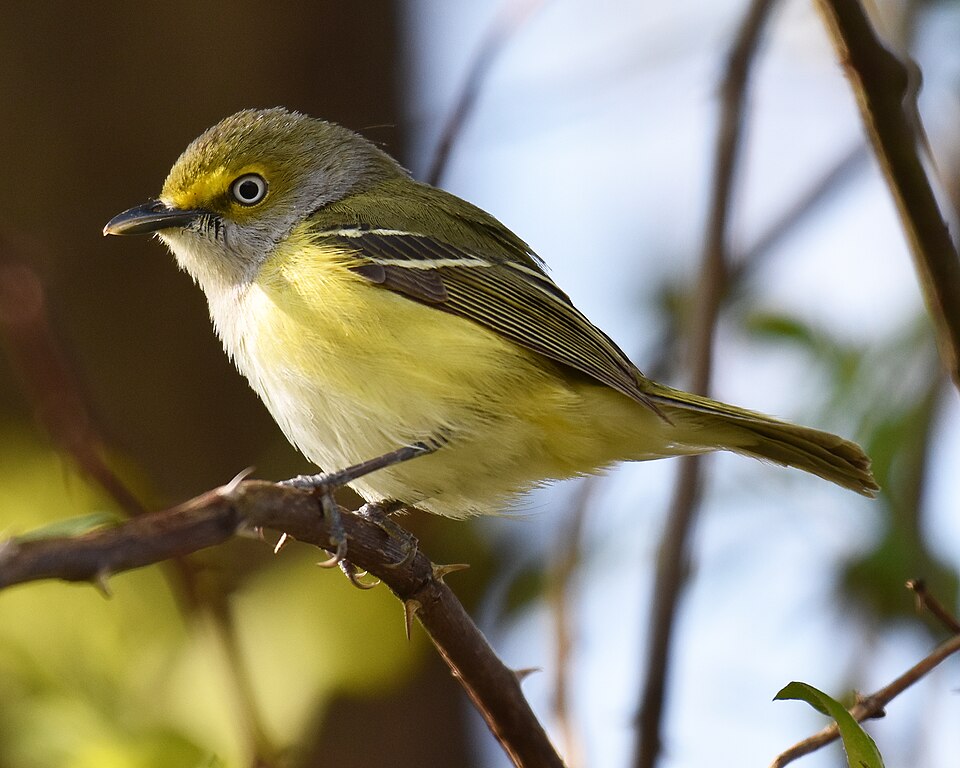
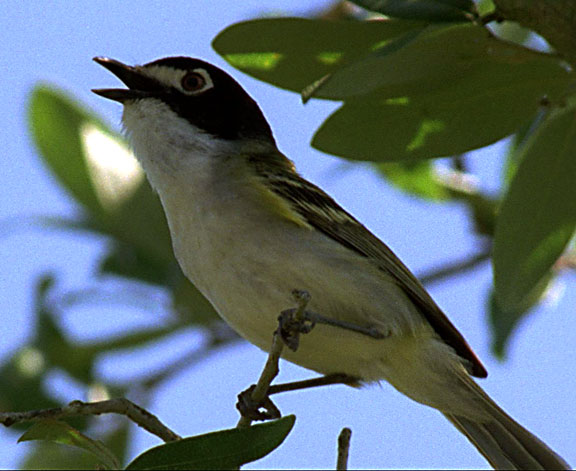
These species are often confused with the Scrub Greenlet due to similar appearance or overlapping range.

