
Tawny-crowned Greenlet
Hylophilus ochraceiceps
Order: Passeriformes / Family: Vireonidae

Wikimedia Commons
About the Tawny-crowned Greenlet
The Tawny-crowned Greenlet (Hylophilus ochraceiceps) is a notable member of the family Vireonidae, characterized by its vibrant plumage and melodious song. This small songbird inhabits the dense undergrowth of tropical forests across Central and South America, ranging from southern Mexico through the Amazon Basin. Its preference for humid forest environments, including lowland rainforests and deciduous forests, highlights its role in these rich ecosystems. The Tawny-crowned Greenlet contributes significantly to its ecological community by aiding in seed dispersal and controlling insect populations, vital for maintaining forest health. During the breeding season, which typically spans from March to July, these birds become more vocal, marking their territories with song while actively engaging in courtship displays. Outside the breeding season, Tawny-crowned Greenlets are less conspicuous, often traveling in mixed-species flocks. This behavior not only reduces predation risk but also enhances foraging efficiency as they navigate their complex forest habitats. Despite their elusive nature, these birds are crucial indicators of forest health, signaling the richness and diversity of their habitats.
The Tawny-crowned Greenlet belongs to the family Vireonidae, within the order Passeriformes. These birds typically live typically 4-6 years in the wild..
How to Identify a Tawny-crowned Greenlet
The Tawny-crowned Greenlet is a small bird, approximately 12 cm in length, with a distinctive tawny crown that makes it easily recognizable. Its upperparts are primarily olive-green, blending seamlessly with the forest canopy, while its underparts are a lighter, more subdued cream color. Juveniles resemble adults but may exhibit a paler crown and less defined plumage patterns. Males and females are similar in appearance, making gender differentiation challenging without close observation. The Tawny-crowned Greenlet's song and behavior are more reliable identifiers than plumage alone. In flight, they display a compact silhouette with rounded wings and a slightly notched tail. Perched, the greenlet often maintains an upright posture, facilitating its vigilance against potential threats. The bird's overall coloration helps distinguish it from similar species, such as the closely related White-eyed Vireo, which lacks the distinctive tawny crown.
Having trouble telling birds apart? Upload a photo to our bird identification tool for an instant species match.
Tawny-crowned Greenlet Habitat and Range
Preferred Habitat
Tawny-crowned Greenlets thrive in diverse forest habitats, predominantly within humid lowland rainforests and secondary growth forests. They are typically found at elevations up to 1,500 meters. These birds prefer forest edges and dense understory, where they forage and nest. Seasonal habitat shifts are minimal, but they may temporarily exploit forest fragments and clearings during non-breeding seasons. While primarily forest dwellers, they occasionally venture into adjacent rural areas, especially where natural habitats border agricultural land. Urban presence is rare, as they rely heavily on intact forest ecosystems for survival.
Geographic Range
The Tawny-crowned Greenlet's range extends across much of Central and South America. It breeds in regions from southern Mexico to western Ecuador and throughout the Amazon Basin, including Colombia, Venezuela, and Brazil. This species is largely sedentary, with no significant migratory movements. However, localized movements may occur in response to food availability and seasonal changes. Population density tends to be higher in undisturbed forest regions, with notable hotspots in the Amazon rainforest and the Chocó-Darién region.
Want to know which birds visit your area? Browse our backyard birds by location guides for region-specific species lists.
What Does the Tawny-crowned Greenlet Eat?
The diet of the Tawny-crowned Greenlet is primarily insectivorous, focusing on small insects such as caterpillars, beetles, and spiders. During the breeding season, the greenlet's diet shifts slightly to include more protein-rich prey, supporting the energy demands of reproduction. Foraging techniques involve gleaning insects from foliage or snatching them mid-flight. Occasionally, they supplement their diet with fruits and seeds, aiding in seed dispersal. Feeding occurs throughout the day, with peaks during early morning and late afternoon, corresponding with increased insect activity.
Tawny-crowned Greenlet Behavior and Social Structure
Tawny-crowned Greenlets exhibit a complex social structure, often participating in mixed-species flocks outside the breeding season. This behavior enhances foraging efficiency and reduces predation risk. They are territorial during the breeding season, with males singing persistently to defend their territory and attract mates. Courtship displays involve vocalizations and mutual preening. While generally solitary or paired during breeding, they become more communal during other times, showing adaptability in social interactions. In response to predators, they employ alarm calls and evasive maneuvers, showcasing their agility and alertness. Daily activity patterns revolve around foraging, with periods of rest during midday heat.
Tawny-crowned Greenlet Nesting and Reproduction
The Tawny-crowned Greenlet constructs small, cup-shaped nests using twigs, leaves, and spider silk, often situated in the fork of a tree branch within dense foliage. These nests are typically located 1 to 5 meters above ground, providing protection from ground-based predators. The typical clutch size ranges from 2 to 3 eggs, with an incubation period of approximately 13 to 15 days. Both parents share incubation duties, although the female usually takes the lead. After hatching, the chicks fledge in about 11 to 14 days, with parental care continuing for several weeks post-fledging. The species generally raises one or two broods per year, depending on environmental conditions.
Tawny-crowned Greenlet Sounds and Vocalizations
The Tawny-crowned Greenlet's primary song consists of a series of melodious, clear notes delivered in quick succession. The rhythm is fast-paced, with a slightly ascending pitch, making it a pleasant and recognizable forest sound. Call notes are softer and include short chirps and whistles used for communication between mates and flock members. Alarm calls are more abrupt and harsher, designed to alert others to potential danger. During the dawn chorus, these birds contribute to the vibrant symphony of forest sounds, their song carrying over considerable distances.
Interesting Facts About the Tawny-crowned Greenlet
- 1The Tawny-crowned Greenlet's song is so melodious that it often blends into the complex forest soundscape, making it a favorite among bird listeners.
- 2Despite their bright plumage, Tawny-crowned Greenlets are often hard to spot due to their preference for dense forest understory.
- 3These birds participate in mixed-species flocks, which can include over 20 different bird species, showcasing their social adaptability.
- 4Tawny-crowned Greenlets can consume a wide variety of insects, playing a crucial role in controlling pest populations within their habitats.
- 5They are one of the few bird species that use spider silk in their nest construction, highlighting their resourcefulness.
- 6Although primarily insectivorous, they sometimes eat small fruits, contributing to seed dispersal in their forest ecosystems.
- 7The Tawny-crowned Greenlet's nesting period aligns with the rainy season, ensuring a plentiful supply of insects for feeding their young.
Tawny-crowned Greenlet Conservation Status
Currently, the Tawny-crowned Greenlet is classified as Least Concern by the IUCN, with a stable population trend. However, habitat loss due to deforestation poses a significant threat to their long-term survival. Conservation efforts focus on preserving large tracts of tropical forest and promoting sustainable land-use practices. Historical population changes are minimal, with the species maintaining stable numbers where forest habitats remain intact. Continued conservation efforts are essential to ensure their continued presence in these ecosystems.
Other Vireonidae Species
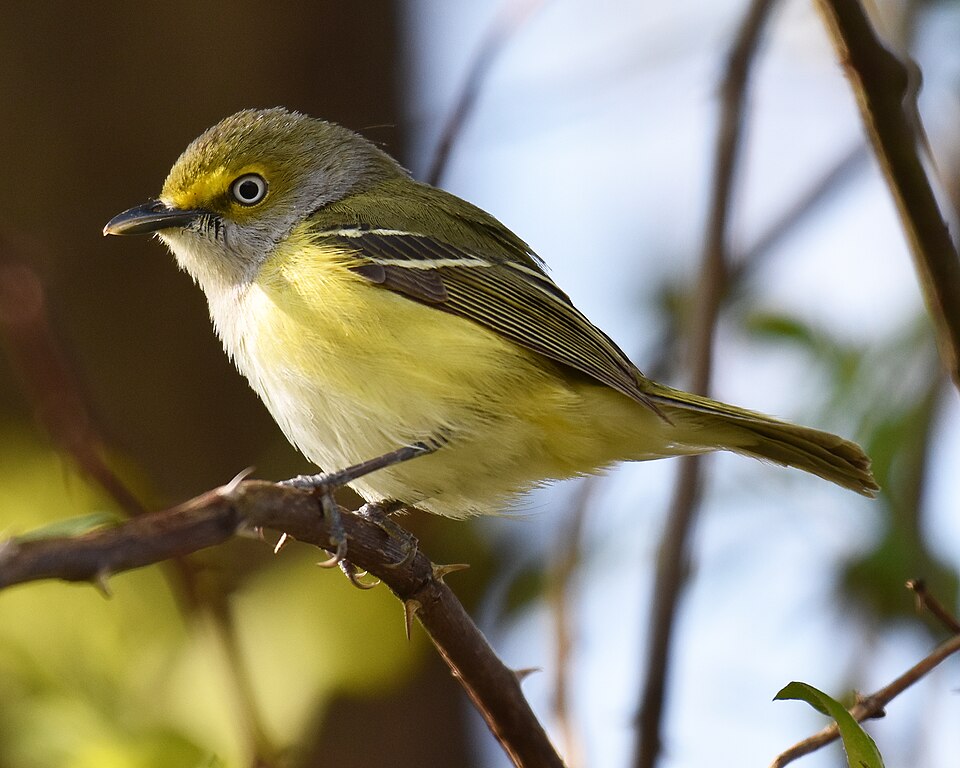

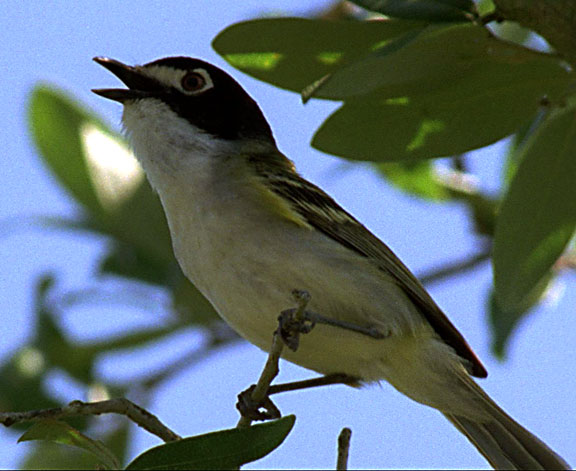

Birds Similar to the Tawny-crowned Greenlet
These species are often confused with the Tawny-crowned Greenlet due to similar appearance or overlapping range.

