
Tobago Greenlet
Hylophilus insularis
Order: Passeriformes / Family: Vireonidae
About the Tobago Greenlet
The Tobago Greenlet (Hylophilus insularis) is a captivating avian species endemic to the island of Tobago, located in the southeastern Caribbean. As a member of the Vireonidae family, this bird plays an essential role in maintaining the ecological balance of its native habitats. Known for its striking olive-green feathers, the Tobago Greenlet is a prominent figure in the island's lush forests, where it contributes to the ecosystem by aiding in seed dispersal and insect population control.
This species thrives in the island's tropical climate, favoring the dense canopies of lowland and montane forests. The Tobago Greenlet's presence is often detected by its distinct and melodious song, which resonates through the foliage. Beyond its aesthetic and acoustic contributions, the bird serves as an indicator of forest health, with its population trends reflecting changes in biodiversity and habitat integrity.
The Tobago Greenlet's ecological significance extends to its interactions with other species. By consuming a variety of insects and fruits, it helps to control pest populations while simultaneously assisting in the pollination and dispersal of native plant species. This dual role underscores the bird's importance in sustaining the delicate balance of Tobago's ecosystems. During the wet season, the Greenlet becomes more active in its foraging and nesting behaviors, capitalizing on the abundance of resources.
Seasonal variations in behavior include subtle shifts in diet and territory size, as the bird adapts to the fluctuating availability of food and nesting sites. These adaptive strategies highlight the species' resilience and its capacity to thrive in changing environmental conditions, making the Tobago Greenlet a fascinating subject of study for ornithologists and ecologists alike.
The Tobago Greenlet belongs to the family Vireonidae, within the order Passeriformes. These birds typically live typically 3-5 years in the wild, with a maximum recorded lifespan of around 7 years..
How to Identify a Tobago Greenlet
The Tobago Greenlet presents a vibrant olive-green plumage that makes it relatively easy to identify in its native forest habitats. Adults exhibit a uniform coloration across the back and wings, with a slightly lighter underside that contrasts subtly with its more vivid upperparts. The bird's head features a faint grayish wash, while its eyes are highlighted by a white eye ring, enhancing its expressive appearance.
Juvenile individuals bear a close resemblance to adults but may display slightly duller tones and a less pronounced eye ring. In terms of sexual dimorphism, males and females appear similar, making visual gender differentiation challenging for casual observers. However, closer inspection during the breeding season may reveal subtle behavioral cues related to nesting activities.
In flight, the Tobago Greenlet's compact, agile profile is characterized by rapid wingbeats and a buoyant, undulating trajectory. When perched, it often adopts an upright posture, occasionally flicking its tail or wings, a characteristic behavior of many vireos. This species is sometimes confused with other small greenish birds, such as the Green Hermit or certain warbler species, but its distinctive song and overall morphology help in accurate identification.
Having trouble telling birds apart? Upload a photo to our bird identification tool for an instant species match.
Tobago Greenlet Habitat and Range
Preferred Habitat
The Tobago Greenlet is predominantly found in the tropical forests of Tobago, which provide the dense canopy cover and rich biodiversity essential for its survival. These habitats range from lowland coastal forests to higher elevation montane regions, where the bird seeks out dense foliage for foraging and nesting.
The species exhibits a preference for undisturbed primary forests but can also adapt to secondary growth areas, provided that sufficient tree cover remains. During the dry season, the Greenlet is more commonly observed in areas with abundant fruit-bearing trees, which offer both sustenance and shelter.
While primarily a forest dweller, the Tobago Greenlet occasionally ventures into more open areas adjacent to forest edges, particularly when foraging. Its presence in urban environments is rare, as it tends to avoid heavily modified landscapes, underscoring the importance of forest conservation in maintaining its populations.
Geographic Range
The Tobago Greenlet is a resident species, confined to the island of Tobago. Its range does not extend to mainland South America or neighboring islands, making it a true island endemic. Within Tobago, the Greenlet inhabits a variety of forested areas, from lowland regions near the coast to the island's central mountainous terrain.
Due to its limited range, the Tobago Greenlet is vulnerable to habitat changes and deforestation. Population density is highest in protected areas such as the Main Ridge Forest Reserve, where conservation efforts have helped safeguard the bird's natural environment.
Unlike many other bird species, the Tobago Greenlet does not engage in long-distance migration. Instead, it remains within its established territory throughout the year, exhibiting only minor local movements in response to seasonal variations in food availability and environmental conditions.
Want to know which birds visit your area? Browse our backyard birds by location guides for region-specific species lists.
What Does the Tobago Greenlet Eat?
The diet of the Tobago Greenlet is chiefly insectivorous, with a significant portion of its intake comprised of small arthropods such as caterpillars, beetles, and spiders. This preference for insects plays a crucial role in controlling pest populations within its native habitats.
In addition to insects, the Greenlet supplements its diet with a variety of fruits and berries, particularly during the wet season when these resources are more plentiful. This dietary shift not only provides the bird with essential nutrients but also aids in seed dispersal for many plant species.
Foraging typically occurs in the mid to upper canopy, where the Greenlet employs a mix of gleaning and hover-gleaning techniques to capture prey. Its feeding schedule is diurnal, with peak activity during the cooler morning and late afternoon hours, aligning with periods of heightened insect activity.
Tobago Greenlet Behavior and Social Structure
The Tobago Greenlet exhibits a primarily solitary lifestyle, though it may occasionally join mixed-species flocks during foraging activities. Such associations enhance its ability to locate food and may offer additional protection from predators.
Territorial behavior is most pronounced during the breeding season, with males vigorously defending their chosen nesting sites through vocal displays and physical presence. Courtship involves subtle displays, including song duets and mutual preening, which strengthen pair bonds.
The Tobago Greenlet is diurnal, with peak activity occurring during the cooler parts of the day. It exhibits a characteristic curiosity, often investigating new objects or sounds within its territory. In response to threats, the Greenlet may emit sharp alarm calls and engage in mobbing behavior, particularly when faced with avian predators such as hawks or owls.
Tobago Greenlet Nesting and Reproduction
The nesting habits of the Tobago Greenlet are representative of the Vireonidae family, with a preference for constructing cup-shaped nests. These are typically situated in the fork of a branch, well-concealed by dense foliage to protect against predators and environmental elements.
Nests are crafted from a variety of materials, including grass, leaves, and spider silk, which bind the structure together. The average clutch size ranges from two to three eggs, with both parents sharing responsibilities for incubation, which lasts approximately 12 to 14 days.
After hatching, chicks remain in the nest for an additional 10 to 12 days before fledging. During this period, both parents actively provide food and protection. The Tobago Greenlet typically raises one brood per year, though favorable conditions may occasionally permit a second.
Tobago Greenlet Sounds and Vocalizations
The primary song of the Tobago Greenlet is a series of melodious, flute-like notes, delivered in a deliberate and rhythmic sequence. This song serves as both a territorial marker and a courtship tool, advertising the bird's presence to rivals and potential mates.
In addition to its song, the Greenlet produces a variety of call notes, including sharp, staccato chips used in alarm situations. These calls alert nearby birds to potential danger, facilitating a collective defense response.
During the dawn chorus, the Tobago Greenlet's song blends harmoniously with the vocalizations of other forest inhabitants, contributing to the vibrant avian soundscape that characterizes its tropical environment.
Interesting Facts About the Tobago Greenlet
- 1The Tobago Greenlet is one of only a handful of bird species endemic to Tobago, highlighting the island's unique biodiversity.
- 2Despite its small size, the Tobago Greenlet can produce a surprisingly loud and complex song, audible over considerable distances.
- 3This species often participates in mixed-species foraging flocks, a strategy that enhances its feeding efficiency and predator awareness.
- 4The Tobago Greenlet's nest construction incorporates spider silk, which acts as a natural adhesive, holding the nest securely together.
- 5While generally solitary, the Tobago Greenlet becomes more social during the breeding season, forming pair bonds that facilitate cooperative breeding efforts.
Tobago Greenlet Conservation Status
The Tobago Greenlet is currently listed as a species of Least Concern by the IUCN, reflecting its stable population within its restricted range. However, ongoing threats such as habitat destruction and fragmentation pose significant challenges to its long-term survival. Efforts to conserve the Tobago Greenlet focus on preserving and restoring its native forest habitats. Protected areas like the Main Ridge Forest Reserve play a vital role in safeguarding these environments and the species that depend on them. Historical population trends have remained relatively stable, but continuous monitoring is necessary to ensure that emerging threats, such as climate change and invasive species, do not adversely affect the Greenlet's future prospects.
Other Vireonidae Species
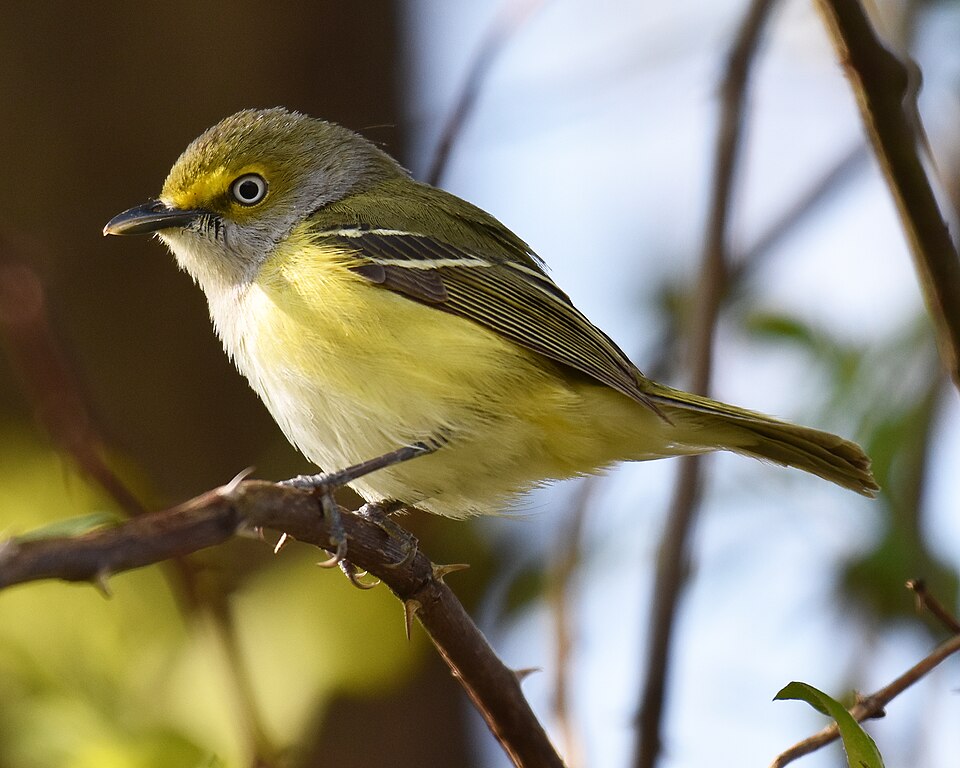

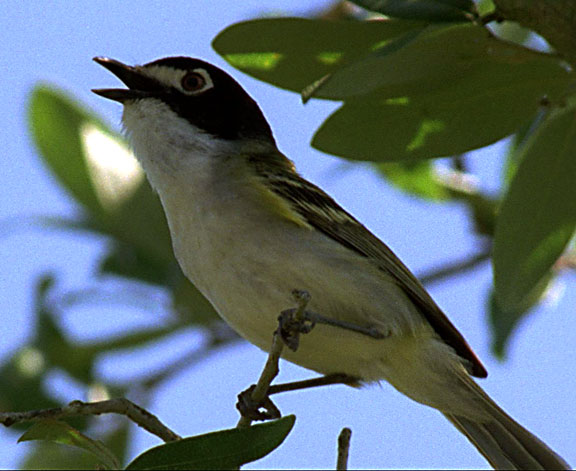

Birds Similar to the Tobago Greenlet
These species are often confused with the Tobago Greenlet due to similar appearance or overlapping range.

