
Alpine Pipit
Anthus gutturalis
Order: Passeriformes / Family: Motacillidae
Wikimedia Commons
About the Alpine Pipit
The Alpine Pipit, Anthus gutturalis, is a fascinating bird species that thrives in high-altitude regions, predominantly in the mountainous terrains of Central Asia. This small passerine plays a significant ecological role in its environment, serving as both predator and prey. The Alpine Pipit is notably adapted to life above the treeline, where it occupies open terrains with sparse vegetation. Its presence is a marker of pristine alpine ecosystems, where it contributes to insect population control. The species' ability to withstand harsh climates and thin air makes it a remarkable example of avian adaptation.
The Alpine Pipit's range extends across the Pamirs, Tian Shan, and Hindu Kush mountains, where it is a resident breeder. During the breeding season, the bird engages in ground-foraging activities, flitting about in search of insects and small invertebrates that form the bulk of its diet. In winter, the Alpine Pipit may descend to lower elevations, although it largely remains within mountainous areas. This seasonal altitudinal migration is driven by the need to access unfrozen ground and continue feeding.
The ecological significance of the Alpine Pipit cannot be overstated. It acts as an indicator species for environmental health within its range. A decline in its population could suggest broader ecological issues, such as habitat degradation or climate change impacts. Furthermore, the Alpine Pipit plays a role in seed dispersion and nutrient cycling, given its diet and foraging habits. As a vital link in the food web, it also provides sustenance for avian and mammalian predators, highlighting its integral position in its habitat.
The Alpine Pipit belongs to the family Motacillidae, within the order Passeriformes. These birds typically live average 4-6 years with a max recorded of 8 years..
How to Identify a Alpine Pipit
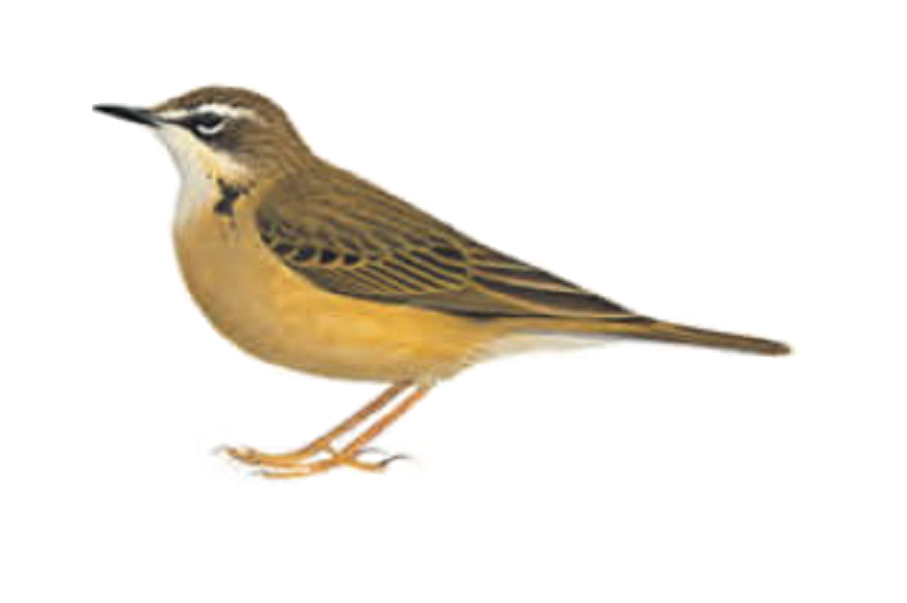
The Alpine Pipit is a small songbird, typically measuring around 15 to 17 centimeters in length. Its plumage is primarily brown with darker streaks along the back and crown, providing excellent camouflage against rocky terrain. The bird's underparts are paler, often exhibiting a buff or whitish hue with fine streaking on the breast. This streaking can help differentiate it from similar pipit species. Juvenile Alpine Pipits are generally duller, with more pronounced streaking throughout their plumage.
In terms of sexual dimorphism, male and female Alpine Pipits are similar in appearance, making them difficult to distinguish in the field. The subtle differences between the sexes often necessitate close observation or, in some cases, capture for precise identification. The Alpine Pipit's flight silhouette is characterized by a slim, elongated body and a relatively long, narrow tail, typical of the pipit family. When perched, it often adopts an upright posture, showcasing its streamlined form.
Confusion with other pipit species, such as the Meadow Pipit or the Water Pipit, is possible. However, the Alpine Pipit's preference for high-altitude habitats and specific vocalizations can aid in correct identification. Observers should note its distinctive call and behavior, which often include short, flitting flights interspersed with periods of ground-foraging activity.
Having trouble telling birds apart? Upload a photo to our bird identification tool for an instant species match.
Alpine Pipit Habitat and Range
Preferred Habitat
The Alpine Pipit inhabits high-altitude regions, favoring open, rocky terrains with sparse vegetation. These areas are typically found above the treeline, where grasses, sedges, and dwarf shrubs dominate. Elevations of 2,500 to 4,000 meters are common for this species, although it can be found at lower elevations during winter. In summer, the Alpine Pipit occupies alpine meadows and scree slopes, where it exploits the abundance of insects and other invertebrates.
During colder months, the bird may descend to montane forests or subalpine zones to escape harsh weather conditions. Despite these seasonal movements, the Alpine Pipit remains closely tied to mountain environments, seldom venturing into urban or heavily forested areas. Its presence in such rugged habitats underscores its specialized adaptations and resilience, making it a species of interest for ornithologists and naturalists alike.
Geographic Range
The Alpine Pipit's range is largely confined to Central Asia, where it breeds across the mountainous regions of the Pamirs, Tian Shan, and Hindu Kush. Countries such as Tajikistan, Kyrgyzstan, and Afghanistan host significant populations during the breeding season. The bird's preferred breeding habitats are above the treeline, where it occupies alpine meadows and rocky slopes.
In winter, the Alpine Pipit may undertake altitudinal migrations, descending to lower elevations within its range. Such movements allow the bird to access unfrozen ground and sustain itself throughout the colder months. Despite these migrations, the species rarely strays far from its core mountain habitats, making it a resident rather than a long-distance migrant. Population density is typically higher in regions with extensive alpine meadows, where the species can find ample food and suitable nesting sites.
Want to know which birds visit your area? Browse our backyard birds by location guides for region-specific species lists.
What Does the Alpine Pipit Eat?
The Alpine Pipit's diet consists primarily of insects and other small invertebrates, which it captures through a combination of ground-foraging and short flights. During the breeding season, the bird focuses heavily on protein-rich prey such as beetles, caterpillars, and grasshoppers. This nutrient intake is crucial for chick development and parental energy demands.
As the seasons change, the Alpine Pipit may adjust its diet to include seeds and plant material, especially during times when insect abundance declines. The bird's foraging technique involves walking or running along the ground, occasionally hopping or fluttering to flush out hidden prey. The Alpine Pipit typically feeds during the day, taking advantage of the warmer temperatures and increased insect activity. Prey size varies but generally includes small to medium-sized insects, ensuring efficient energy intake for this active species.
Alpine Pipit Behavior and Social Structure
The Alpine Pipit exhibits a range of behaviors suited to its mountainous environment. It often operates as a solitary bird or within small family groups, especially outside the breeding season. Territorial behavior is pronounced during the breeding season, with males establishing and defending territories through song and display flights. These displays involve short, undulating flights with bursts of song, serving both to attract mates and deter rivals.
Courtship involves a series of aerial displays and ground-based pursuits, with males showcasing their agility and stamina. Once paired, the Alpine Pipit becomes more secretive, focusing on nesting and rearing young. Flocking behavior is typically observed during migration or in winter, when birds may form loose associations to exploit food resources.
Predator response includes alarm calls and distraction displays, where the bird feigns injury to lure threats away from nests. Daily activity patterns involve periods of intense foraging interspersed with rest and preening, reflecting the energy demands of life at high altitudes.
Alpine Pipit Nesting and Reproduction
The Alpine Pipit constructs a cup-shaped nest, typically hidden among rocks or dense vegetation to protect against predators and harsh weather. Nests are composed of grasses, moss, and fine twigs, lined with softer materials such as feathers and animal hair. The choice of nesting site often reflects the need for concealment and proximity to food sources.
Clutch size ranges from three to five eggs, with incubation lasting approximately 12 to 14 days. Both parents share incubation duties, although the female may take on a more prominent role. Once hatched, chicks are altricial, requiring significant parental investment for feeding and protection. Fledging occurs around 14 to 16 days post-hatching, at which point young pipits begin to explore their environment under parental supervision. The Alpine Pipit typically raises one to two broods per year, depending on environmental conditions and food availability.
Alpine Pipit Sounds and Vocalizations
The Alpine Pipit's primary song is a series of high-pitched, melodic notes, delivered in a cascading sequence. The rhythm is rapid, with a lively quality that resonates across its alpine habitats. Call notes are short and sharp, often used in communication between mates or to signal alarm. Alarm calls are more urgent, serving as warnings to conspecifics about potential threats.
During the dawn chorus, the Alpine Pipit's song can be heard echoing through mountain valleys, adding to the natural symphony of its environment. The song's lively and fluid nature distinguishes it from the more repetitive calls of other pipit species, offering a unique acoustic signature for birders and researchers alike.
Interesting Facts About the Alpine Pipit
- 1The Alpine Pipit can thrive at elevations up to 4,000 meters, exhibiting remarkable adaptations for high-altitude life.
- 2Despite its small size, the Alpine Pipit plays a crucial role in insect control, consuming hundreds of insects daily during breeding season.
- 3The Alpine Pipit's song is a distinctive feature of the dawn chorus in its mountainous habitats, often heard long before the bird is seen.
- 4This species exhibits altitudinal migrations, moving to lower elevations in winter to avoid snow-covered ground and access food.
- 5The Alpine Pipit's camouflaged plumage is an adaptation to its rocky habitat, making it challenging to spot against a backdrop of stones and grass.
Alpine Pipit Conservation Status
The IUCN currently lists the Alpine Pipit as a species of Least Concern, reflecting its stable population and extensive range. However, the bird faces potential threats from habitat loss and climate change, which could alter its alpine environments. Conservation efforts focus on habitat protection, ensuring that mountainous regions remain undisturbed and capable of supporting diverse wildlife. While historical population data is limited, the Alpine Pipit appears to have maintained a relatively stable presence in its core range. Ongoing monitoring and research are crucial to detect any future changes in population dynamics, particularly in response to environmental pressures.
Other Motacillidae Species



Birds Similar to the Alpine Pipit
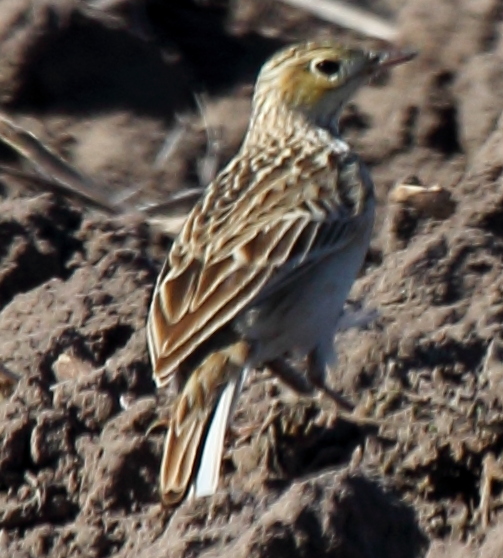
These species are often confused with the Alpine Pipit due to similar appearance or overlapping range.

